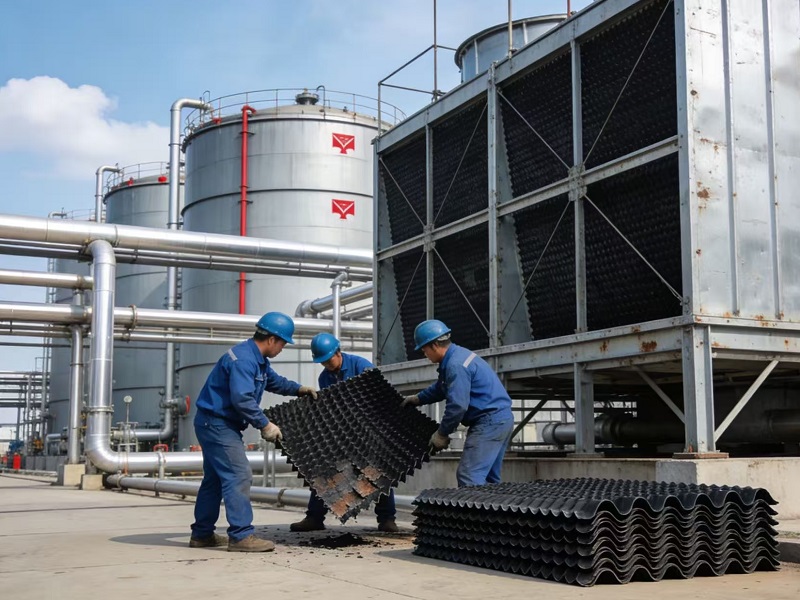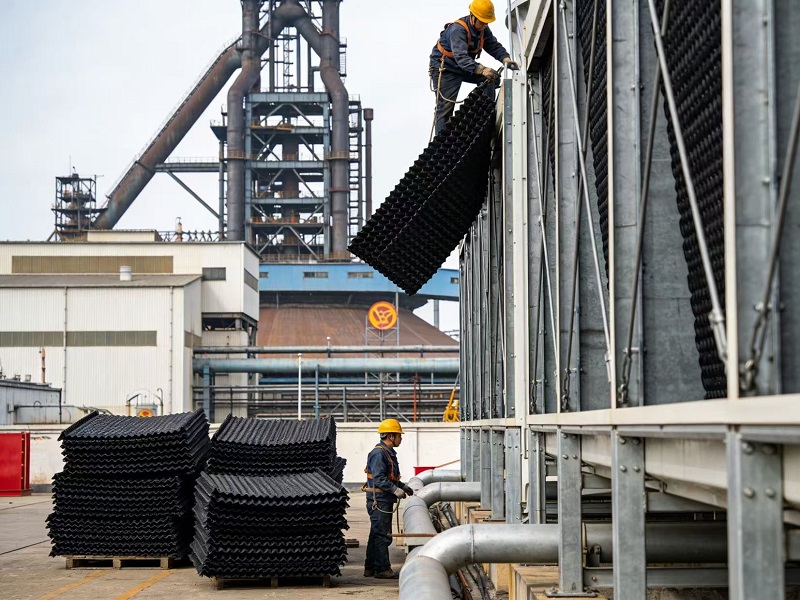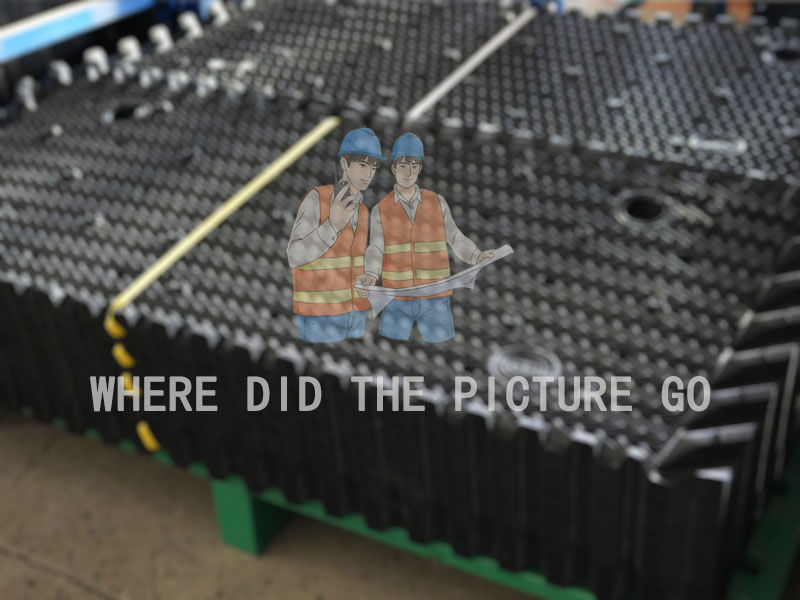
If you have been in this industry for any length of time, you already know that the fill media is pretty much the heart of any cooling tower. I have been working with cooling tower packing for years now, mostly with clients across Southeast Asia, the Middle East, and the Japan-Korea market. And let me tell you—each region brings its own set of challenges. The water quality, the ambient temperatures, the operating conditions—they are all different. And if you pick the wrong cooling tower fill, you are going to pay for it in energy bills, downtime, and early replacement.
So here is the thing. I get asked all the time: "What is the best fill for my tower?" And my answer is always the same—it depends. But do not worry, I am going to walk you through everything I have learned over the years. We will talk about materials, types, what works where, and how to get the most out of your cooling tower fill media. Stick with me.
Look, I have seen too many plant managers treat tower fill as an afterthought. They throw whatever is cheap in there and then wonder why their cooling efficiency drops 15** within two years. The fill is where the heat transfer happens—plain and simple. Hot water comes in, spreads across the fill surface, air moves through, and the heat leaves with the evaporated water. If your fill is clogged, damaged, or just poorly chosen for your application, that whole process suffers[reference:0].
I remember visiting a chemical plant in Thailand a couple of years back. They were running PVC film fill in a tower that was seeing water temperatures pushing 65°C. The fill had warped and collapsed in less than 18 months. They had to shut down for a week to replace it. That is lost production, lost revenue, and a whole lot of stress nobody needs. So trust me—getting the fill right from the start saves you a world of pain down the road.
This is the first question I always get: PVC or PP? And honestly, both have their place. But you need to understand the trade-offs.
PVC is the most common material out there, and for good reason. It gives you excellent thermal performance, it is lightweight, and it is cost-effective[reference:1][reference:2]. For most HVAC systems and standard industrial cooling where your water temperature stays below 60°C, PVC film fill cooling tower products are going to do the job beautifully[reference:3]. It spreads water into a thin film really well, which maximizes surface area for heat transfer[reference:4].
One thing to watch out for, though—PVC does not love high temperatures. Once you push past 60°C consistently, it starts to soften and deform[reference:5]. I have seen it happen more times than I care to count. Also, if your water is aggressive or you are dealing with a lot of UV exposure, you need to make sure you are getting treated PVC with UV stabilizers and fire-retardant additives[reference:6].
Polypropylene is your go-to when things get hot or chemically aggressive. PP can handle temperatures up to 85–90°C without breaking a sweat[reference:7]. It is tougher, more durable, and holds up better in demanding environments like power plants, steel mills, and chemical processing facilities[reference:8].
But here is the catch—PP does not wet out as well as PVC. Because it is more hydrophobic, water tends to bead up on the surface rather than spreading into a thin film[reference:9]. That means you can actually get slightly lower thermal performance in standard applications compared to PVC. So if you do not need the high-temperature tolerance, stick with PVC. It is cheaper and more efficient for what most of you are doing[reference:10].
Beyond the material, you have got to decide between film fill and splash fill. And this decision is just as important.
Film Fill is what I recommend to 90** of my clients. It uses closely spaced sheets—usually PVC or PP—where water spreads into a thin film[reference:11]. The surface area for heat transfer is huge, which means you get better cooling performance in a smaller footprint[reference:12]. Studies have shown film-type packing can achieve thermal efficiencies around 85**, compared to about 80** for splash fill[reference:13].
I had a client in Dubai who was struggling with space constraints in their district cooling plant. We switched them from an old splash fill setup to high-efficiency film fill, and they got 30** more cooling capacity out of the exact same tower footprint. That is the kind of difference we are talking about[reference:14].
But—and this is a big but—film fill needs clean water. If your water has a lot of suspended solids, sediment, or biological growth, film fill will clog up on you[reference:15]. The tight spacing that makes it so efficient also makes it vulnerable to fouling. So if your water quality is questionable, you need to think twice.
Splash fill works differently. Instead of spreading water into a film, it breaks the water into droplets as it falls through layers of bars or grids[reference:16]. It is less efficient than film fill, but it is way more forgiving when your water is dirty[reference:17].
I have got a client in Indonesia running a palm oil mill. Their cooling water is full of organic matter and debris. Film fill would be a nightmare for them—clogged within weeks. But splash fill handles that kind of punishment without missing a beat. It is also a good choice for steel mills, foundries, and any application where fouling is a constant battle[reference:18].
More and more, I am seeing hybrid fills that combine film fill in the upper sections for efficiency and splash fill in the lower sections for fouling resistance[reference:19]. If you have got variable water quality or you are not quite sure what your conditions will be long-term, this is a smart way to hedge your bets.
Southeast Asia is a huge part of my business, and it is growing fast. The cooling tower packing demand there is driven by sustained industrialization, power generation expansion, and the modernization of HVAC systems across commercial real estate[reference:20][reference:21]. The market is expected to see robust growth through 2035, with a lot of that coming from replacement cycles in existing installations[reference:22].
What I see a lot in this region is inconsistent water quality. One plant might have relatively clean city water, and the next one over is pulling from a river with high sediment load. So my advice to clients in Southeast Asia is always the same—test your water first, then choose your fill. Do not guess. And do not assume the fill that worked for your neighbor's plant will work for yours.
Another thing—the heat and humidity in this region are brutal. Your cooling towers are working hard year-round, which means your fill is under constant stress. I recommend inspecting your fill at least twice a year and keeping a close eye on any signs of scaling, biological growth, or physical damage[reference:23].
The Middle East is a different beast entirely. The ambient temperatures are extreme, water is scarce, and the cooling demand is massive—especially in places like Saudi Arabia and the UAE[reference:24]. The Middle East and Africa region is actually expected to be the fastest-growing market for cooling tower fills through 2035[reference:25].
In this market, water conservation is non-negotiable. You cannot afford to waste water, and your cooling tower needs to be running at peak efficiency at all times. That means high-performance film fill is usually the way to go—provided your water quality can support it.
But here is the thing I always tell my Middle East clients—do not overlook your Water Collector. In a region where every drop of water counts, having an efficient water collection system is just as important as having good fill. I have seen plants lose significant amounts of water through drift and poor collection, and that adds up fast when water is expensive.
Also, fire safety is a big deal in this region. Make sure your PVC fill has proper fire-retardant treatment. Some PP fills are less fire-retardant than treated PVC, so if fire codes are strict in your area, that is something you need to factor into your decision[reference:26].
Japan and South Korea are mature markets, but they are not stagnant. The demand there is driven by replacement cycles and incremental expansion rather than explosive new construction[reference:27]. These clients know their stuff—they are detail-oriented, they demand quality, and they do not cut corners.
What I have found is that Japanese and Korean clients really care about longevity and reliability. They are willing to pay more upfront for a fill that is going to last 10–15 years rather than 5–7 years[reference:28]. PP fill tends to do well in this market because of its longer service life and better resistance to deformation under load[reference:29].
That said, I have also seen a lot of PVC film fill used in HVAC applications across both countries—especially in the commercial building sector. The key is matching the fill to the specific application. Do not over-spec just because you can afford it, but do not under-spec either. Find the sweet spot.
One more thing—maintenance discipline in Japan and Korea is usually excellent. They do regular inspections, they clean their fills properly, and they replace sections when needed. If you are in this market, your fill is going to last longer simply because it is better cared for[reference:30].
I want to take a minute to talk about two components that do not get enough attention—the Air intake grille and the water collector.
Your Air intake grille is the first line of defense for your fill. It keeps debris, birds, and large particles from getting into the tower and fouling your fill. I cannot tell you how many times I have seen a perfectly good fill ruined because the air intake grille was damaged or missing. Check your grilles regularly. Replace them when they get bent or corroded. It is a small investment that protects a much bigger one.
And your Water Collector—this is where your cooled water ends up before it goes back to your process. If your water collector is not designed properly, you can lose water through splashing or drift. In regions where water is expensive or scarce, that is money literally going down the drain. A good water collector minimizes loss and makes your whole system more efficient.
This is a question I get all the time. How do you know when your fill needs replacing? Here is what I look for:
Cooling efficiency drops. If your tower is not bringing the water temperature down like it used to, your fill might be fouled or degraded[reference:31].
Visible damage. Cracks, warping, or broken sections are obvious signs that replacement is needed[reference:32].
Scaling or biological growth. If cleaning is not restoring performance, and the scale or biofilm is baked into the fill, it is time to replace it[reference:33].
Age. Most PVC fills last about 5–10 years with proper maintenance[reference:34]. PP fills can go 10–15 years in demanding conditions[reference:35]. If your fill is approaching the end of that range, start planning for replacement before it fails on you.
I always tell my clients to budget for replacement every 8–10 years as a rule of thumb. If you get more, great. If you get less, you need to look at your water treatment or operating conditions.
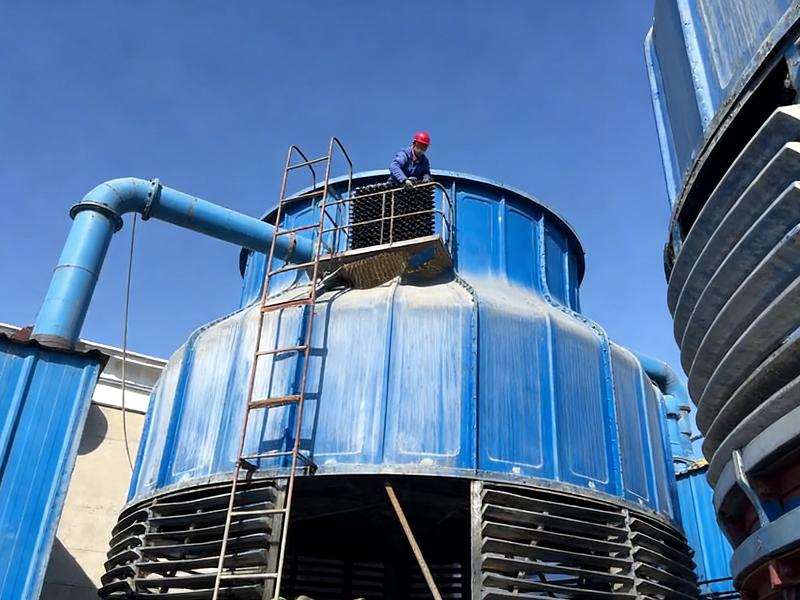
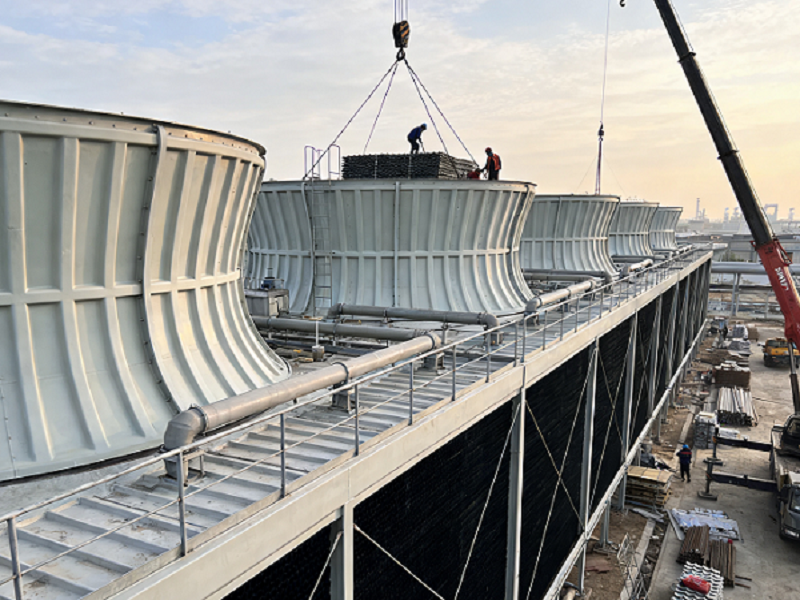
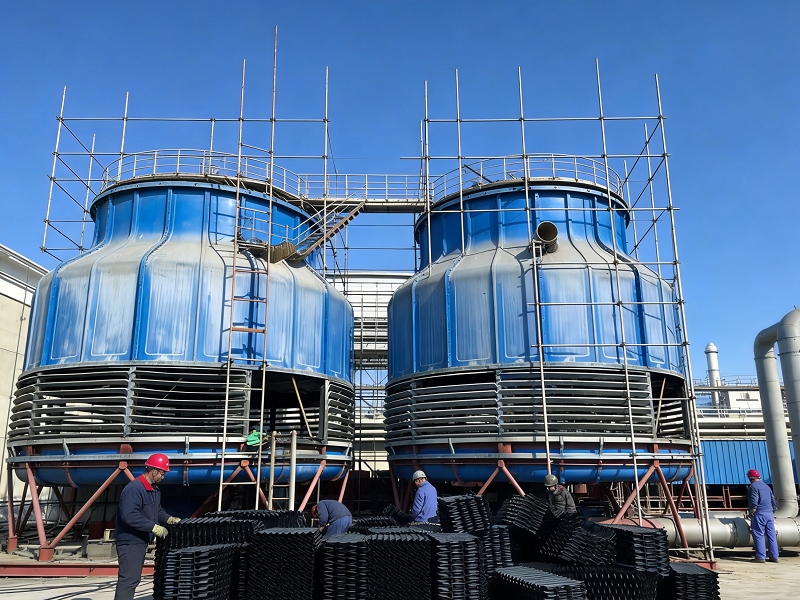
Here is the part that gets plant managers excited—energy savings. A high-efficiency film-type fill can considerably reduce the required cross-section of your tower and lower your first cost[reference:36]. More importantly, it reduces the operating power of your fans, which translates to real energy savings month after month[reference:37].
I worked with a data center in Singapore a while back. They were running 24/7 cooling and their energy bills were through the roof. We replaced their aging fill with high-efficiency film fill and optimized the water distribution. They cut their fan energy consumption by 12** in the first month. That is not a one-time saving—that keeps going year after year.
On the water side, optimized fill media reduces water loss through better evaporation control and less drift. In regions like the Middle East, where water is a precious resource, that is a huge win[reference:38].
Alright, let me give you my practical, no-nonsense advice for choosing the right cooling tower fill for your operation:
Know your water temperature. If it is below 60°C, PVC film fill is your best bet. If it is above that, look at PP or CPVC[reference:39].
Know your water quality. Clean water? Film fill all the way. Dirty water with suspended solids? Splash fill or hybrid fill will save you a lot of headaches[reference:40].
Know your budget. PVC is cheaper upfront. PP costs more but lasts longer in tough conditions[reference:41]. Do the lifecycle cost analysis—not just the initial purchase price.
Know your fire safety requirements. If fire codes are strict, make sure your fill is properly treated. Treated PVC usually performs better in fire tests than untreated PP[reference:42].
Do not forget the accessories. Your Air intake grille and Water Collector are not optional extras—they are critical components that protect your fill and your system performance.
The global cooling tower fill media market is poised for measured expansion through 2035[reference:43]. We are talking about a compound annual growth rate of around 4** to 6** in some segments[reference:44][reference:45]. The drivers are clear—energy efficiency regulations are getting tighter, water scarcity is becoming more pressing, and heat-intensive infrastructure like data centers is growing fast[reference:46].
I am also seeing more innovation in fill design—anti-clogging features, antibacterial coatings, and modular designs that make cleaning and replacement easier[reference:47]. These are not just gimmicks. They address real problems that plant operators deal with every day.
If you are in Southeast Asia, the Middle East, Japan, or Korea, you are in growth markets. The demand is there. The question is whether you are going to be proactive about your cooling tower fill or wait until it fails and deal with the consequences.
Look, I have been in this business long enough to see just about every mistake you can make with cooling tower fill. I have seen people buy the cheapest fill they could find and replace it three times in five years. I have seen people buy the most expensive fill for an application that did not need it and waste a ton of money. And I have seen people ignore their fill completely until their tower stopped working.
My advice? Be smart about it. Understand your operating conditions. Choose the right material and type for your specific application. Maintain your fill properly. And do not forget the supporting components like your Air intake grille and Water Collector—they matter more than most people realize.
If you take care of your cooling tower fill media, it will take care of your cooling performance, your energy bills, and your bottom line. That is not just theory—that is what I have seen happen, over and over again, for clients all over the world.
Got questions? Reach out. I am always happy to talk shop with people who actually care about getting it right.
Precision design for efficient heat exchange. Improves cooling efficiency and reduces operating energy consumption.
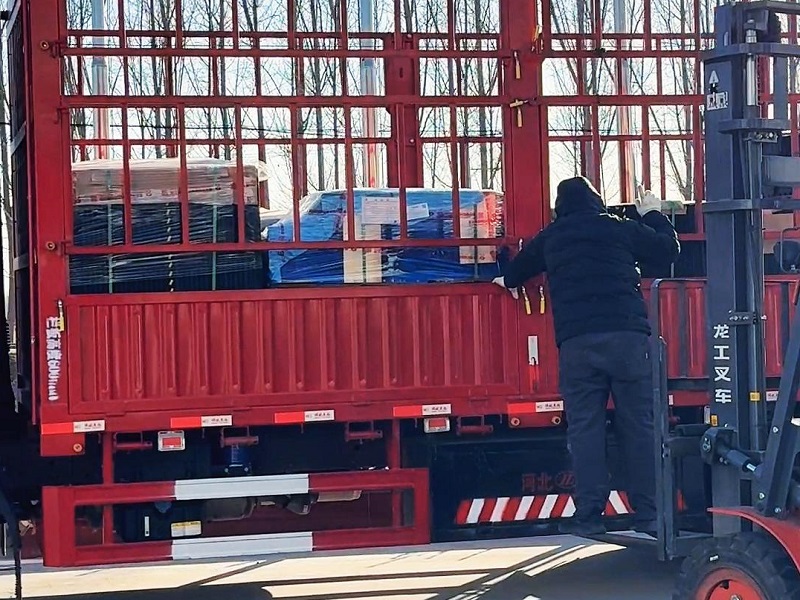
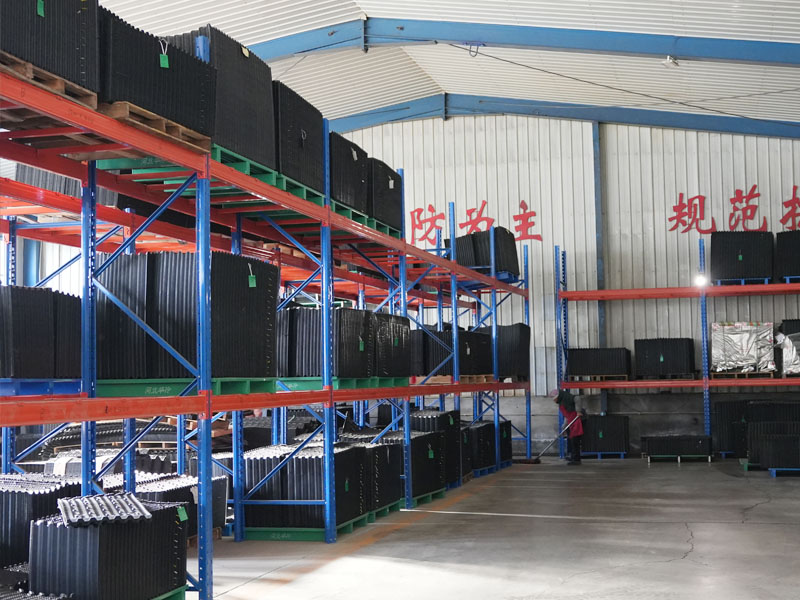
We have a large supermarket stock of cooling tower packing materials, with a variety of product specifications.
Provide customized cooling tower packing solutions to accurately match the needs of different brands of cooling tower projects.
Our experienced team provides comprehensive technical support to ensure timely and high-quality delivery of cooling tower packing orders.

The cooling tower fill from this supplier has significantly improved our system's efficiency. Installation was straightforward, and we've noticed a consistent temperature drop since switching to their product.
Plant Manager

Durability was our main concern, and this fill material has held up exceptionally well even in harsh conditions. It has reduced our maintenance cycles and downtime.
Operations Director

We needed a drop-in replacement for an older system. Their technical support helped us select the right fill, and the performance has exceeded our expectations.
Facilities Engineer

The fill blocks arrived well-packed and were easy to install. Our cooling tower now runs more quietly and with better heat dissipation.
Maintenance Supervisor

Hi friend, there is a cooling tower packing processing factory here, which has various specifications of cooling tower packing and can also be customized according to your requirements. Are you sure you don't want to come and take a look
Copyright © 2026.Company cooling tower fill factory All rights reserved.