Choosing the right cooling tower fill media is an important step when designing a new cooling system or replacing old internal components. Many engineers focus mainly on fan capacity, pump flow, or tower size, but the performance of the fill media inside the tower is also a key factor that affects heat transfer efficiency.
In practical industrial projects, there is no single type of fill that works perfectly for every application. A cooling tower operating in a power plant, chemical factory, steel mill, or commercial building may require completely different fill solutions because the water quality, temperature, airflow condition, and maintenance environment are different.
This guide explains how experienced engineers usually evaluate cooling tower fill selection and what factors should be considered before making a decision.
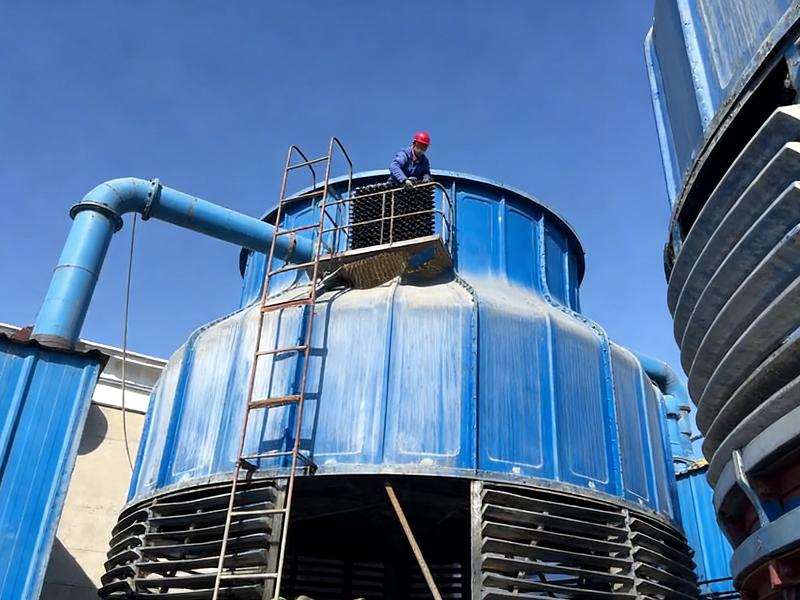
The main purpose of cooling tower fill media is to improve contact between water and air. When hot circulating water enters the cooling tower, the fill spreads the water into a larger surface area, allowing heat to transfer from water to air more effectively.
If the selected fill does not match the working conditions, several problems may appear:
For this reason, selecting tower fill is not simply a replacement job. It is a technical decision related to the whole cooling system.
Before selecting a suitable fill, it is necessary to understand the common types used in industrial cooling towers.
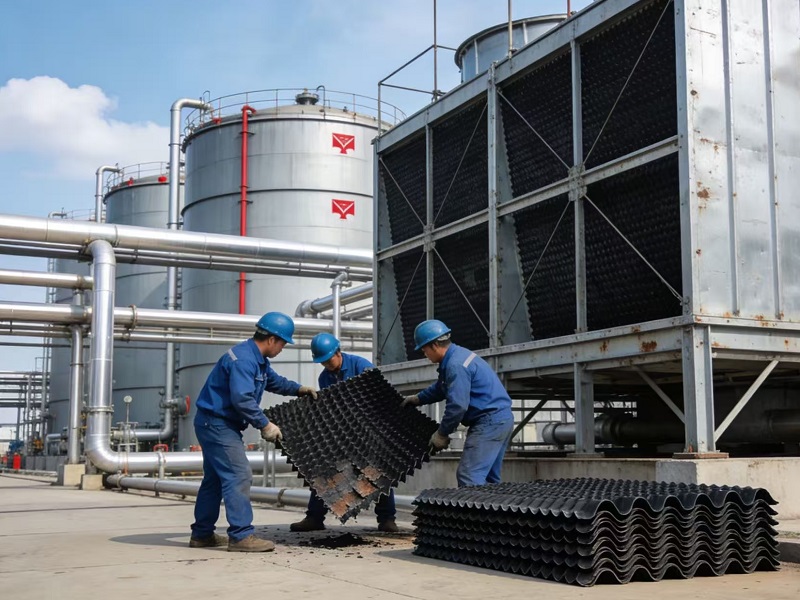
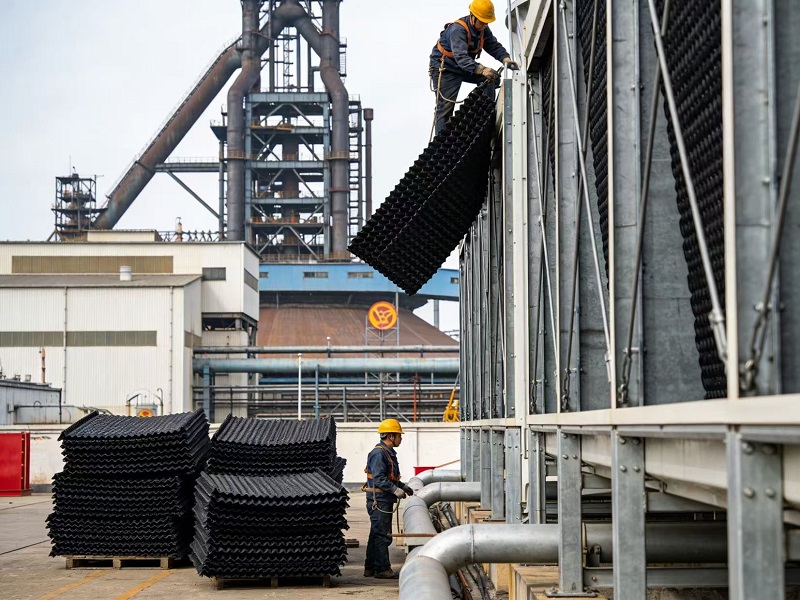
Film fill is widely used in modern cooling towers because of its efficient heat transfer design. It uses specially shaped PVC or PP sheets to create a large wet surface area. Water flows over the surface of the sheets while air moves through the channels.
A film fill cooling tower solution is usually suitable for applications where water quality is relatively clean and high thermal performance is required.
Common advantages of Film Fill include:
Splash fill works by breaking falling water into smaller droplets. The open structure allows better resistance against dirt and suspended solids compared with some compact film designs.
Splash fill is often considered for industrial environments where water conditions are more challenging.
Typical applications include:
Water quality is one of the first things engineers should evaluate before choosing cooling tower packing. The same fill design may perform differently depending on the circulating water condition.
For systems using treated water with low suspended solids, film fill is often selected because it provides a larger heat transfer surface and better cooling performance.
Examples include:
For industrial cooling systems where water contains dust, particles, or biological growth, an open structure may be more practical.
In these applications, engineers usually consider:
A suitable cooling tower fill design should balance cooling performance and maintenance requirements.
Temperature conditions are another important factor when selecting fill media. Different materials have different temperature resistance characteristics.
PVC is commonly used in standard cooling applications because it provides stable performance under normal operating conditions.
PVC cooling tower packing is widely applied in:
Polypropylene (PP) is often selected for more demanding industrial environments because it provides good temperature resistance and chemical stability.
For industries where water temperature is higher or operating conditions are more complex, PP cooling tower fill may provide better long-term performance.
When choosing between PVC and PP, engineers normally review:
The cooling tower structure also affects fill selection. A fill designed for one type of tower may not provide the expected performance when installed in another design.
In counterflow cooling towers, air moves upward while water flows downward. The fill needs to provide good air-water contact while maintaining reasonable airflow resistance.
Film fill designs are commonly used in counterflow systems because they can provide efficient heat exchange within limited tower space.
In crossflow cooling towers, air flows horizontally through the fill while water moves vertically downward.
The fill design should work well with the airflow direction and water distribution method of the tower.
Cooling tower performance depends on both water distribution and airflow. A fill with excellent heat transfer characteristics may not perform well if the pressure drop is too high.
Important airflow factors include:
Experienced engineers usually look for a balance between heat transfer efficiency and airflow performance instead of focusing on only one factor.
Power plants usually require cooling systems that can operate continuously for long periods. Reliability and stable performance are often more important than short-term cost savings.
Important selection factors include:
Chemical plants may face more complex water conditions. The material compatibility of the fill media should be carefully considered.
When selecting cooling tower packing for chemical applications, engineers usually check chemical resistance and operating temperature.
HVAC systems normally focus on stable cooling performance, low maintenance, and energy efficiency.
Film fill is frequently selected because it provides effective heat exchange in compact cooling tower designs.
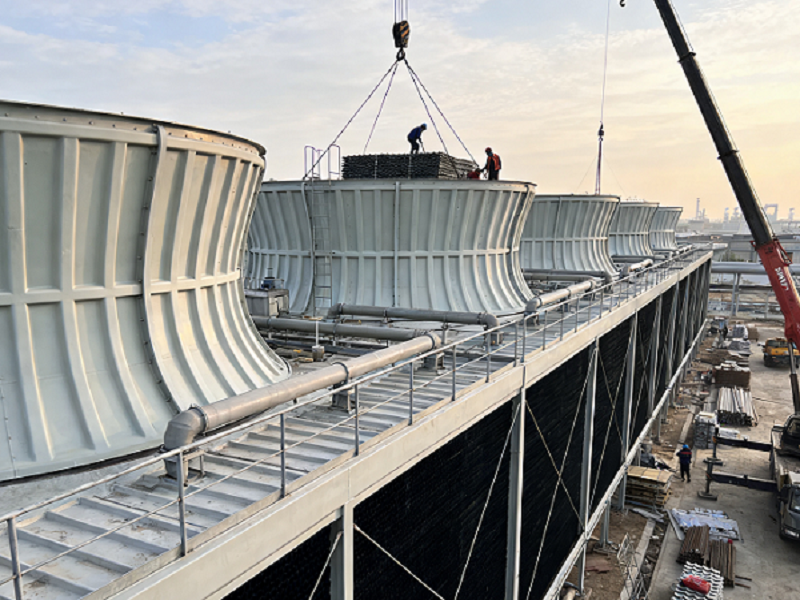
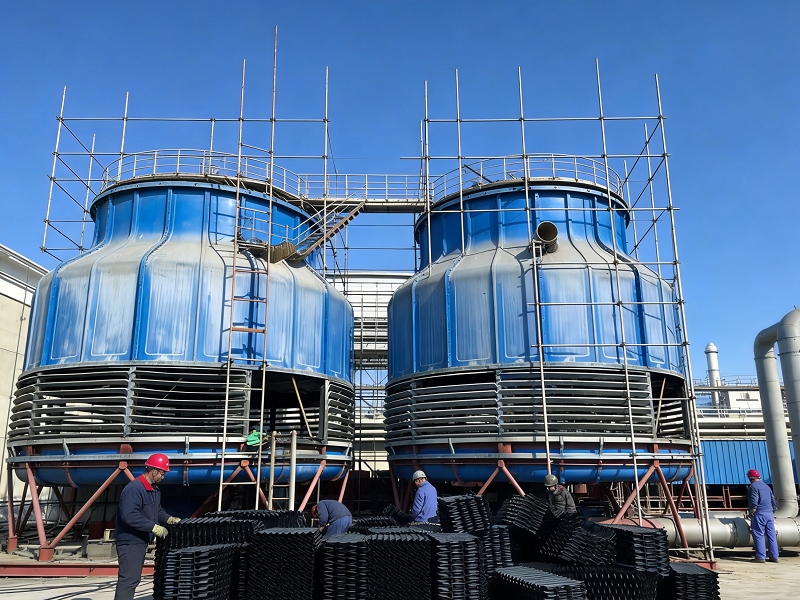
When upgrading an existing cooling tower, replacing only the fill media may not always solve all performance problems. Other internal components should also be checked.
The air intake section has a direct influence on airflow quality. A damaged or blocked air inlet can reduce the cooling performance even when the fill media is working properly.
During cooling tower renovation projects, engineers often inspect the Air intake grille together with the fill system.
A properly designed Water Collector helps reduce water droplets leaving the cooling tower with exhaust air.
This is especially important in areas where water conservation and environmental requirements are becoming more important.
One common mistake is selecting fill media only based on initial purchase cost. A lower-cost option may require more frequent replacement or cleaning, increasing long-term operating expenses.
Using a high-efficiency film fill in a heavily contaminated water system may create maintenance problems.
Fill dimensions, thickness, and spacing should match the original cooling tower design. Incorrect sizing can affect airflow, water distribution, and installation quality.
Industrial cooling requirements are increasing in many regions, especially Southeast Asia and the Middle East. Manufacturing growth, power development, and increasing attention to energy management are creating higher demand for reliable cooling tower components.
In Japan and Korea, many companies focus on improving existing cooling systems through retrofit projects instead of replacing complete towers. Upgrading old Film Fill systems is often considered a practical method to improve performance.
For overseas projects, engineers usually prefer cooling solutions that are easy to install, stable during operation, and suitable for local maintenance conditions.
Selecting the right cooling tower fill media is a technical decision that requires understanding the actual working environment. The best choice is not always the most expensive product or the highest cooling capacity option. It is the solution that matches the tower design, water condition, and operating requirements.
Whether the project is a new cooling tower installation or an old system upgrade, a carefully selected cooling tower fill can help improve heat transfer performance and support more stable operation.
A good cooling tower design starts with understanding the details inside the tower.
Precision design for efficient heat exchange. Improves cooling efficiency and reduces operating energy consumption.
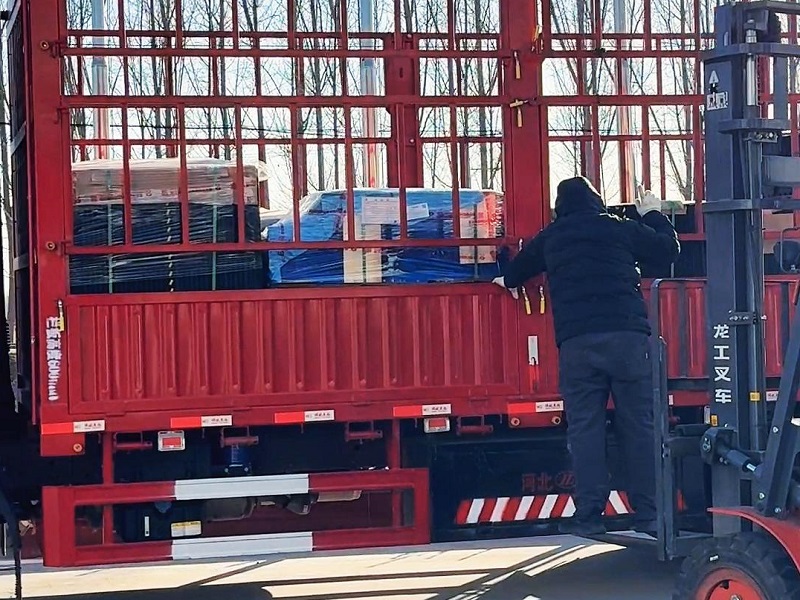
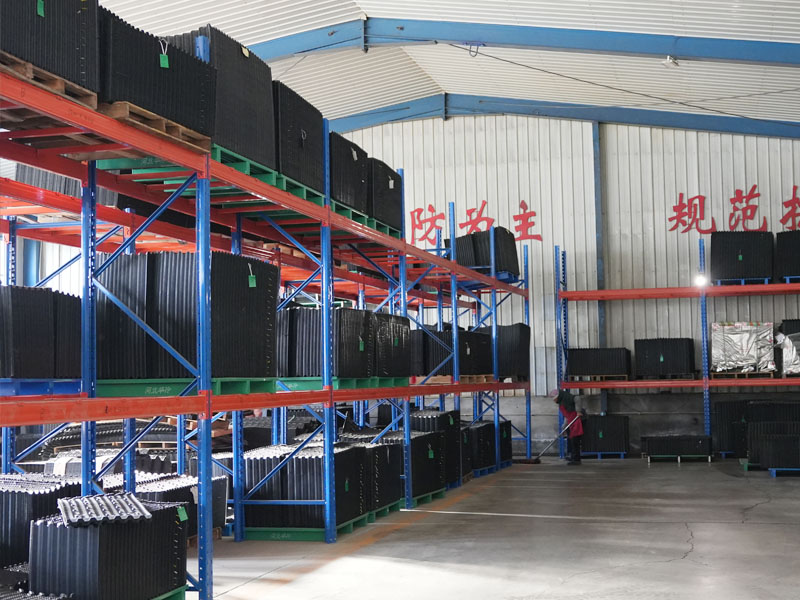
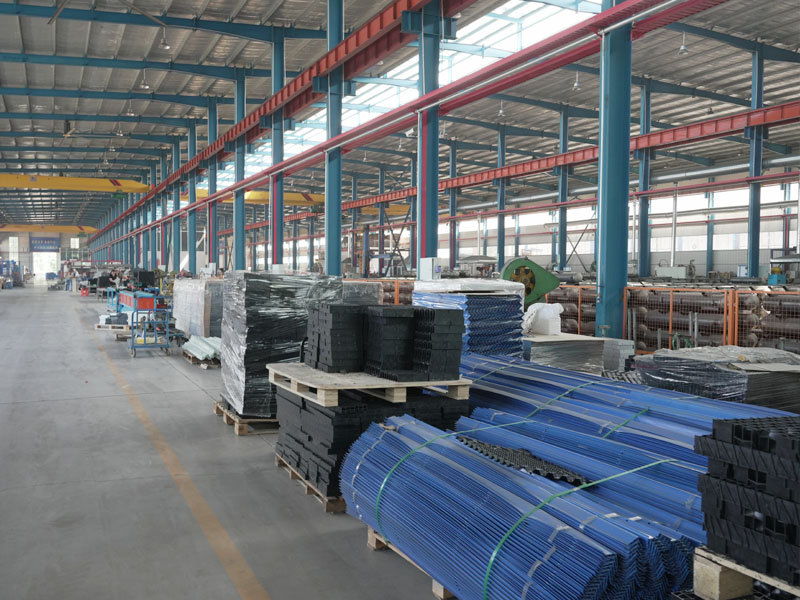
We have a large supermarket stock of cooling tower packing materials, with a variety of product specifications.
Provide customized cooling tower packing solutions to accurately match the needs of different brands of cooling tower projects.
Our experienced team provides comprehensive technical support to ensure timely and high-quality delivery of cooling tower packing orders.

The cooling tower fill from this supplier has significantly improved our system's efficiency. Installation was straightforward, and we've noticed a consistent temperature drop since switching to their product.
Plant Manager

Durability was our main concern, and this fill material has held up exceptionally well even in harsh conditions. It has reduced our maintenance cycles and downtime.
Operations Director

We needed a drop-in replacement for an older system. Their technical support helped us select the right fill, and the performance has exceeded our expectations.
Facilities Engineer

The fill blocks arrived well-packed and were easy to install. Our cooling tower now runs more quietly and with better heat dissipation.
Maintenance Supervisor

Hi friend, there is a cooling tower packing processing factory here, which has various specifications of cooling tower packing and can also be customized according to your requirements. Are you sure you don't want to come and take a look
Copyright © 2026.Company cooling tower fill factory All rights reserved.