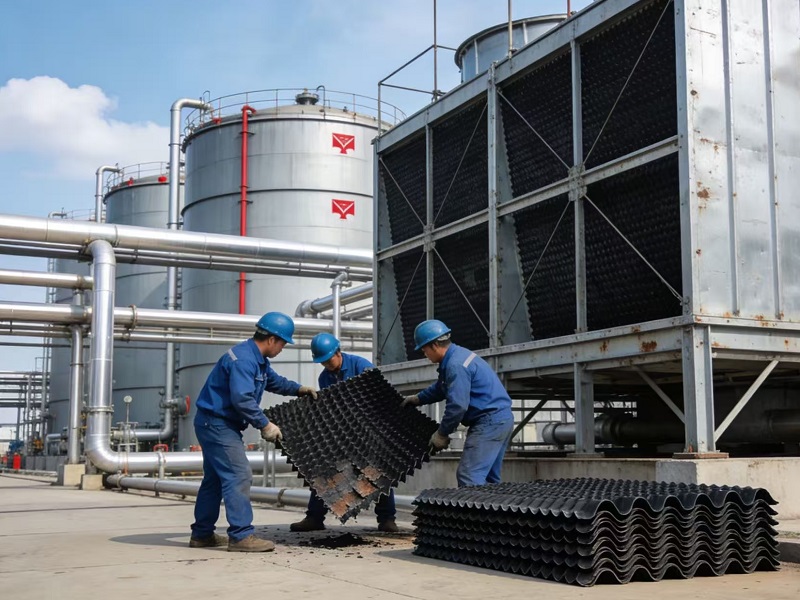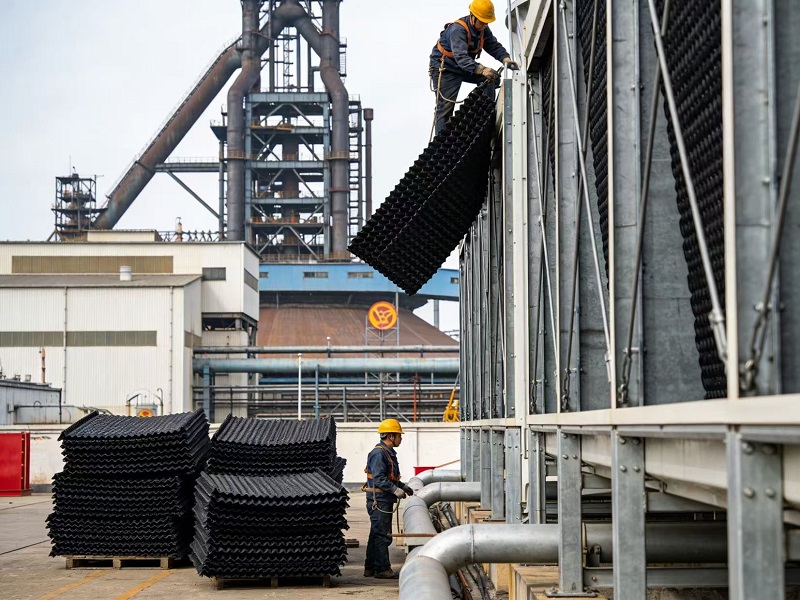
For a new industrial cooling tower project, selecting the right cooling tower fill media is an important decision during the early design stage. The fill is not just a simple internal component. It directly affects heat transfer performance, airflow resistance, water distribution, and long-term operating stability.
Many project owners focus mainly on cooling tower capacity, fan selection, and pump performance. However, the internal fill design also plays a major role in whether the cooling tower can achieve the expected cooling performance.
A suitable cooling tower fill should match the actual project requirements, including water quality, operating temperature, industry application, and maintenance conditions.
This article explains the key factors engineers should consider when selecting cooling tower fill for new industrial projects.
The design stage is the best time to evaluate cooling tower fill requirements. Once the cooling tower is installed, changing internal components can become more complicated and expensive.
Choosing the correct fill media at the beginning can help improve:
Different industrial applications have different cooling requirements. A fill design suitable for an office building may not be suitable for a chemical plant or power station.
Cooling tower fill media works by increasing the contact area between water and air.
When hot circulating water enters the cooling tower, it spreads across the fill surface. At the same time, air passes through the fill structure. Heat is transferred from water to air through evaporation.
The efficiency of this process depends on several factors:
A properly selected cooling tower fill media helps create a balanced relationship between heat transfer efficiency and operating resistance.
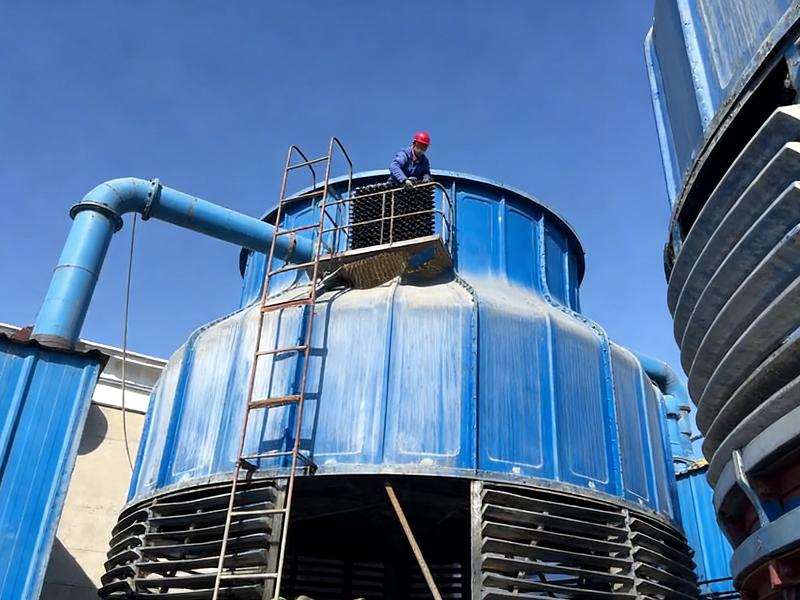
Before selecting fill media, engineers should first understand the cooling tower structure.
The most common cooling tower types include:
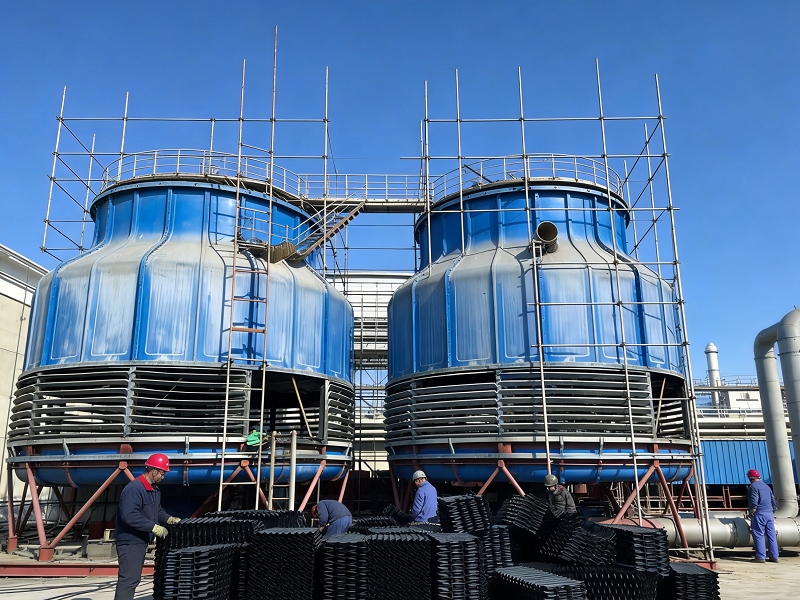
In counterflow cooling towers, air moves upward while water flows downward.
The fill needs to provide good water distribution and allow sufficient airflow through the vertical structure.
Film fill designs are commonly used in counterflow applications because they provide a large heat exchange surface.
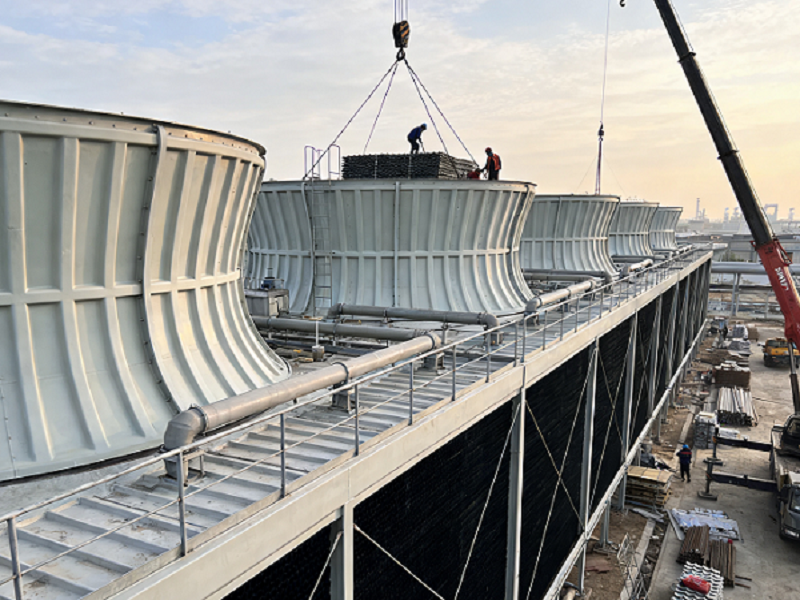
In crossflow cooling towers, air enters horizontally while water flows downward.
The fill design usually focuses on stable water flow and convenient maintenance access.
Understanding tower type helps engineers choose the correct fill arrangement and size.
Water quality is one of the most important factors when selecting cooling tower fill.
Different water conditions create different challenges.
For systems with good water treatment, compact Film Fill designs can provide efficient heat transfer performance.
These applications are common in:
Some industrial cooling systems contain more suspended solids, dust, or biological materials.
In these cases, engineers may need to consider fill structures with larger openings to reduce blockage risks.
The best choice depends on balancing cooling efficiency and maintenance requirements.
The material of cooling tower packing affects long-term reliability.
PVC is one of the most commonly used materials in cooling tower applications.
It is often selected because of its stable performance in normal operating environments.
PVC cooling tower fill is commonly used in:
Polypropylene is widely considered for applications requiring higher temperature resistance or stronger chemical stability.
PP fill media is commonly considered in:
Material selection should always be based on actual operating conditions rather than simply choosing the most expensive option.
Every cooling tower project has different performance targets.
Engineers usually consider:
A suitable fill design should support the required cooling range without creating unnecessary airflow resistance.
Film Fill has become one of the most widely used cooling tower fill technologies because of its effective heat transfer characteristics.
The surface design creates many small channels that allow water to spread evenly while maintaining airflow.
A properly designed film fill cooling tower solution can provide stable performance for many industrial applications.
However, engineers should always consider water quality before selecting Film Fill because highly contaminated water may require different solutions.
A good cooling tower design should consider future maintenance from the beginning.
Engineers should evaluate:
A cooling tower that is difficult to maintain may create unnecessary downtime in the future.
Power plants usually require cooling systems that can operate continuously.
Important selection factors include:
Chemical plants usually focus on material compatibility and operating stability.
The cooling tower fill material should match the chemical characteristics of the circulating water.
Manufacturing facilities often require reliable cooling performance to maintain production processes.
The selected fill should balance efficiency, maintenance, and operating cost.
Cooling tower performance depends on multiple internal components working together.
Besides fill media, engineers should also consider airflow and water control components.
The air intake area affects how smoothly outside air enters the cooling tower.
A suitable Air intake grille can help maintain airflow conditions and protect the internal system.
Water conservation is becoming increasingly important in many industrial projects.
A properly designed Water Collector helps reduce water droplets escaping from the cooling tower.
Considering these components together can create a more complete cooling tower solution.
Southeast Asia has experienced strong industrial growth in recent years, especially in manufacturing, electronics, automotive, and food processing industries.
Cooling tower systems in these regions often operate under:
For these conditions, engineers usually focus on material durability, stable cooling performance, and easy maintenance.
Cooling systems in the Middle East often face high outdoor temperatures and strong cooling demand.
Important considerations include:
Selecting suitable cooling tower packing helps support reliable operation in challenging environments.
The cheapest option may not always provide the best long-term value.
A suitable fill should match the actual application requirements.
Water quality has a direct influence on fill performance.
Ignoring this factor may lead to blockage, scaling, or reduced cooling efficiency.
Cooling tower performance depends on multiple components working together.
Engineers should evaluate the complete system rather than only selecting a new fill product.
Selecting the right cooling tower fill for a new industrial project requires careful consideration of tower type, water quality, material selection, cooling requirements, and future maintenance.
There is no single fill solution suitable for every application. The best choice is the one that matches the actual working environment.
By selecting suitable cooling fill products at the design stage, industrial companies can build more stable and efficient cooling systems for long-term operation.
Precision design for efficient heat exchange. Improves cooling efficiency and reduces operating energy consumption.
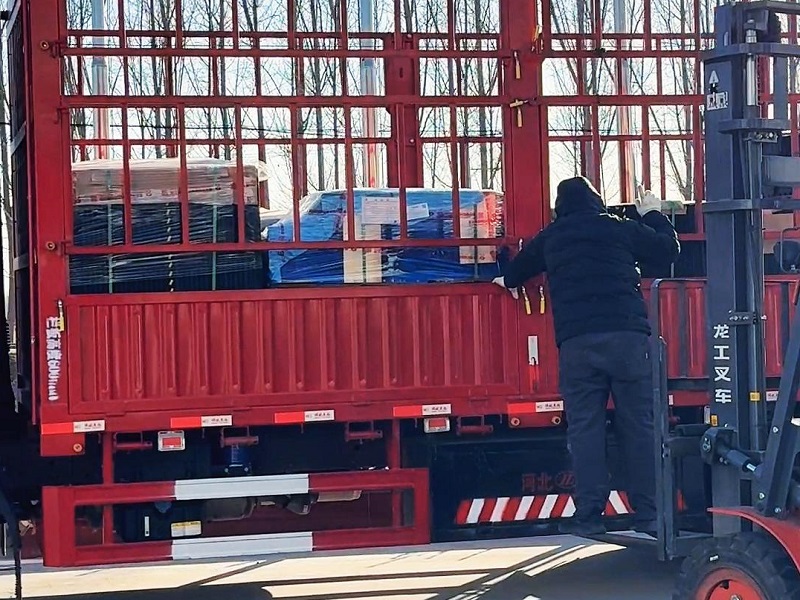
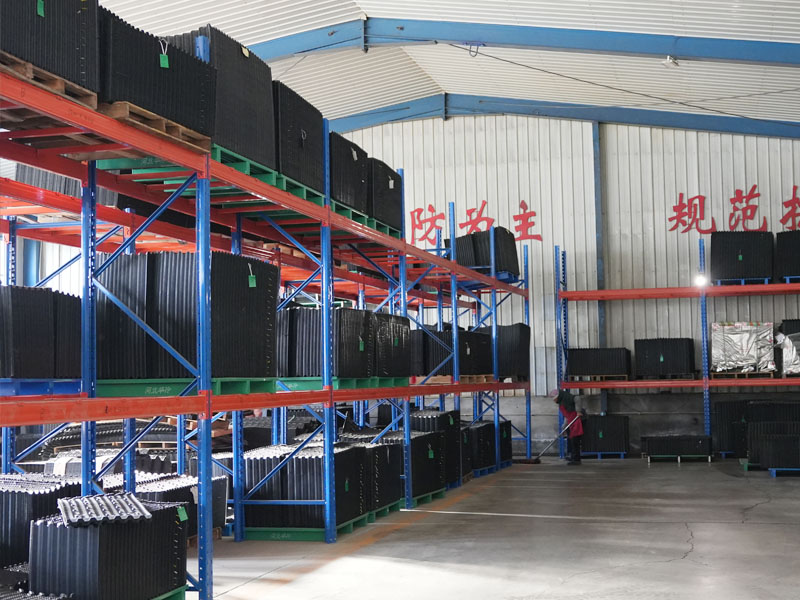
We have a large supermarket stock of cooling tower packing materials, with a variety of product specifications.
Provide customized cooling tower packing solutions to accurately match the needs of different brands of cooling tower projects.
Our experienced team provides comprehensive technical support to ensure timely and high-quality delivery of cooling tower packing orders.

The cooling tower fill from this supplier has significantly improved our system's efficiency. Installation was straightforward, and we've noticed a consistent temperature drop since switching to their product.
Plant Manager

Durability was our main concern, and this fill material has held up exceptionally well even in harsh conditions. It has reduced our maintenance cycles and downtime.
Operations Director

We needed a drop-in replacement for an older system. Their technical support helped us select the right fill, and the performance has exceeded our expectations.
Facilities Engineer

The fill blocks arrived well-packed and were easy to install. Our cooling tower now runs more quietly and with better heat dissipation.
Maintenance Supervisor

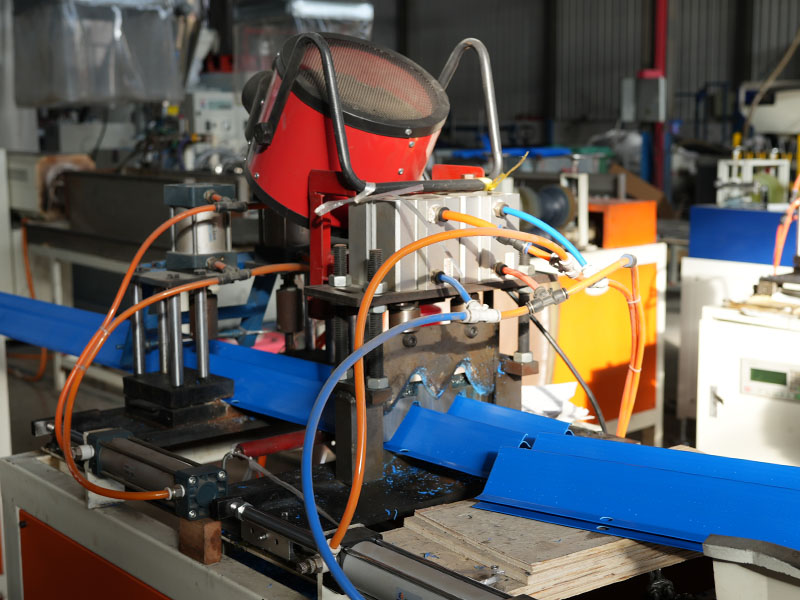
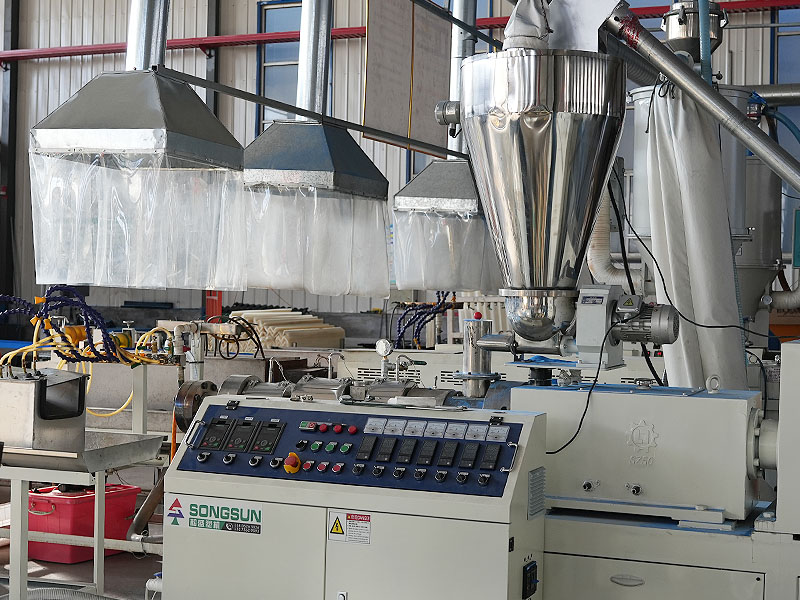
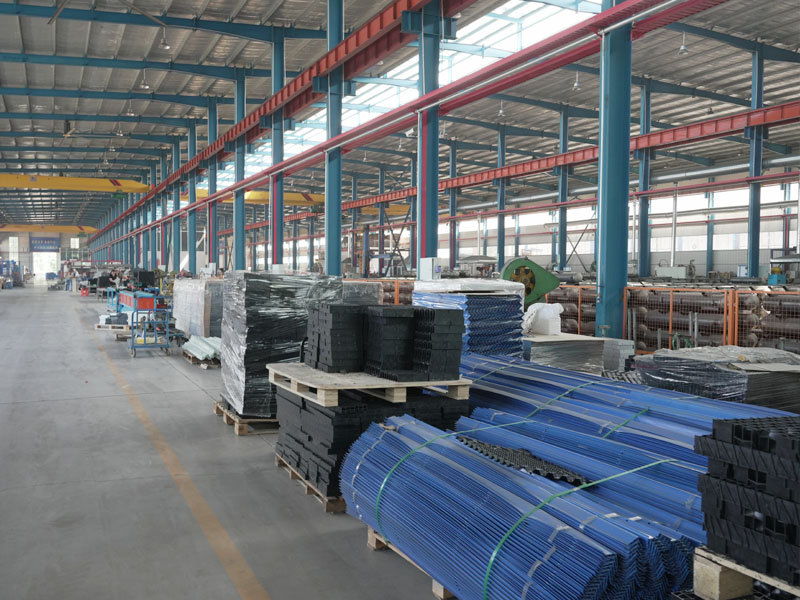
Hi friend, there is a cooling tower packing processing factory here, which has various specifications of cooling tower packing and can also be customized according to your requirements. Are you sure you don't want to come and take a look
Copyright © 2026.Company cooling tower fill factory All rights reserved.