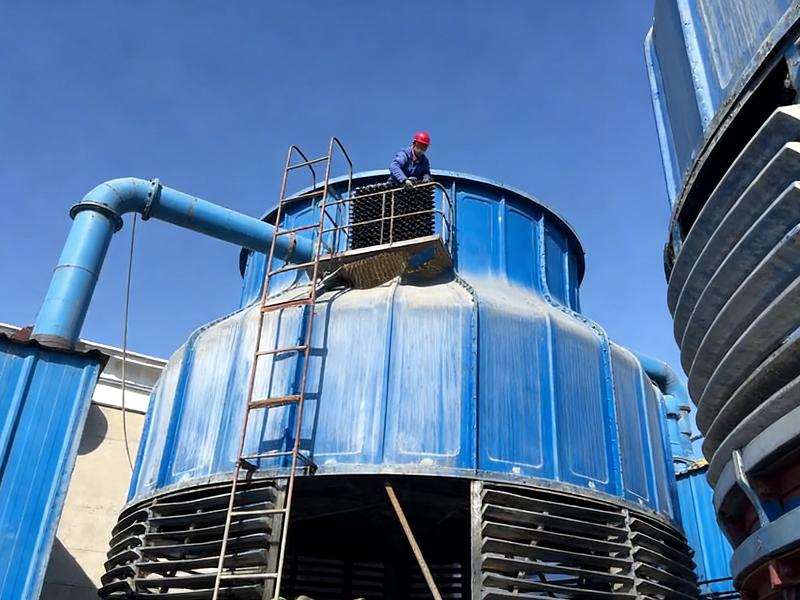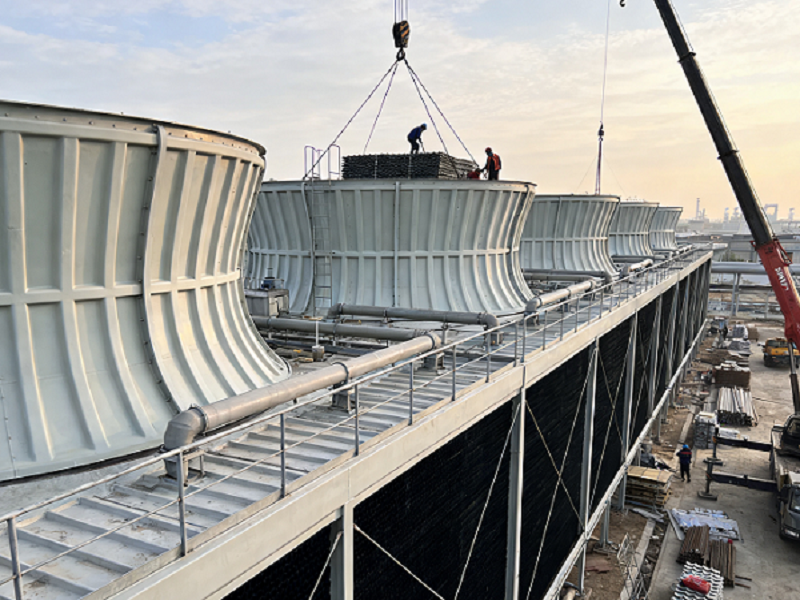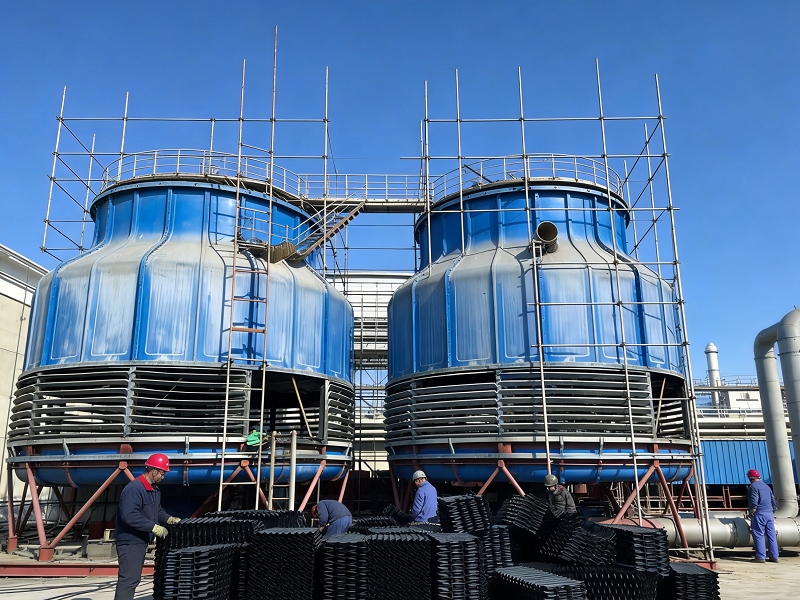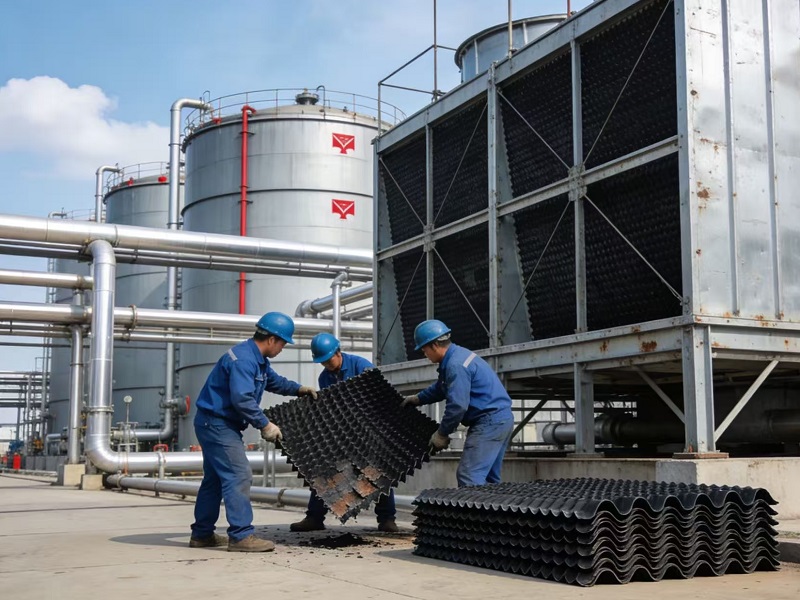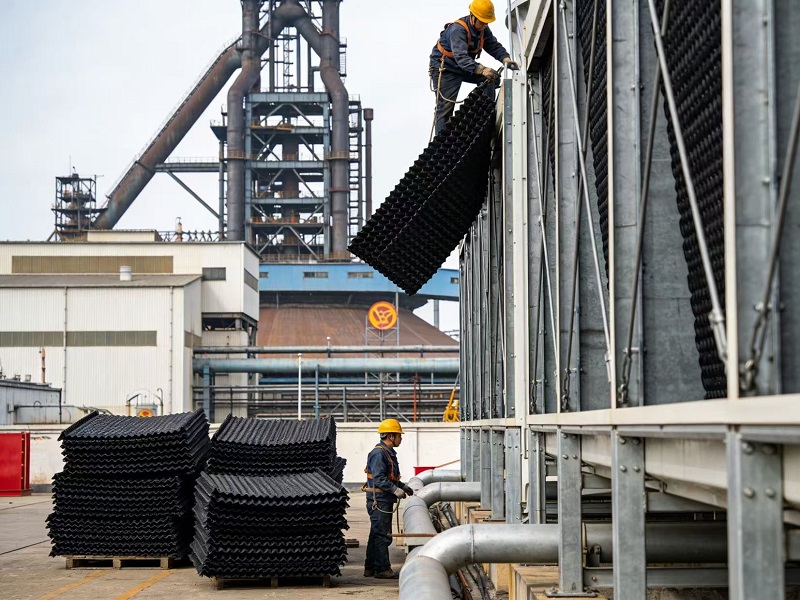
Cooling tower fill media plays an important role in the performance of industrial cooling systems. Even when high-quality fill material is selected, incorrect installation can reduce heat transfer efficiency and affect the long-term operation of the cooling tower.
For new cooling tower projects and replacement projects, proper installation helps ensure stable water distribution, balanced airflow, and reliable cooling performance.
Many cooling tower problems are not caused by the fill design itself, but by installation details that are overlooked during the project process. Understanding the correct installation method can help engineers avoid unnecessary performance issues.
This article explains the key steps, common mistakes, and practical considerations when installing cooling tower fill for industrial applications.
Cooling tower fill media is designed to create effective contact between water and air. The installation quality directly affects how well the fill performs its heat exchange function.
A properly installed cooling tower fill system can help achieve:
On the other hand, poor installation may cause uneven cooling, increased airflow resistance, and premature damage to the fill structure.
Before installation begins, engineers should understand the structure and working principle of the selected fill media.
Modern cooling tower packing is usually designed with specific surface patterns that control water flow and air movement.
Common cooling tower fill structures include:
Film Fill is widely used in many industrial cooling systems because it provides a large surface area for heat transfer.
A film fill cooling tower installation requires attention to:
Because Film Fill has a compact structure, installation accuracy becomes especially important.
A successful installation starts before the fill material enters the cooling tower.
Before installation, engineers should confirm the internal dimensions of the cooling tower.
Important measurements include:
Accurate measurements help ensure the selected fill blocks fit correctly inside the tower.
For replacement projects, the old fill media should be removed first, and the internal structure should be inspected.
Engineers should check:
Installing new fill on a damaged support structure may create future problems.
Before installing new cooling tower fill media, the installation area should be cleaned.
Foreign materials, old plastic pieces, dirt, and deposits should be removed to avoid affecting airflow and water flow.
The support structure carries the weight of the fill media and circulating water.
A stable support system should provide:
The support design should match the selected cooling tower fill media specification.
Cooling tower fill is usually supplied in blocks or modules.
During installation, each block should be placed according to the designed arrangement.
Important points include:
Incorrect arrangement may reduce the effective heat exchange area.
Water distribution has a direct influence on cooling performance.
After installing the fill, engineers should check whether water can spread evenly across the fill surface.
Poor water distribution may create dry areas and reduce cooling efficiency.
Airflow should move smoothly through the fill structure.
Engineers should check:
One common mistake is selecting fill media only based on size without considering the tower design.
Different cooling towers require different fill arrangements.
The correct selection should consider:
Large gaps can affect airflow distribution and reduce effective heat transfer.
During installation, fill blocks should be arranged tightly according to the recommended structure.
Even a properly installed fill system may experience problems if water conditions are not suitable.
Before installation, engineers should evaluate:
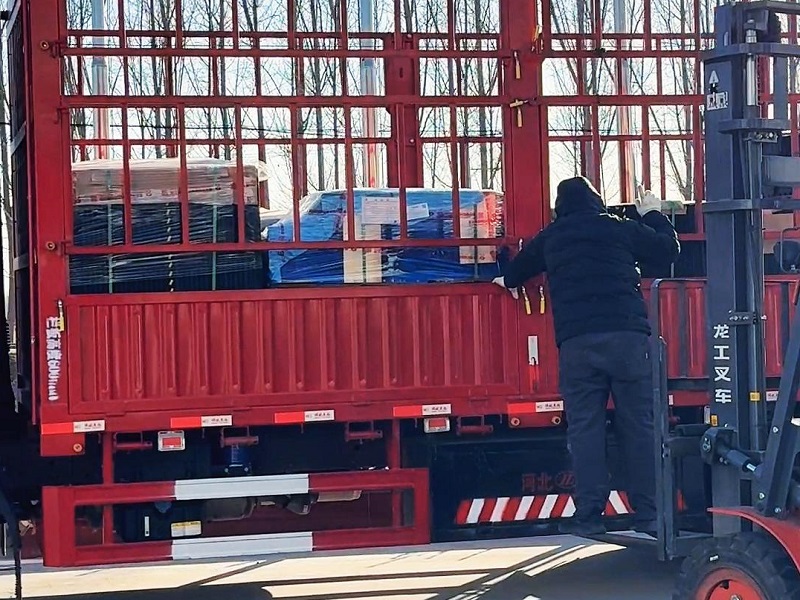
Cooling tower fill media is designed with precise structures. Rough handling may damage sheets or reduce the original design performance.
Workers should handle the fill carefully during transportation and installation.
Many industrial companies replace old fill media instead of replacing the entire cooling tower.
During replacement projects, the installation process usually includes:
A correct replacement process can help restore cooling tower performance and extend equipment service life.
Installation quality is important, but selecting suitable fill media is the foundation of a successful project.
PVC cooling tower fill is commonly used in standard applications where operating conditions are stable.
Typical applications include:
PP cooling tower fill is often selected for applications requiring higher temperature resistance or stronger chemical stability.
It is commonly considered for:
Choosing suitable material before installation helps improve long-term reliability.
A cooling tower is a complete system. Besides fill media, other internal components should also be inspected during installation projects.
The air intake section affects airflow entering the cooling tower.
A damaged Air intake grille may reduce airflow efficiency and influence cooling performance.
During installation or retrofit projects, checking the air inlet condition can help maintain proper operation.
Water loss control is becoming increasingly important in industrial cooling systems.
A suitable Water Collector helps reduce water droplets escaping from the cooling tower.
Combining fill installation with other component inspections creates a more complete upgrade solution.
Cooling tower projects in Southeast Asia often operate under hot and humid climate conditions.
During installation, engineers should pay attention to:
A properly installed cooling tower fill system can help maintain stable performance in tropical environments.
Cooling systems in the Middle East often operate under high ambient temperatures.
Important installation factors include:
Correct installation helps ensure the cooling tower can operate effectively under challenging conditions.
Cooling tower fill installation is a detailed process that requires proper planning, suitable product selection, and careful execution.
The performance of cooling tower packing depends not only on the fill design but also on how well it is installed inside the cooling system.
By selecting the right cooling tower fill media and following proper installation practices, industrial users can improve cooling stability and reduce future maintenance problems.
A well-installed cooling tower fill system provides a strong foundation for reliable operation throughout the service life of the cooling tower.
Precision design for efficient heat exchange. Improves cooling efficiency and reduces operating energy consumption.
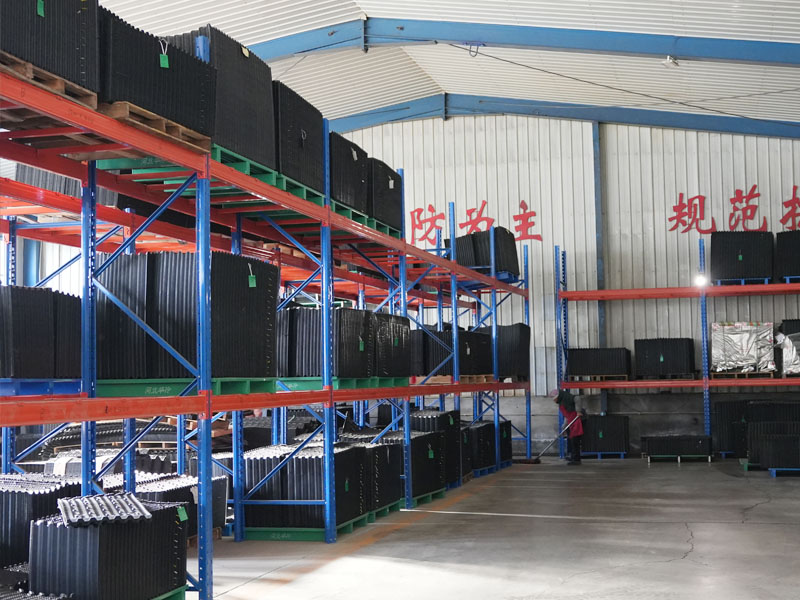
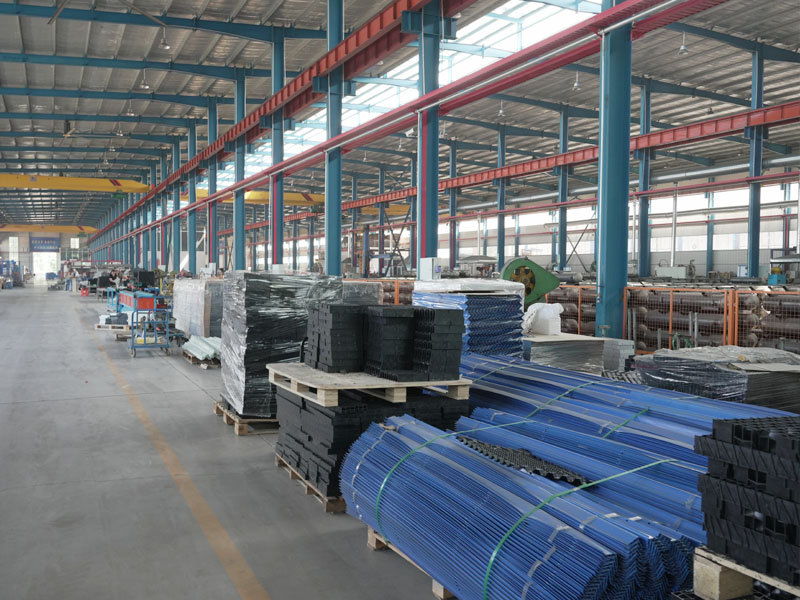
We have a large supermarket stock of cooling tower packing materials, with a variety of product specifications.
Provide customized cooling tower packing solutions to accurately match the needs of different brands of cooling tower projects.
Our experienced team provides comprehensive technical support to ensure timely and high-quality delivery of cooling tower packing orders.

The cooling tower fill from this supplier has significantly improved our system's efficiency. Installation was straightforward, and we've noticed a consistent temperature drop since switching to their product.
Plant Manager

Durability was our main concern, and this fill material has held up exceptionally well even in harsh conditions. It has reduced our maintenance cycles and downtime.
Operations Director

We needed a drop-in replacement for an older system. Their technical support helped us select the right fill, and the performance has exceeded our expectations.
Facilities Engineer

The fill blocks arrived well-packed and were easy to install. Our cooling tower now runs more quietly and with better heat dissipation.
Maintenance Supervisor

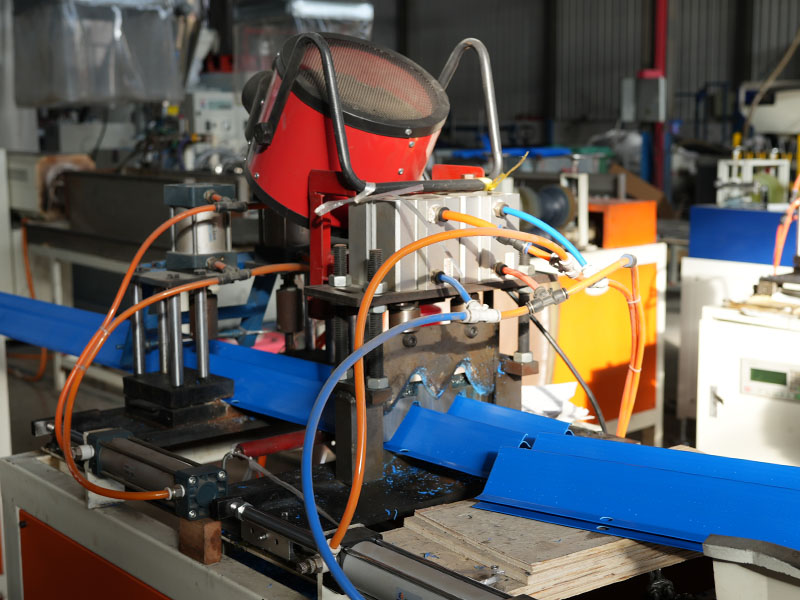
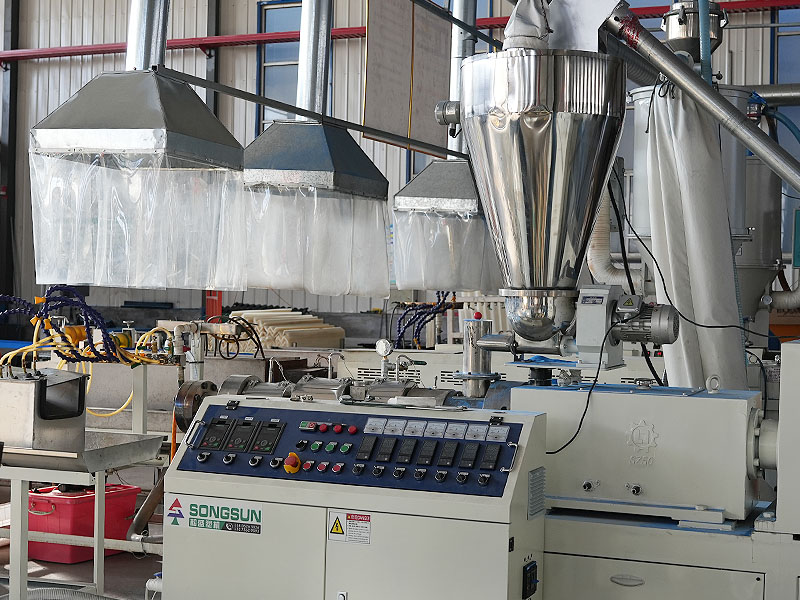
Hi friend, there is a cooling tower packing processing factory here, which has various specifications of cooling tower packing and can also be customized according to your requirements. Are you sure you don't want to come and take a look
Copyright © 2026.Company cooling tower fill factory All rights reserved.