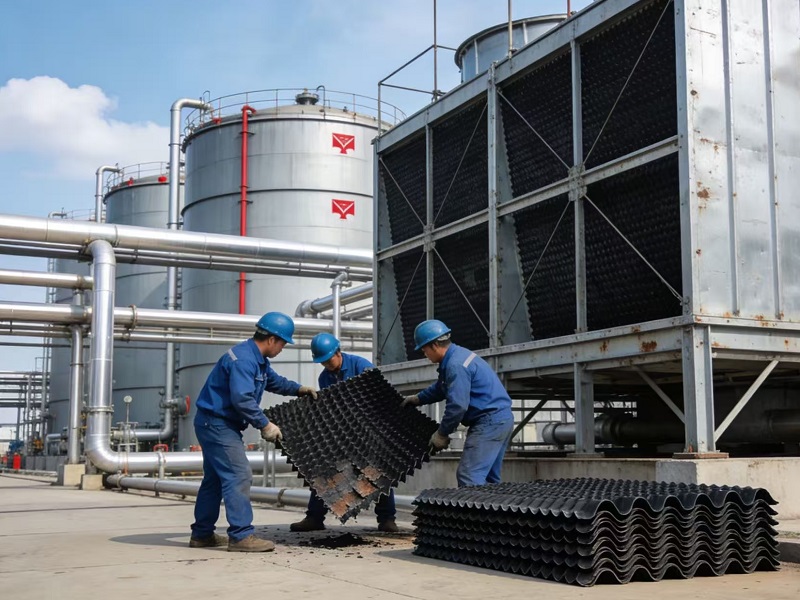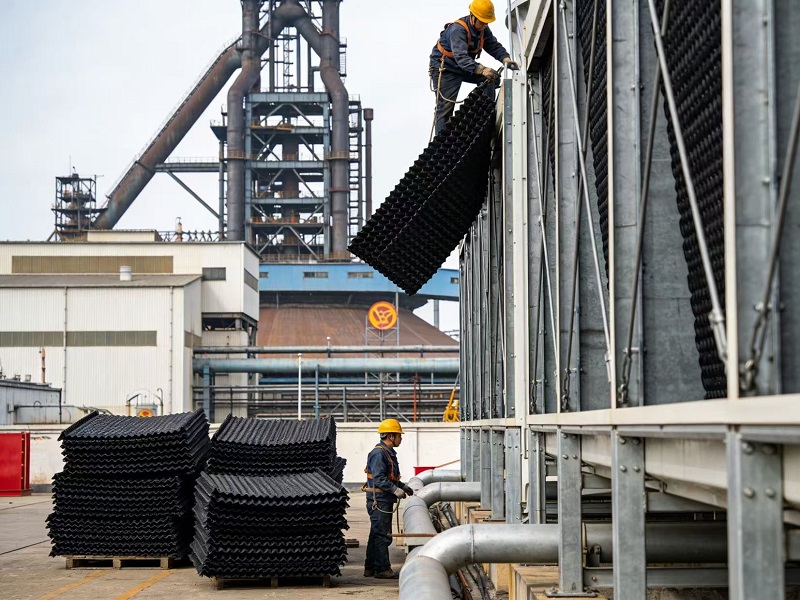
Cooling tower fill media is one of the most important internal components in an industrial cooling system. It provides a large contact surface between water and air, allowing heat to be transferred effectively through evaporation.
However, even high-quality cooling tower fill requires proper maintenance to maintain stable performance. Without regular inspection and cleaning, problems such as scaling, blockage, biological growth, and material damage may gradually reduce cooling efficiency.
Many industrial users focus on fan maintenance and water pumps but overlook the condition of the fill media. In reality, maintaining the fill properly can help extend service life, reduce unexpected downtime, and keep the cooling tower operating efficiently.
This article explains practical maintenance methods for cooling tower fill and discusses how industrial companies can improve long-term cooling system reliability.
During normal operation, cooling tower fill is continuously exposed to circulating water, airflow, temperature changes, and chemical conditions.
Over time, different factors may affect the fill performance:
When these issues accumulate, the fill structure may no longer provide the expected heat exchange performance.
Regular maintenance helps identify problems early and prevents small issues from becoming major system failures.
Scaling is one of the most common problems in cooling tower operation.
When circulating water contains high mineral content, deposits may gradually form on the fill surface. These deposits reduce the effective contact area between water and air.
The result may include:
Regular water treatment and inspection can help reduce scaling problems.
Some industrial cooling systems operate with water containing suspended particles.
If these particles accumulate inside the fill structure, they may restrict water flow and airflow.
Blockage problems are more common in applications such as:
For these applications, choosing suitable cooling tower packing with proper structure is important.
Warm water environments can create conditions for algae and microorganisms.
Biological growth may affect:
Proper water treatment and regular cleaning are necessary to control biological issues.
Regular inspection is the first step in maintaining cooling tower fill performance.
The inspection frequency depends on:
A simple visual inspection can identify many common problems.
Engineers should check:
Early detection allows maintenance teams to take action before cooling performance declines significantly.
Besides checking the physical condition, operating data should also be reviewed.
Important information includes:
A gradual decrease in cooling performance may indicate that the fill needs cleaning, repair, or replacement.
The cleaning method depends on the fill material, contamination type, and operating conditions.
Water flushing is commonly used for removing loose dirt and deposits from the fill surface.
This method is suitable for regular maintenance when contamination levels are not severe.
For mineral scaling or stubborn deposits, chemical cleaning may be considered.
However, the cleaning chemicals should be compatible with the fill material and cooling system design.
Incorrect chemical selection may damage plastic fill sheets.
Mechanical cleaning methods can be used in some industrial applications with heavy contamination.
Care should be taken because excessive force may damage the fill structure.
Film Fill is widely used in modern cooling towers because of its efficient heat transfer design.
A film fill cooling tower requires proper maintenance because the compact structure depends on clean water distribution and smooth airflow.
Uneven water flow can create dry areas inside the fill.
Regular inspection of spray nozzles or distribution systems helps maintain proper water coverage.
Because Film Fill has many internal channels, heavy deposits may affect water and air movement.
Maintaining proper water treatment is important for long-term performance.
Engineers should regularly inspect whether the fill sheets remain stable and correctly positioned.
Damaged fill sections should be repaired or replaced when necessary.
Water quality is directly related to cooling tower fill durability.
Poor water conditions can accelerate:
A good water management program should include:
Good water management reduces stress on the cooling tower fill and improves operating stability.
Maintenance can extend the service life of cooling tower fill, but replacement will eventually become necessary.
Common replacement signals include:
Replacing old fill at the right time helps avoid efficiency losses and unexpected production problems.
When replacement is required, selecting the correct fill design is important.
PVC fill media is widely used in many standard cooling applications.
It can be suitable for:
PP fill media is often considered for more demanding industrial environments.
Applications may include:
The right material choice depends on actual operating conditions.
Cooling tower performance depends on the entire system, not only the fill media.
During routine maintenance, other components should also be inspected.
The air intake section affects airflow entering the cooling tower.
A blocked or damaged Air intake grille may reduce airflow efficiency.
Regular inspection helps maintain proper air circulation.
Water conservation is becoming increasingly important in industrial cooling applications.
A suitable Water Collector helps reduce water droplets leaving the cooling tower.
Checking the condition of water control components supports more efficient operation.
Cooling towers in Southeast Asia often operate under high humidity and high temperature conditions.
These environments may increase the risk of:
Regular inspection and proper water management are especially important for maintaining cooling tower performance in tropical regions.
Cooling towers in the Middle East often face high ambient temperatures and strong cooling demand.
Important maintenance considerations include:
A planned maintenance program helps cooling systems remain reliable under demanding conditions.
Cooling tower fill media is a critical component that directly influences cooling performance. Proper maintenance can extend service life, improve system stability, and reduce unnecessary operating problems.
Regular inspection, good water management, and correct cleaning methods are the foundation of effective cooling tower maintenance.
Whether using PVC or PP materials, maintaining the right cooling tower fill media condition helps industrial cooling systems operate more efficiently over the long term.
A well-maintained cooling tower is not only more reliable but also easier to manage throughout its service life.
Precision design for efficient heat exchange. Improves cooling efficiency and reduces operating energy consumption.
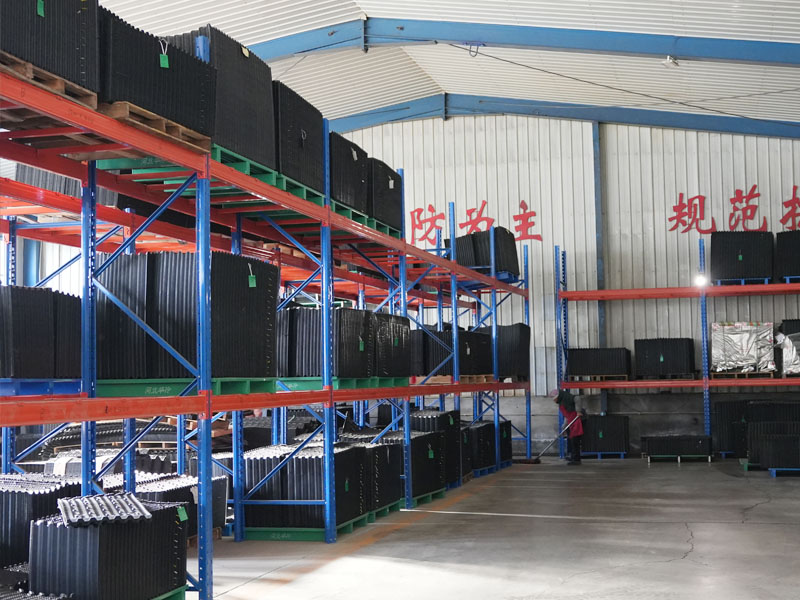
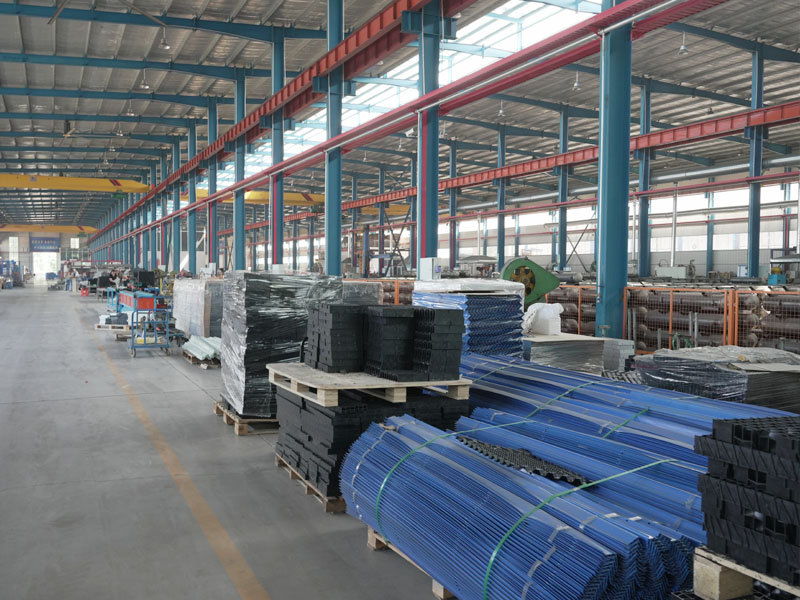
We have a large supermarket stock of cooling tower packing materials, with a variety of product specifications.
Provide customized cooling tower packing solutions to accurately match the needs of different brands of cooling tower projects.
Our experienced team provides comprehensive technical support to ensure timely and high-quality delivery of cooling tower packing orders.

The cooling tower fill from this supplier has significantly improved our system's efficiency. Installation was straightforward, and we've noticed a consistent temperature drop since switching to their product.
Plant Manager

Durability was our main concern, and this fill material has held up exceptionally well even in harsh conditions. It has reduced our maintenance cycles and downtime.
Operations Director

We needed a drop-in replacement for an older system. Their technical support helped us select the right fill, and the performance has exceeded our expectations.
Facilities Engineer

The fill blocks arrived well-packed and were easy to install. Our cooling tower now runs more quietly and with better heat dissipation.
Maintenance Supervisor

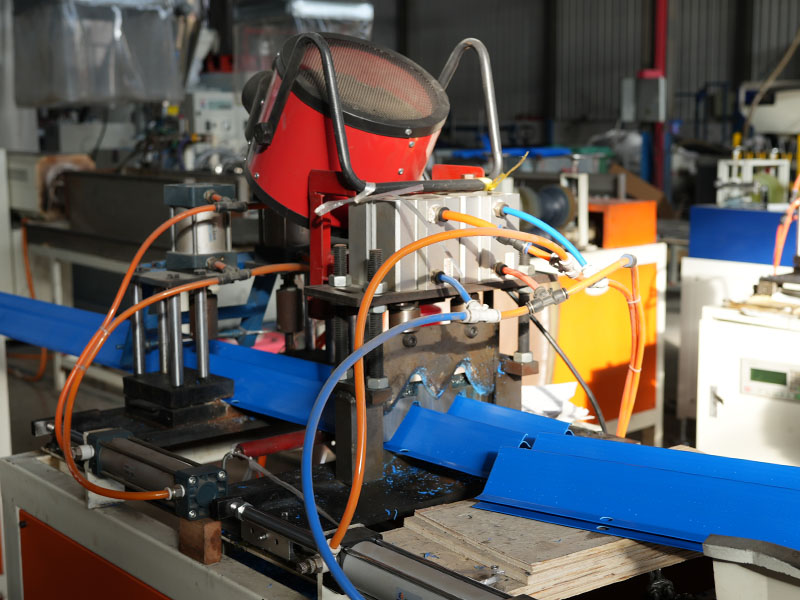
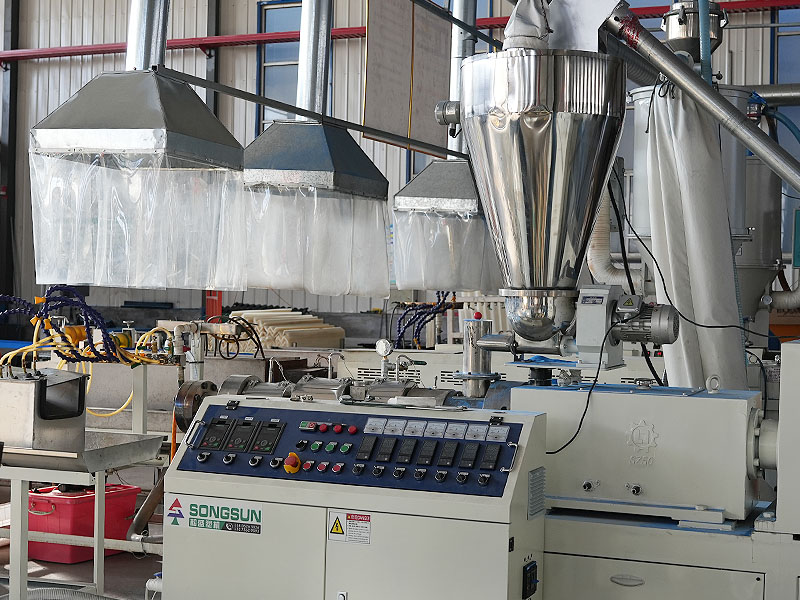
Hi friend, there is a cooling tower packing processing factory here, which has various specifications of cooling tower packing and can also be customized according to your requirements. Are you sure you don't want to come and take a look
Copyright © 2026.Company cooling tower fill factory All rights reserved.