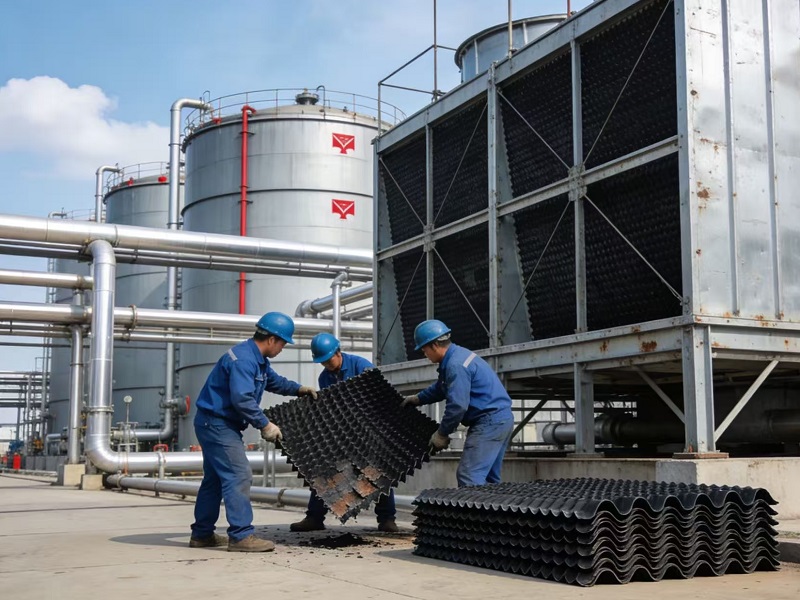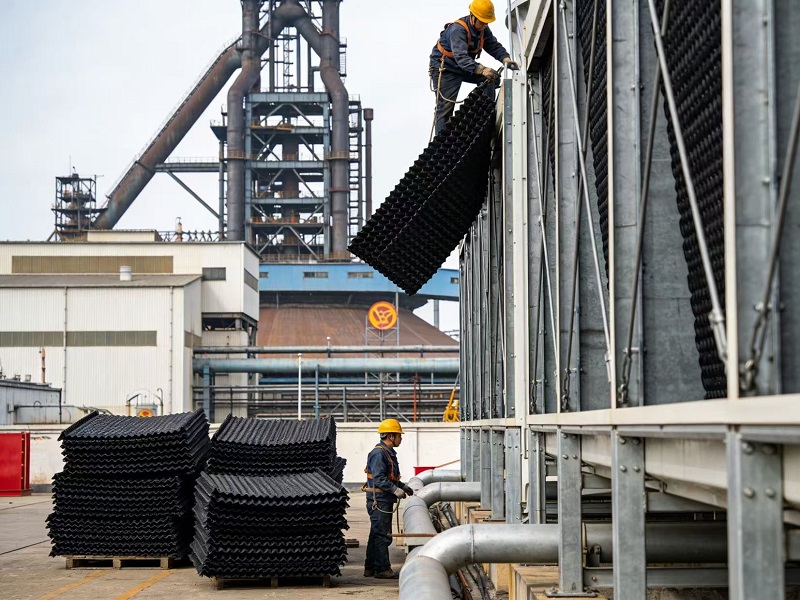
In industrial cooling tower operation, airflow resistance is an important factor that directly affects cooling efficiency and energy consumption. When air cannot pass smoothly through the internal structure, even a high-quality Cooling Fill system may not achieve its expected performance.
For industrial customers in Southeast Asia, the Middle East, and Japan Korea markets, cooling towers often operate under high ambient temperatures, long working hours, and changing environmental conditions. Under these situations, Cooling Tower Media must maintain a good balance between heat transfer efficiency and airflow resistance.
From practical engineering experience, many plants focus only on cooling capacity but overlook airflow resistance changes. In reality, increased resistance is often an early signal of fouling, aging, or incorrect tower fill selection.
Cooling Tower Media works by creating a large contact area between air and water. However, while increasing contact area improves heat transfer, the internal structure must also allow air to pass through smoothly.
If the resistance becomes too high, the fan needs more power to maintain airflow. This increases operating costs and may reduce the overall efficiency of the cooling system.
High airflow resistance can cause:
In industrial areas with high dust levels, particles can gradually attach to Cooling Fill surfaces and reduce airflow passages.
This problem is common in factories located near construction areas, deserts, or heavy industrial zones.
Mineral deposits formed by poor water quality can narrow the air channels inside tower fill.
As scaling increases, both airflow and water distribution performance may decline.
Algae and microorganisms can form layers on cooling tower infill surfaces.
These deposits not only increase resistance but also reduce effective heat exchange areas.
After long-term operation, some fill structures may deform or collapse, changing the original airflow path.
This can create uneven resistance across different sections of the cooling tower.
Film Fill provides excellent heat transfer efficiency because of its large surface area.
However, the narrow channels require proper maintenance because blockage can quickly increase airflow resistance.
Splash fill uses an open structure that allows better tolerance against suspended solids and dirty water conditions.
It is often selected for applications where low blockage risk is more important than maximum heat transfer efficiency.
Corrugated Fill improves turbulence through wave-shaped surfaces, increasing air and water contact.
The structure is designed to achieve a balance between cooling performance and airflow resistance.
CrossFluted Fill creates multiple crossing channels that improve heat exchange efficiency while maintaining controlled resistance.
It is widely used in industrial cooling systems requiring stable long-term operation.
PVC film fill is widely applied because it offers good thermal performance and economical advantages.
When used under suitable conditions with proper maintenance, PVC can provide reliable cooling performance.
PP fill media provides better resistance against temperature changes and chemical exposure.
For industrial environments with higher operating requirements, PP materials can help maintain structural stability for longer periods.
Reducing airflow resistance requires a combination of proper design, maintenance, and operation management.
Water distribution components also influence airflow and cooling balance:
Regular monitoring allows engineers to identify airflow problems before they become major efficiency losses.
A power plant noticed increasing fan energy consumption during continuous operation. Inspection found dust accumulation and partial blockage inside Cooling Tower Media. After cleaning and improving maintenance procedures, airflow performance recovered and energy usage decreased.
A refinery operating in a hot climate experienced unstable cooling performance during summer. Engineering analysis showed increased resistance caused by aging fill material. After upgrading the Industrial Tower Fill, the cooling system became more stable under peak conditions.
A factory using recycled water experienced frequent blockage inside tower fill. The previous structure was not suitable for the water condition. After changing the fill design and improving filtration, maintenance frequency was reduced significantly.
Choosing the right supplier is important because airflow performance depends not only on material quality but also on design experience.
A professional cooling tower fill supplier should provide solutions based on:
For customers looking for a cooling tower fill replacement supplier, technical evaluation before purchasing can prevent unnecessary replacement costs.
Modern industrial cooling systems are paying more attention to energy efficiency. Future Cooling Tower Media designs focus on improving heat transfer while controlling airflow resistance.
Engineers increasingly consider:
Airflow resistance is a key factor affecting Cooling Tower Fill performance. Excessive resistance increases energy consumption and reduces cooling efficiency.
Through proper fill selection, regular maintenance, and effective water management, industrial users can maintain stable cooling performance and reduce long-term operating costs.
For companies searching for cooling tower infill solutions, selecting a suitable structure based on real operating conditions is more important than simply choosing the lowest price product.
Common causes include dust, scaling, biological growth, and aging fill structures.
Yes. Higher resistance usually requires more fan power.
Yes, removing deposits and blockage can improve airflow performance.
Splash fill generally provides better resistance against blockage.
The choice depends on water quality, temperature, airflow requirements, and operating conditions.
This article is written from the perspective of an industrial cooling system engineer with more than 10 years of experience in Cooling Tower Fill selection, airflow optimization, industrial heat transfer analysis, and cooling system improvement projects.
Precision design for efficient heat exchange. Improves cooling efficiency and reduces operating energy consumption.
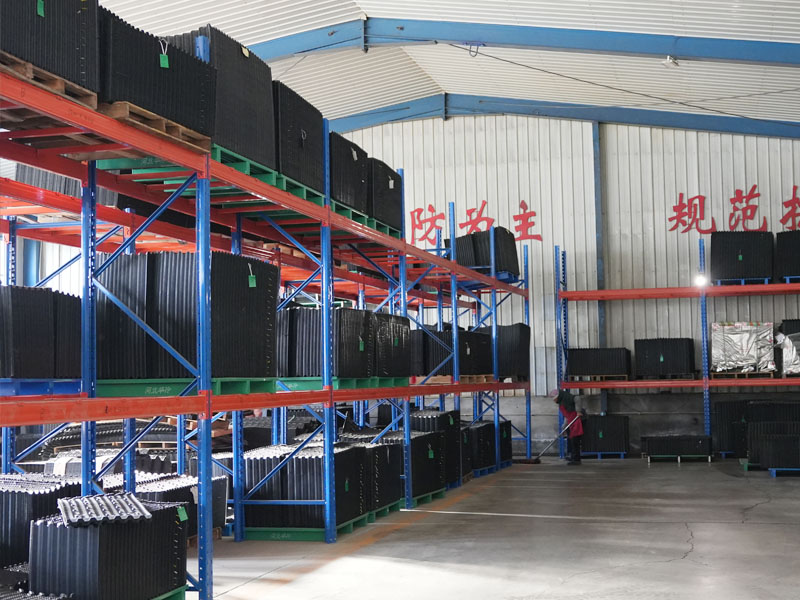
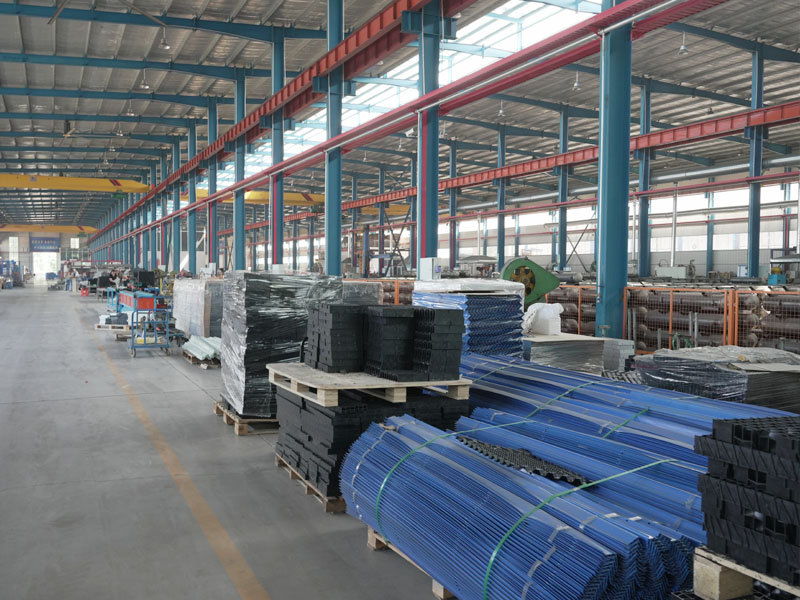
We have a large supermarket stock of cooling tower packing materials, with a variety of product specifications.
Provide customized cooling tower packing solutions to accurately match the needs of different brands of cooling tower projects.
Our experienced team provides comprehensive technical support to ensure timely and high-quality delivery of cooling tower packing orders.

The cooling tower fill from this supplier has significantly improved our system's efficiency. Installation was straightforward, and we've noticed a consistent temperature drop since switching to their product.
Plant Manager

Durability was our main concern, and this fill material has held up exceptionally well even in harsh conditions. It has reduced our maintenance cycles and downtime.
Operations Director

We needed a drop-in replacement for an older system. Their technical support helped us select the right fill, and the performance has exceeded our expectations.
Facilities Engineer

The fill blocks arrived well-packed and were easy to install. Our cooling tower now runs more quietly and with better heat dissipation.
Maintenance Supervisor

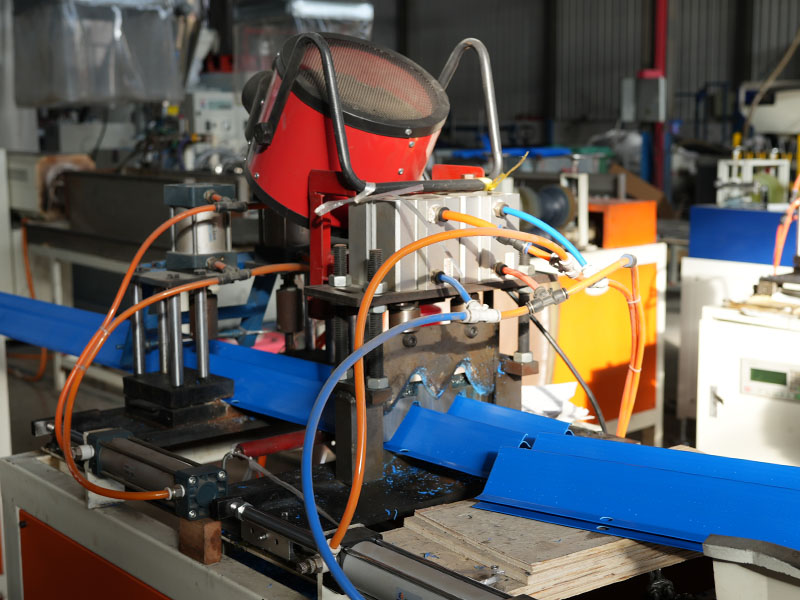
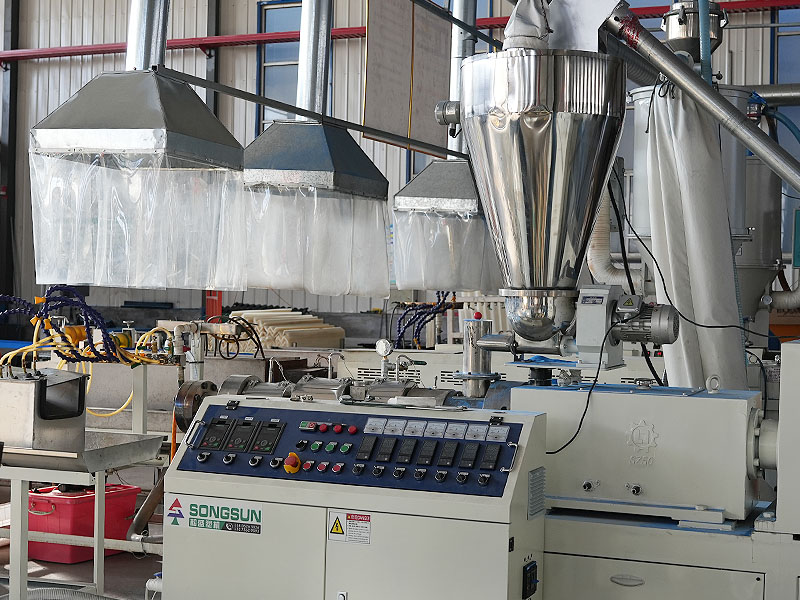
Hi friend, there is a cooling tower packing processing factory here, which has various specifications of cooling tower packing and can also be customized according to your requirements. Are you sure you don't want to come and take a look
Copyright © 2026.Company cooling tower fill factory All rights reserved.