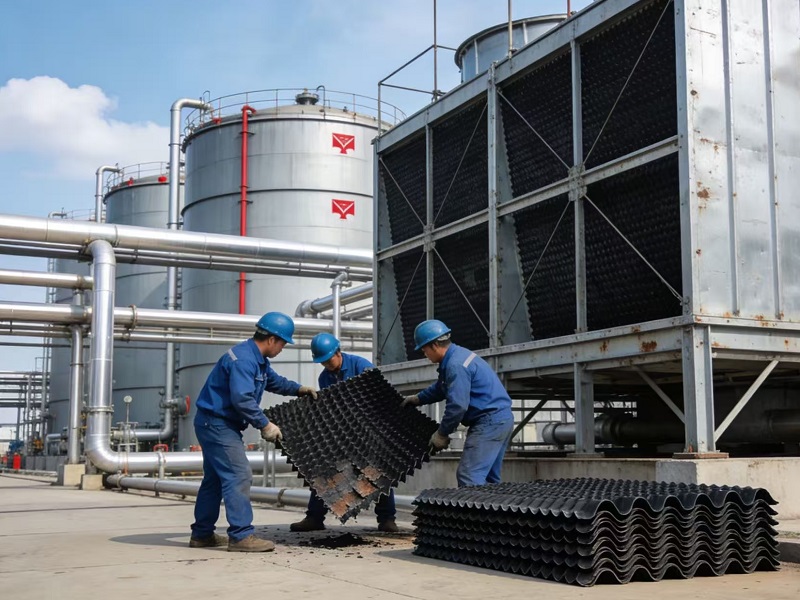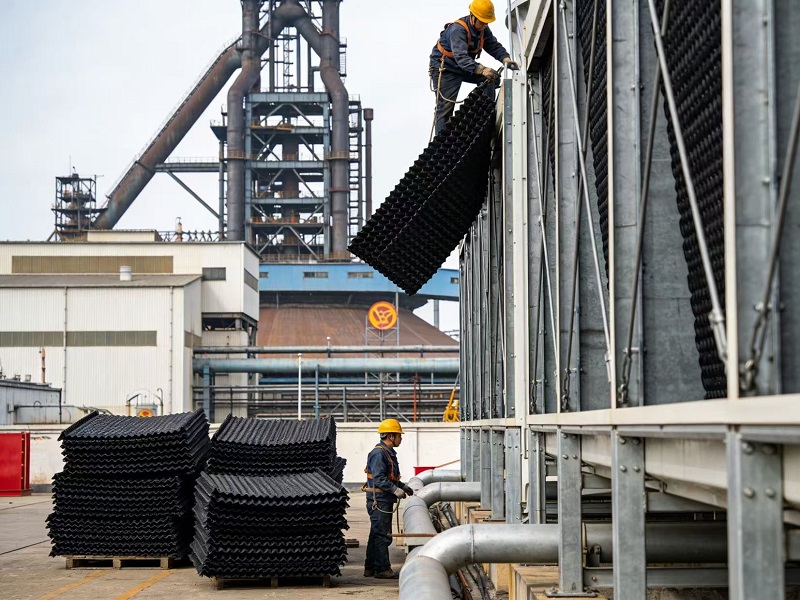
High temperature operation is one of the most challenging conditions for industrial cooling systems. When ambient temperature rises and process heat loads increase, the performance of Cooling Fill becomes a critical factor in maintaining stable cooling performance.
For industrial customers in Southeast Asia, the Middle East, and other hot climate regions, cooling towers often operate close to their design limits. Under these conditions, Cooling Tower Media must continuously handle high water temperature, strong evaporation, and long operating cycles.
From practical engineering experience, many cooling tower problems during summer operation are not caused by insufficient equipment capacity, but by unsuitable materials, aging tower fill, or poor system matching.
Cooling Tower Media works by increasing the contact area between hot water and airflow. The structure allows heat to transfer from water into air through evaporation.
When operating temperatures become higher, the fill material experiences greater thermal stress. At the same time, evaporation increases mineral concentration in circulating water, which can accelerate scaling and aging.
High temperature operation may lead to:
Continuous exposure to high temperature water can gradually affect the physical properties of cooling tower infill.
Some materials may become harder, weaker, or more easily damaged after long-term thermal cycling.
When the operating temperature exceeds the suitable range of the material, Cooling Fill structures may deform.
Deformation changes airflow passages and water distribution patterns, reducing overall cooling efficiency.
High evaporation rates increase mineral concentration inside circulating water.
Without proper water treatment, deposits can quickly accumulate on Cooling Tower Media surfaces.
During hot seasons, industrial processes often generate more heat. If the cooling system is already operating under stress, even small performance losses can affect production stability.
Film Fill is widely used because of its excellent heat transfer performance.
However, in high temperature environments, engineers need to carefully consider material resistance, water quality, and operating conditions before selection.
Corrugated Fill improves turbulence through its wave-shaped structure, increasing air and water interaction.
This design is suitable for many industrial applications where stable heat transfer is required.
CrossFluted Fill provides efficient heat exchange by creating multiple contact paths between air and water.
It is commonly selected for industrial cooling towers requiring a balance between performance and pressure drop.
Splash fill provides stronger tolerance against contaminated water and unstable operating conditions.
For high temperature systems with difficult water quality, splash designs can provide reliable operation.
PVC film fill is commonly used in standard cooling tower systems because it provides good thermal performance and economical cost.
For applications with controlled temperature and water quality, PVC remains a practical choice.
PP fill media provides improved temperature resistance and chemical stability.
For high temperature industrial environments, PP materials can help maintain structural stability during long-term operation.
Improving performance in high temperature conditions requires more than simply increasing equipment capacity.
Water collection and distribution components also influence cooling stability:
Cooling towers operating in hot climates require a more active maintenance approach.
Preventive maintenance helps avoid sudden efficiency drops during peak summer operation.
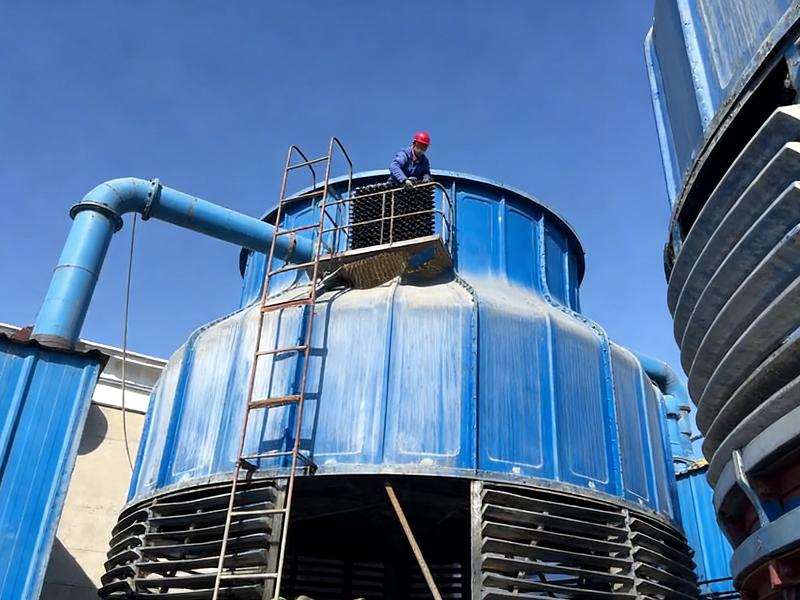
A petrochemical plant experienced reduced cooling capacity during extremely hot weather. Inspection showed that aging fill material had lost part of its heat transfer ability. After replacing the old Cooling Tower Media with a more suitable solution, system stability improved significantly.
A factory operated cooling towers continuously throughout the year. High evaporation rates caused frequent scaling problems. After improving water treatment and upgrading the Industrial Tower Fill, cooling performance increased by around 15**.
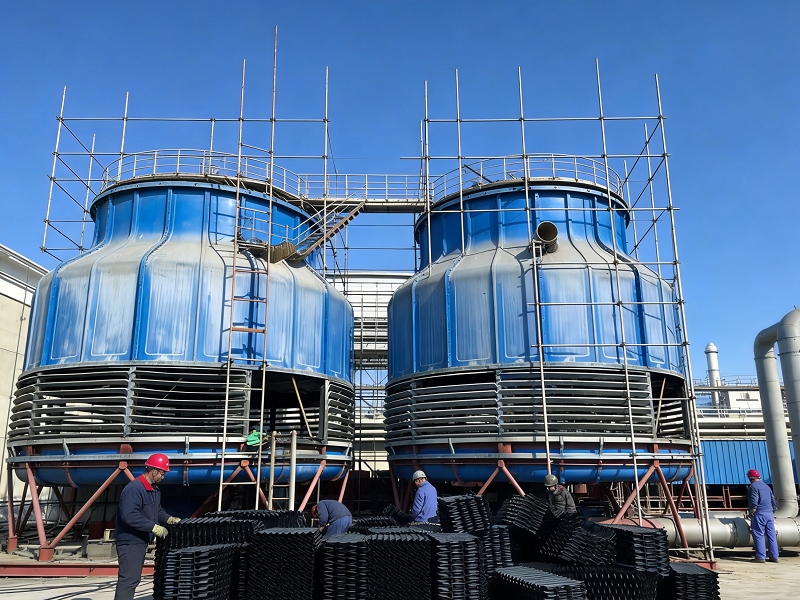
The cooling system experienced unstable outlet temperature during peak load periods. Engineering analysis found uneven airflow and aging tower fill were the main causes. After maintenance and fill replacement, operation became more stable.
For high temperature applications, selecting a supplier requires more attention to engineering experience rather than only product price.
A professional cooling tower fill supplier should understand:
For companies searching for a cooling tower fill replacement supplier, choosing the correct material and structure can significantly reduce future maintenance problems.
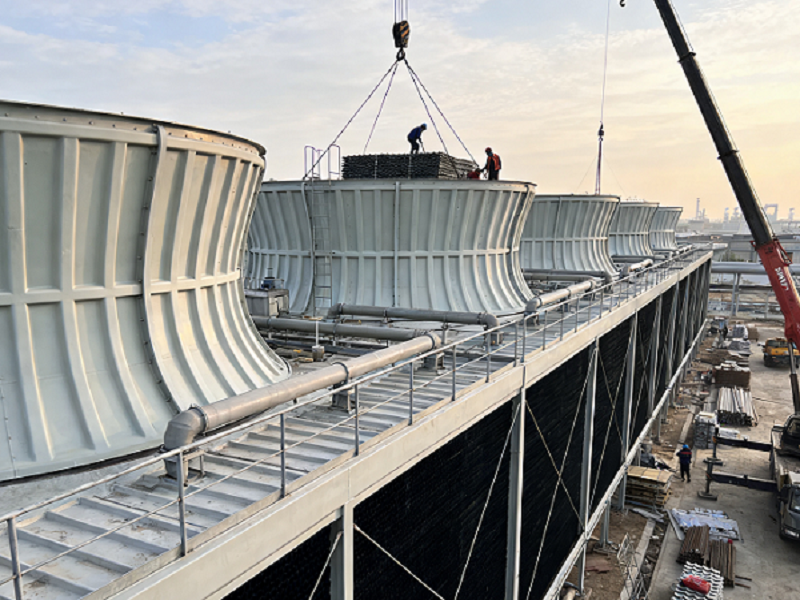
High temperature operation creates additional challenges for cooling tower systems. Without suitable Cooling Tower Fill selection and proper maintenance, heat transfer efficiency can gradually decline.
By choosing suitable materials such as PP fill media, maintaining water quality, and optimizing system operation, industrial users can improve cooling reliability even in demanding climates.
High temperature increases thermal stress, evaporation rate, and scaling risk inside the cooling system.
Yes, PP materials generally provide better temperature resistance for demanding applications.
Yes, aging or damaged fill can reduce heat transfer efficiency.
Proper maintenance, water treatment, and suitable fill selection improve summer performance.
Engineers should consider temperature, water quality, airflow, and cooling requirements.
This article is written from the perspective of an industrial cooling system engineer with more than 10 years of experience in Cooling Tower Fill selection, high temperature cooling applications, heat transfer optimization, and industrial cooling system improvement projects.
Precision design for efficient heat exchange. Improves cooling efficiency and reduces operating energy consumption.
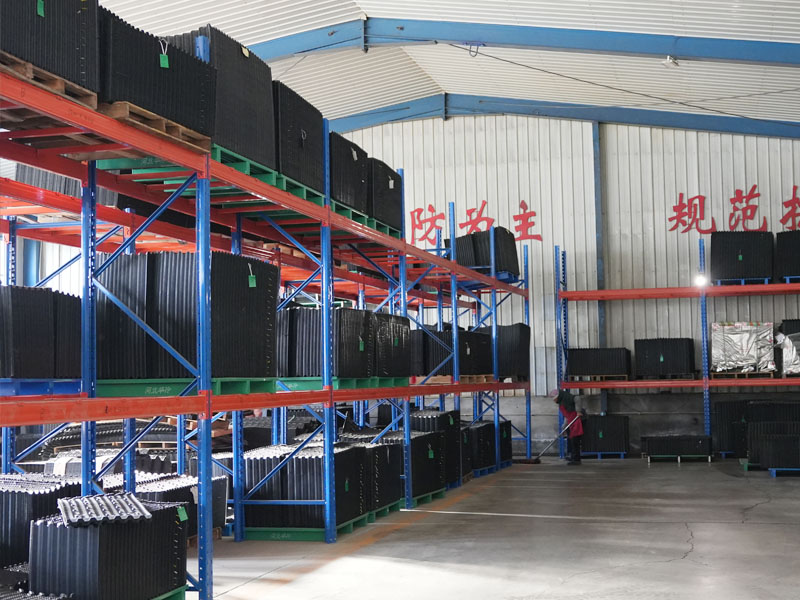
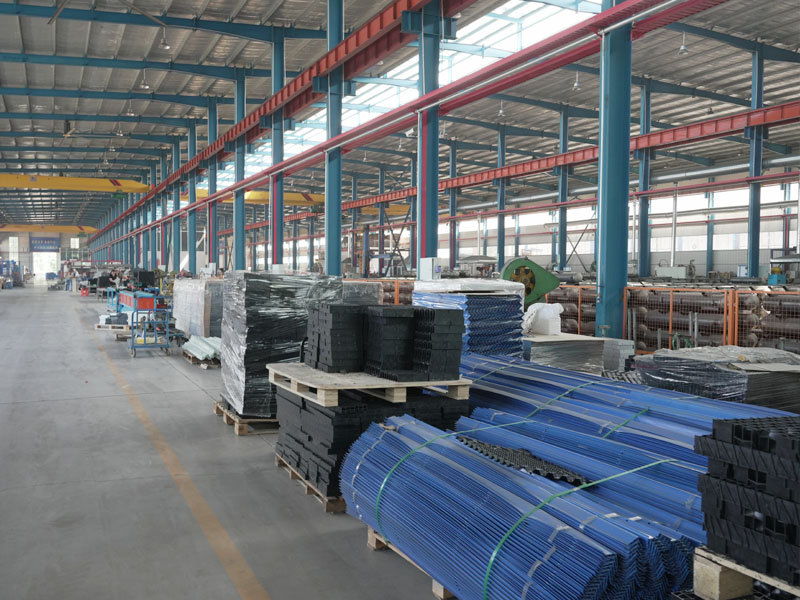
We have a large supermarket stock of cooling tower packing materials, with a variety of product specifications.
Provide customized cooling tower packing solutions to accurately match the needs of different brands of cooling tower projects.
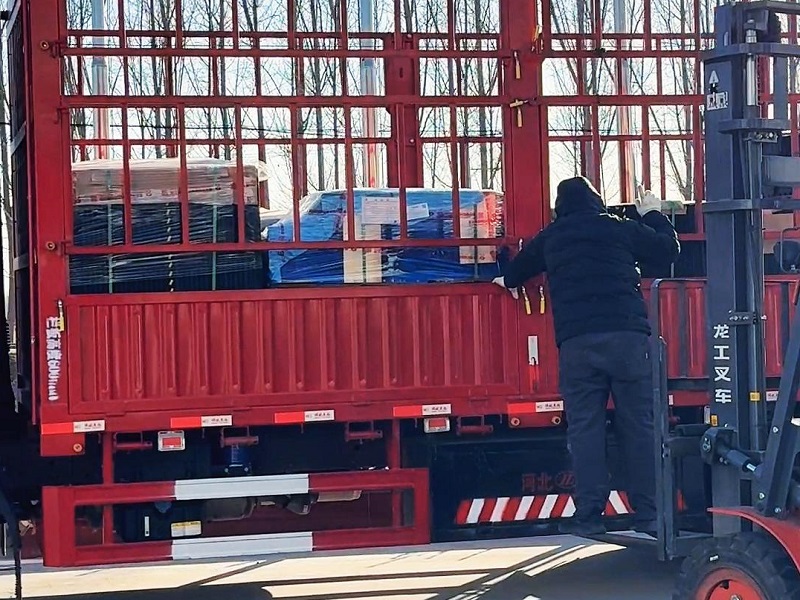
Our experienced team provides comprehensive technical support to ensure timely and high-quality delivery of cooling tower packing orders.

The cooling tower fill from this supplier has significantly improved our system's efficiency. Installation was straightforward, and we've noticed a consistent temperature drop since switching to their product.
Plant Manager

Durability was our main concern, and this fill material has held up exceptionally well even in harsh conditions. It has reduced our maintenance cycles and downtime.
Operations Director

We needed a drop-in replacement for an older system. Their technical support helped us select the right fill, and the performance has exceeded our expectations.
Facilities Engineer

The fill blocks arrived well-packed and were easy to install. Our cooling tower now runs more quietly and with better heat dissipation.
Maintenance Supervisor

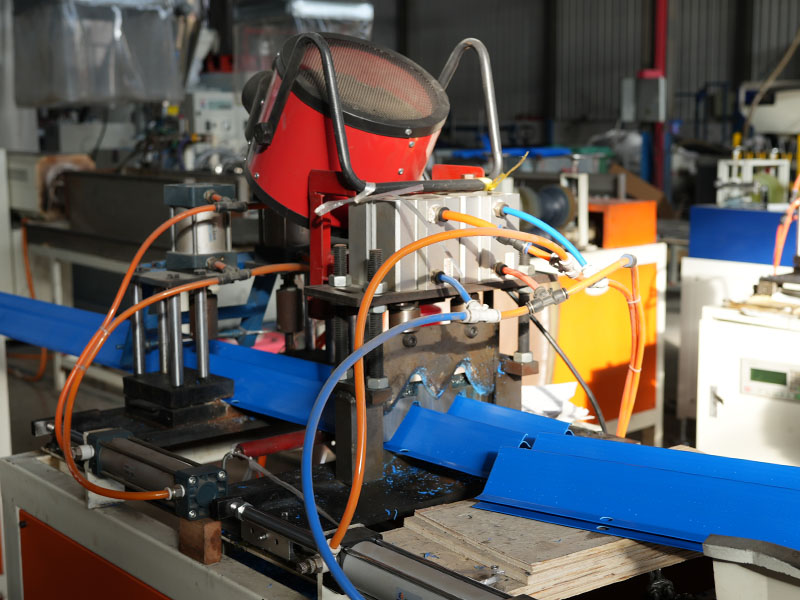
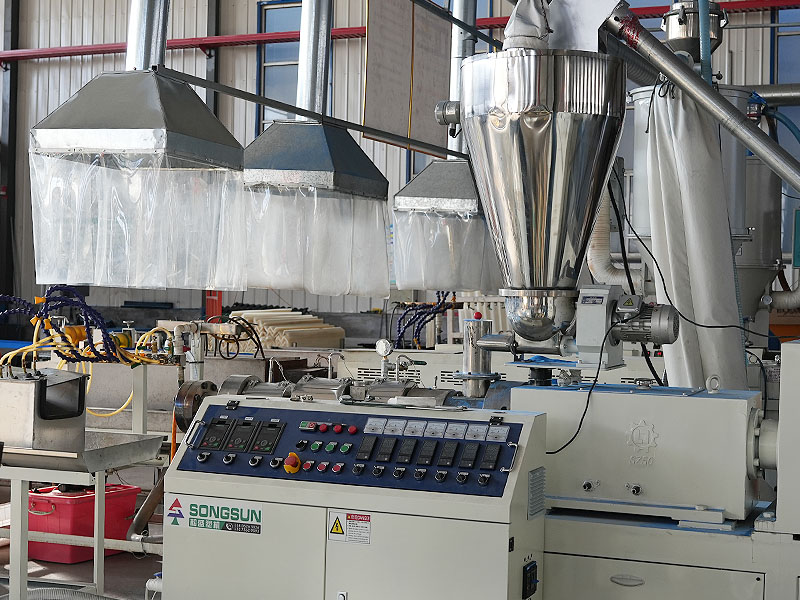
Hi friend, there is a cooling tower packing processing factory here, which has various specifications of cooling tower packing and can also be customized according to your requirements. Are you sure you don't want to come and take a look
Copyright © 2026.Company cooling tower fill factory All rights reserved.