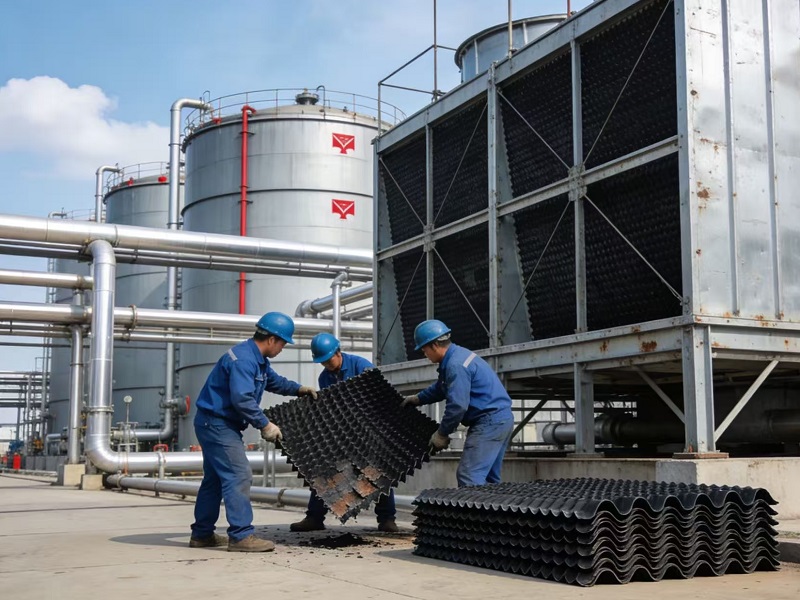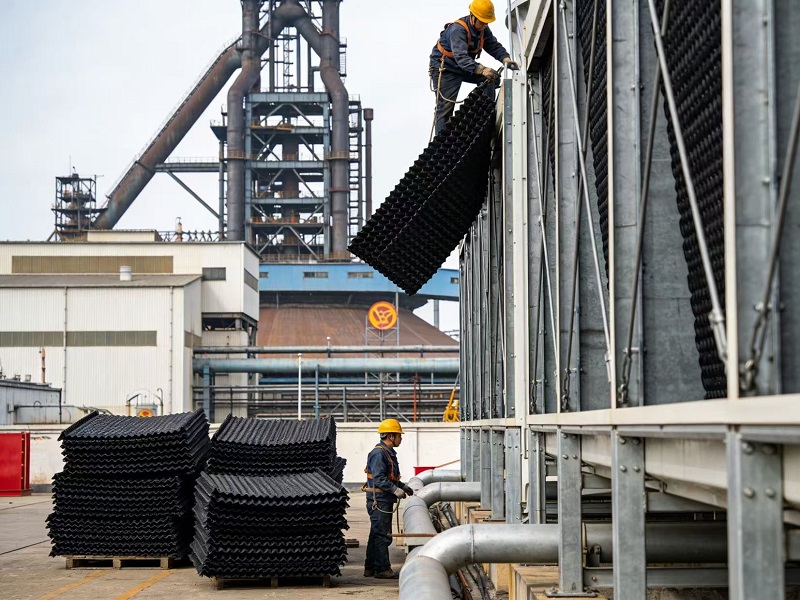
In many industrial facilities, cooling systems operate continuously for years with minimal shutdown time. While mechanical components are often inspected regularly, the internal Cooling Fill is frequently overlooked. Over time, material aging becomes one of the key hidden factors that reduces overall cooling efficiency.
For plants in Southeast Asia and Middle East regions, high temperature, UV exposure, and water chemistry accelerate the aging process of Cooling Tower Media. As the material degrades, system performance gradually declines without obvious early warning signs.
Cooling Tower Media is designed to maximize heat exchange between circulating water and airflow. It works by distributing water into thin films or droplets, increasing the contact surface area and allowing efficient evaporation.
The performance of cooling tower infill depends heavily on structural integrity and surface condition. Once aging affects these properties, heat transfer efficiency is reduced.
Film Fill provides high efficiency under clean water conditions, but is more sensitive to aging and deformation over time.
Splash Fill offers better durability and resistance to aging, especially in systems with unstable water quality.
Grid Fill is commonly used in heavy industrial environments due to its strong structure and long service life.
PVC is widely used due to cost efficiency and acceptable durability, but prolonged exposure to heat and UV can cause brittleness.
PP material provides better resistance to high temperatures and chemical corrosion, making it more suitable for demanding industrial applications.
Continuous exposure to high temperature can cause Cooling Tower Media to soften or deform, especially in PVC structures.
Outdoor cooling towers are exposed to sunlight, which gradually weakens material strength and surface stability.
Water treatment chemicals and impurities can slowly degrade the surface of cooling tower infill, reducing its lifespan.
Long-term water flow and vibration can cause structural fatigue, leading to cracks or partial collapse of fill modules.
Aging Cooling Fill does not fail suddenly. Instead, it leads to gradual efficiency loss, which is often misinterpreted as system load increase.
Common performance issues include:
Many facilities only consider cooling tower fill replacement supplier options after significant performance loss has already occurred.
From an engineering perspective, replacement should be considered when:
Working with an experienced cooling tower fill supplier ensures proper selection of materials and structure for long-term stability.
Replacing aging cooling tower infill is not just maintenance—it is a performance upgrade opportunity.
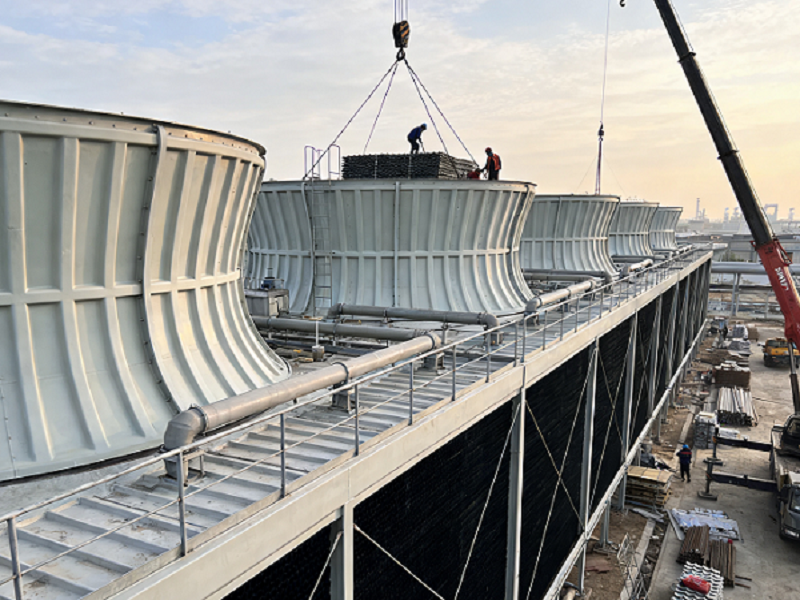
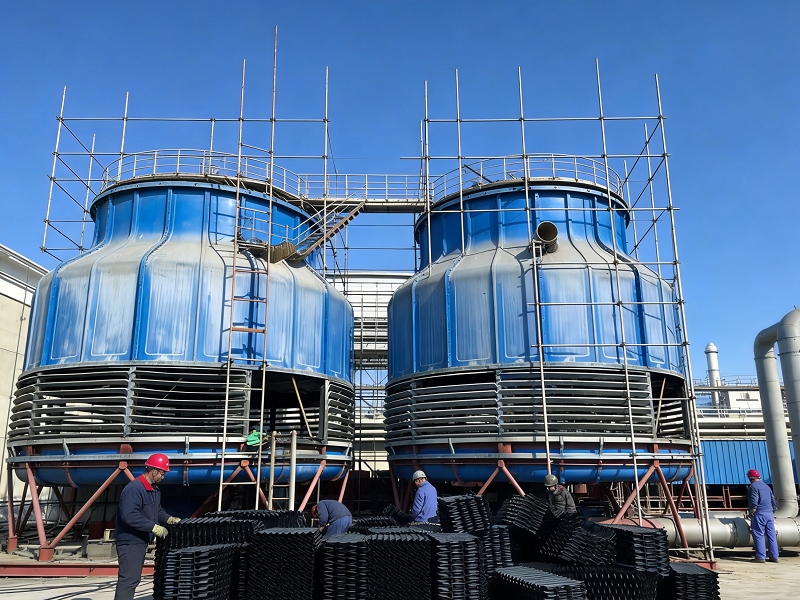
In many retrofit projects, combining new Cooling Tower Media with optimized water distribution components significantly improves results. Recommended components include:
These help improve water distribution consistency and reduce drift loss during operation.
Preventive maintenance is more cost-effective than emergency replacement.
After 5 years of operation, PVC Cooling Fill became brittle and partially collapsed. Replacement improved cooling efficiency by 18**.
High temperature caused deformation of standard fill media. Switching to PP Cooling Tower Media solved long-term stability issues.
Aging fill reduced airflow efficiency. After upgrading cooling tower infill, fan energy consumption decreased significantly.
Cooling Fill aging is an inevitable process, but its impact on system performance can be managed through proper material selection and maintenance planning.
Choosing the right Industrial Tower Fill solution helps extend service life and maintain stable cooling efficiency in demanding industrial environments.
Typically 3–8 years depending on material and operating conditions.
Brittleness, deformation, reduced efficiency, and uneven water distribution.
Minor issues can be cleaned, but structural aging usually requires replacement.
PP offers better resistance to high temperature and chemical exposure.
Partial replacement is possible, but full replacement ensures uniform performance.
This article is written by an industrial cooling system engineer with over 10 years of experience in cooling tower design, maintenance, and retrofit projects across global industrial markets.
Precision design for efficient heat exchange. Improves cooling efficiency and reduces operating energy consumption.
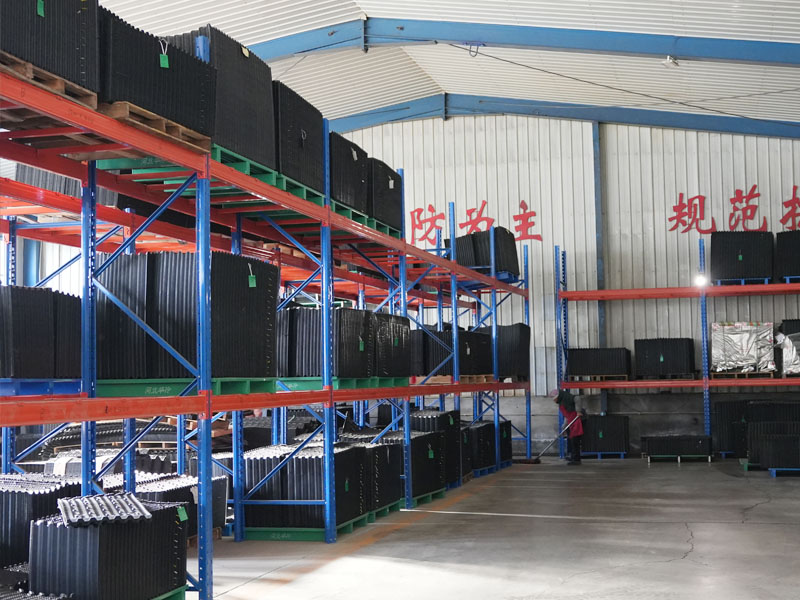
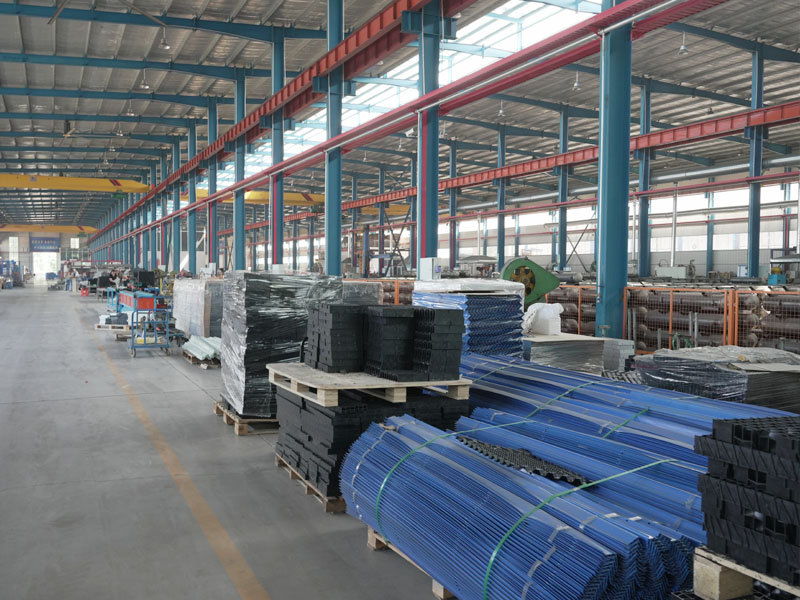
We have a large supermarket stock of cooling tower packing materials, with a variety of product specifications.
Provide customized cooling tower packing solutions to accurately match the needs of different brands of cooling tower projects.
Our experienced team provides comprehensive technical support to ensure timely and high-quality delivery of cooling tower packing orders.

The cooling tower fill from this supplier has significantly improved our system's efficiency. Installation was straightforward, and we've noticed a consistent temperature drop since switching to their product.
Plant Manager

Durability was our main concern, and this fill material has held up exceptionally well even in harsh conditions. It has reduced our maintenance cycles and downtime.
Operations Director

We needed a drop-in replacement for an older system. Their technical support helped us select the right fill, and the performance has exceeded our expectations.
Facilities Engineer

The fill blocks arrived well-packed and were easy to install. Our cooling tower now runs more quietly and with better heat dissipation.
Maintenance Supervisor

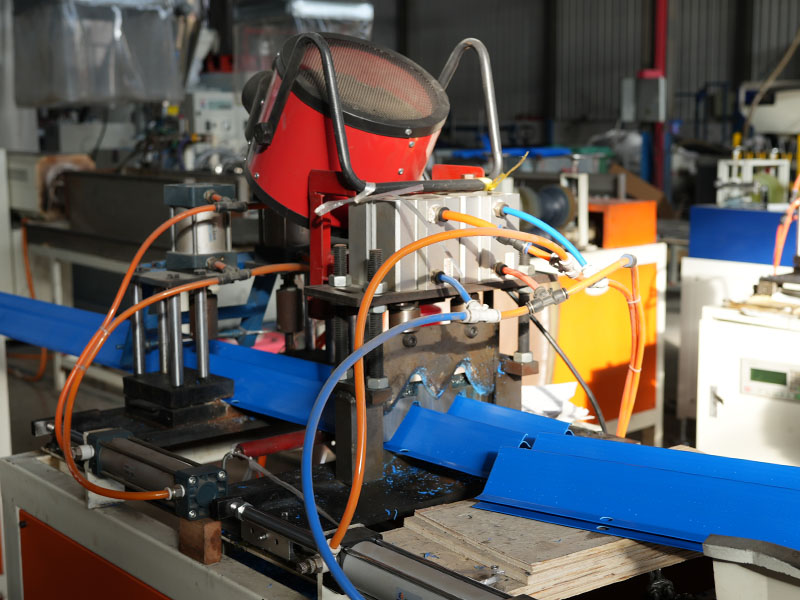
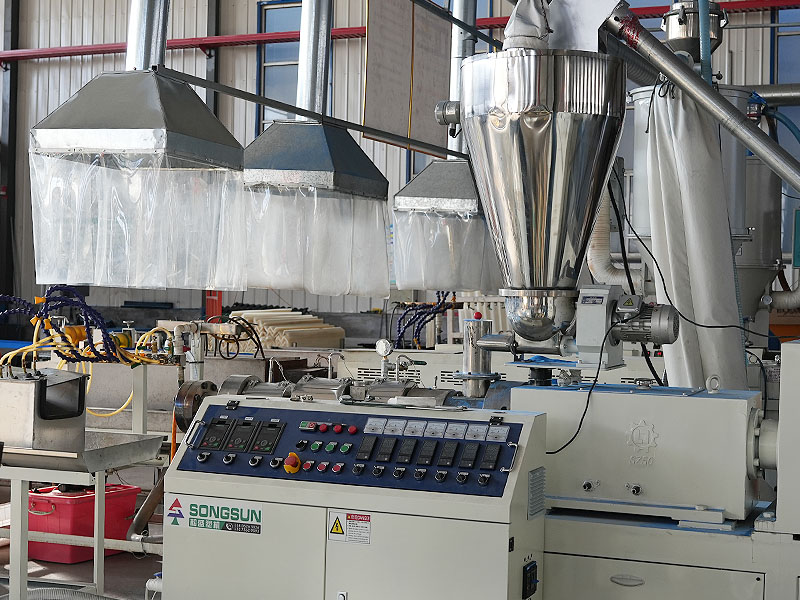
Hi friend, there is a cooling tower packing processing factory here, which has various specifications of cooling tower packing and can also be customized according to your requirements. Are you sure you don't want to come and take a look
Copyright © 2026.Company cooling tower fill factory All rights reserved.