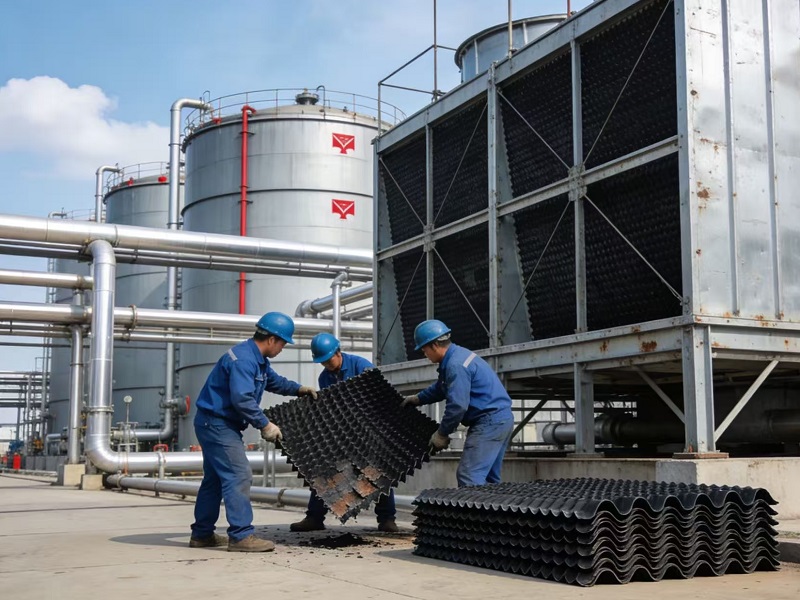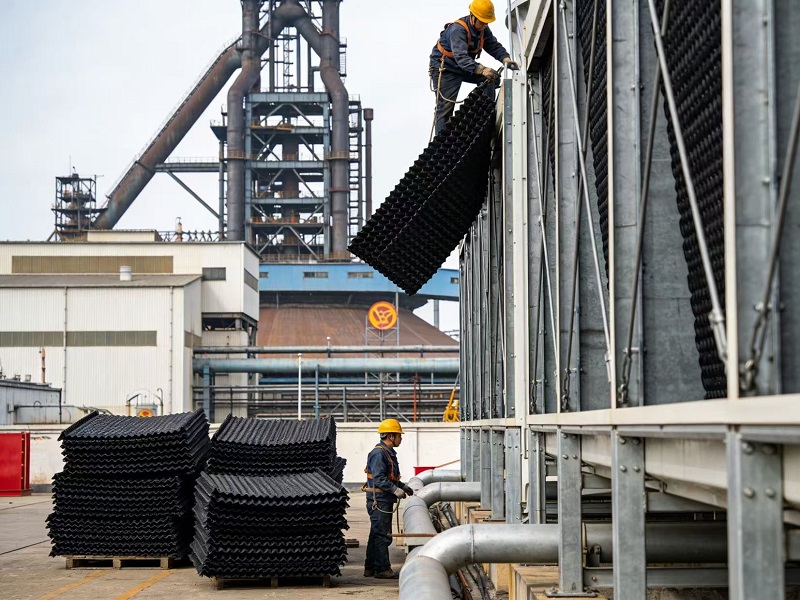
In industrial cooling tower systems, pressure drop is a key parameter that directly affects airflow, fan energy consumption, and overall cooling efficiency. When pressure drop across the Cooling Fill increases abnormally, it is often a sign of underlying operational problems.
In regions such as Southeast Asia and the Middle East, where cooling towers operate under heavy loads and challenging environmental conditions, pressure drop issues in Cooling Tower Media are frequently observed. If not addressed in time, they can lead to significant performance loss and higher operating costs.
Cooling Tower Media is designed to facilitate heat exchange by allowing air to pass through wetted surfaces. The resistance encountered by airflow while passing through cooling tower infill is known as pressure drop.
A properly designed system maintains an optimal balance between heat transfer efficiency and airflow resistance. Excessive pressure drop disrupts this balance.
Film Fill provides high efficiency but tends to have higher airflow resistance due to its dense structure.
Splash Fill has lower resistance and is more suitable for systems with high contamination levels.
Designed to reduce pressure drop while maintaining adequate heat transfer performance.
PVC Cooling Tower Media is commonly used, but deformation or fouling can increase airflow resistance.
PP material maintains structural stability under high temperatures, helping to keep pressure drop within acceptable limits.
Deposits on Cooling Fill surfaces reduce open مساحة and restrict airflow.
Biofilm accumulation blocks channels and increases resistance.
Heat or mechanical stress can distort cooling tower infill, narrowing airflow passages.
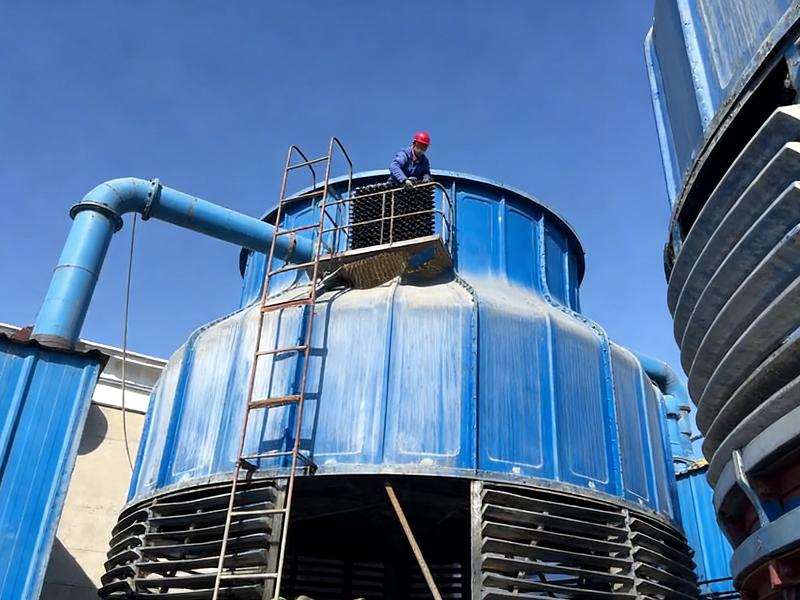
Dust, leaves, and industrial particles can clog the fill structure.
Increased pressure drop leads to several operational challenges:
In many cases, operators increase fan speed to compensate, which further raises energy costs without resolving the root cause.
Managing pressure drop requires both proper design and regular maintenance.
Water distribution components also contribute to system stability:
Regular monitoring helps detect issues early and prevents severe performance loss.
Heavy dust accumulation increased pressure drop significantly. Cleaning restored airflow and improved efficiency by 12**.
Scaling caused airflow restriction. Chemical treatment reduced deposits and stabilized system performance.
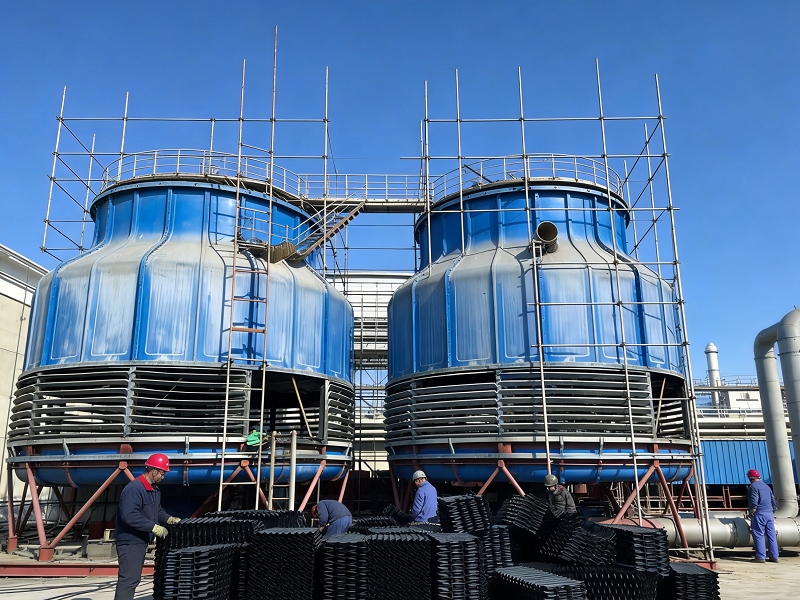
Deformed cooling tower infill increased resistance. Replacing with PP Cooling Tower Media improved airflow and reduced energy consumption.
Pressure drop is a critical indicator of cooling tower health. Abnormal increases often signal issues such as fouling, deformation, or poor maintenance.
By selecting the right Industrial Tower Fill, maintaining clean operating conditions, and monitoring system parameters, operators can ensure efficient and stable cooling performance.
It is the resistance to airflow through Cooling Fill.
Fouling, scaling, deformation, and debris accumulation.
Higher resistance requires more fan power, increasing energy use.
Yes, through cleaning, proper design, and material selection.
Regularly, especially in high-load or contaminated environments.
This article is written by an industrial cooling system engineer with over 10 years of experience in airflow management, system diagnostics, and cooling tower optimization.
Precision design for efficient heat exchange. Improves cooling efficiency and reduces operating energy consumption.
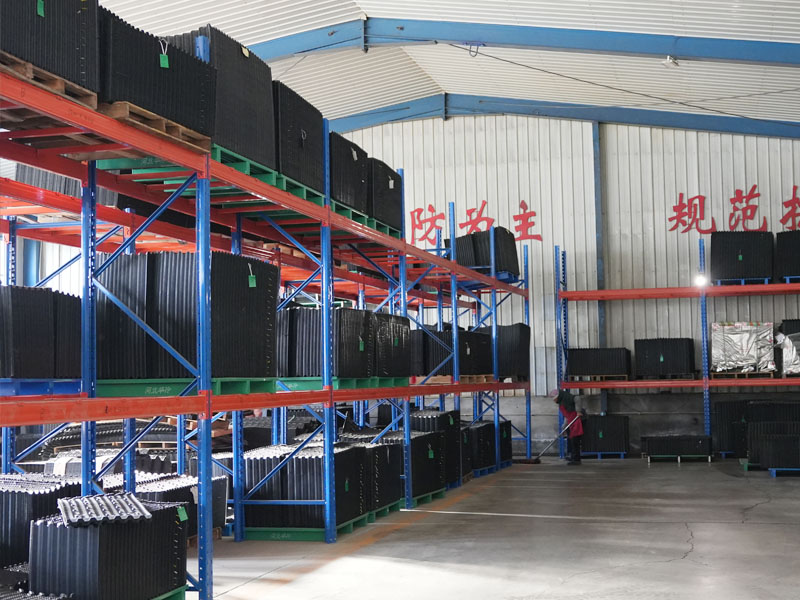
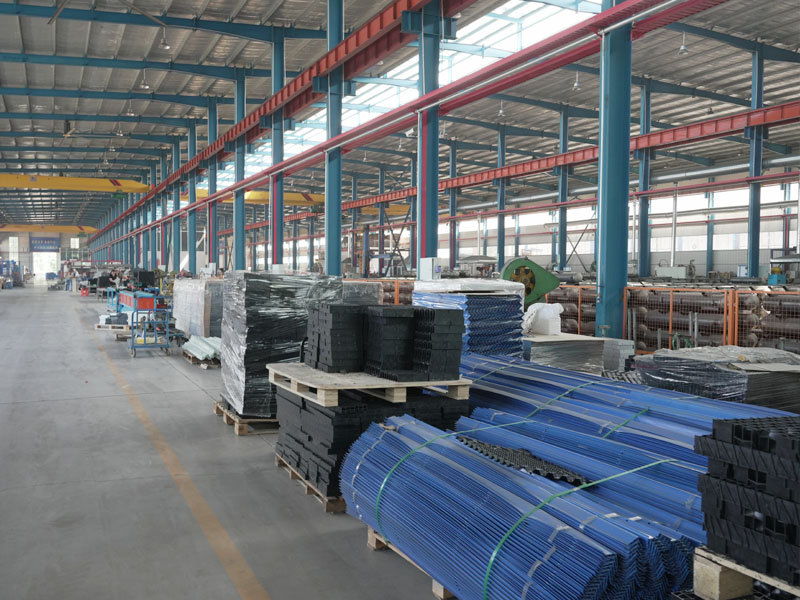
We have a large supermarket stock of cooling tower packing materials, with a variety of product specifications.
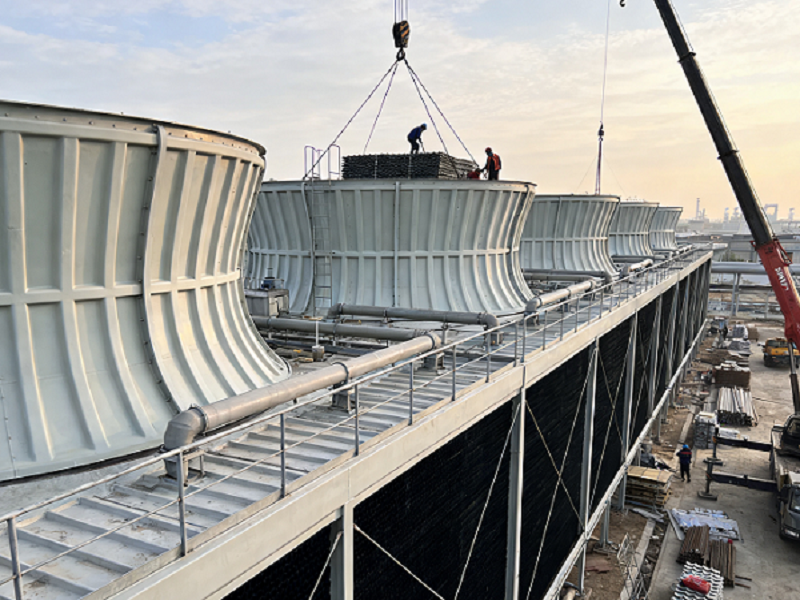
Provide customized cooling tower packing solutions to accurately match the needs of different brands of cooling tower projects.
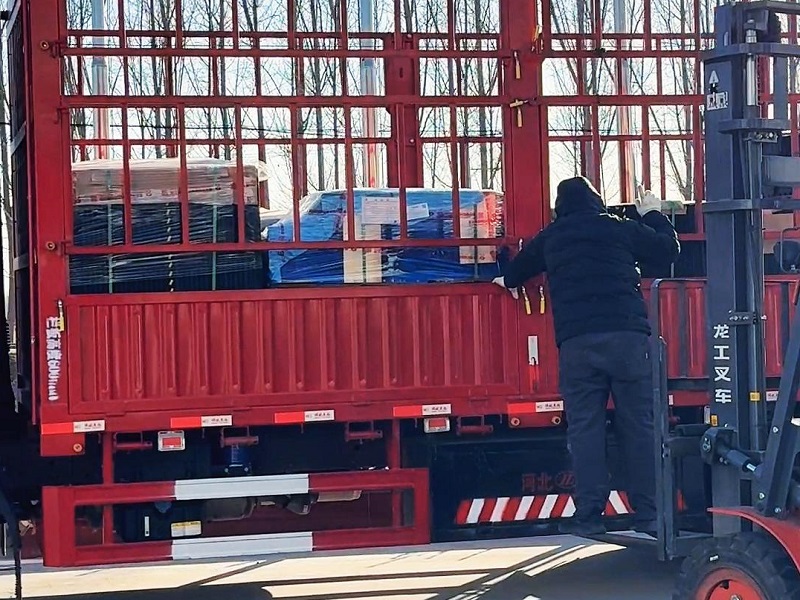
Our experienced team provides comprehensive technical support to ensure timely and high-quality delivery of cooling tower packing orders.

The cooling tower fill from this supplier has significantly improved our system's efficiency. Installation was straightforward, and we've noticed a consistent temperature drop since switching to their product.
Plant Manager

Durability was our main concern, and this fill material has held up exceptionally well even in harsh conditions. It has reduced our maintenance cycles and downtime.
Operations Director

We needed a drop-in replacement for an older system. Their technical support helped us select the right fill, and the performance has exceeded our expectations.
Facilities Engineer

The fill blocks arrived well-packed and were easy to install. Our cooling tower now runs more quietly and with better heat dissipation.
Maintenance Supervisor

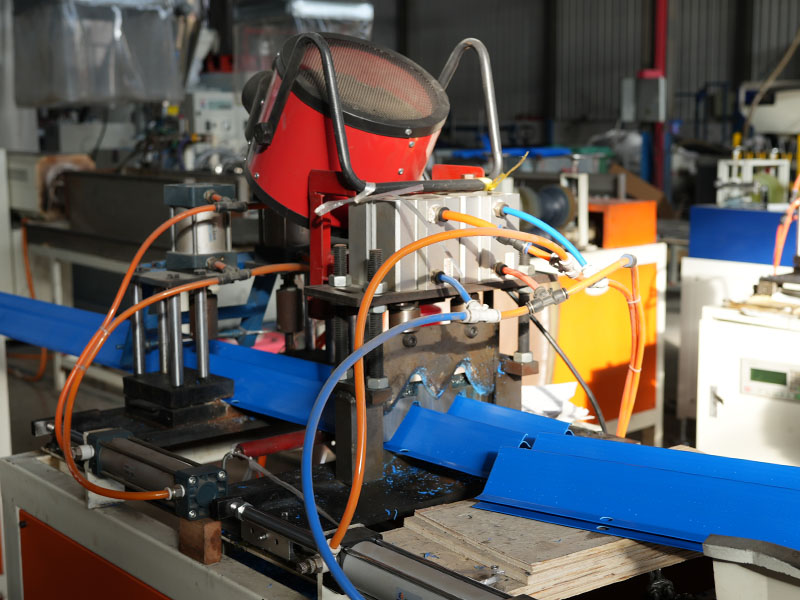
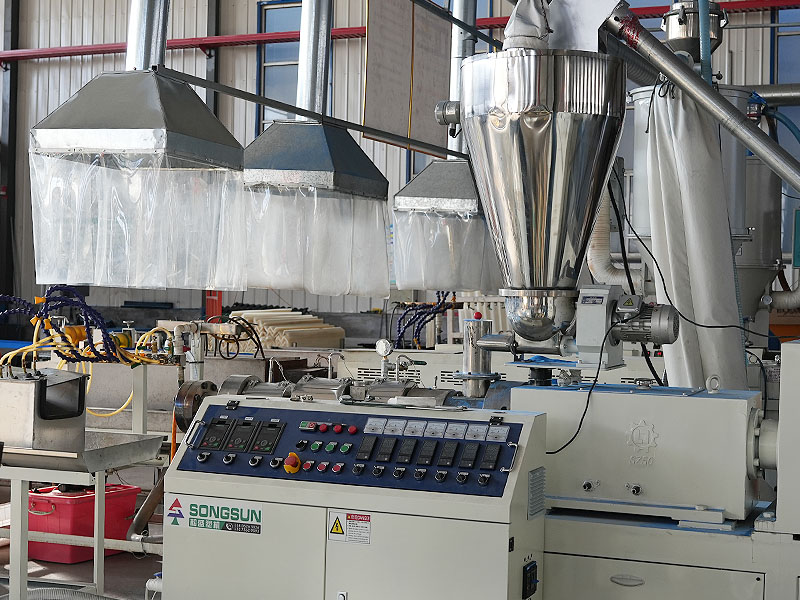
Hi friend, there is a cooling tower packing processing factory here, which has various specifications of cooling tower packing and can also be customized according to your requirements. Are you sure you don't want to come and take a look
Copyright © 2026.Company cooling tower fill factory All rights reserved.