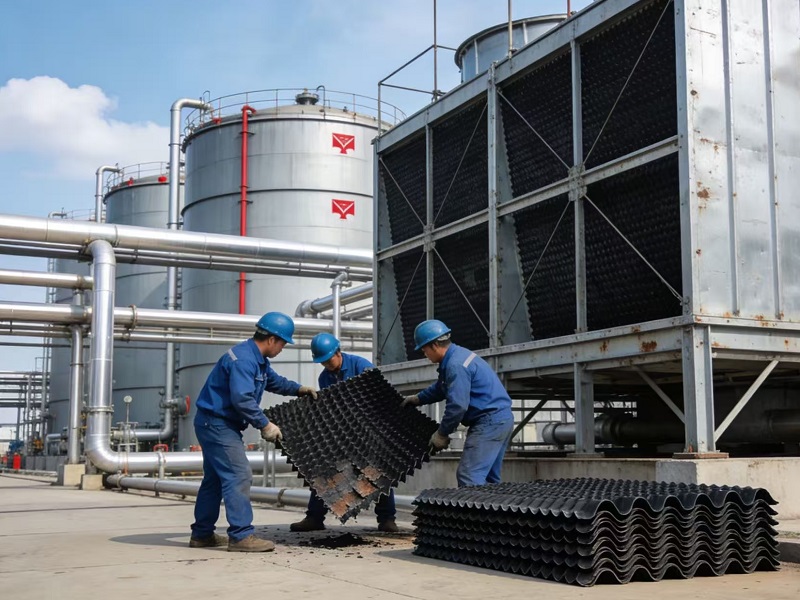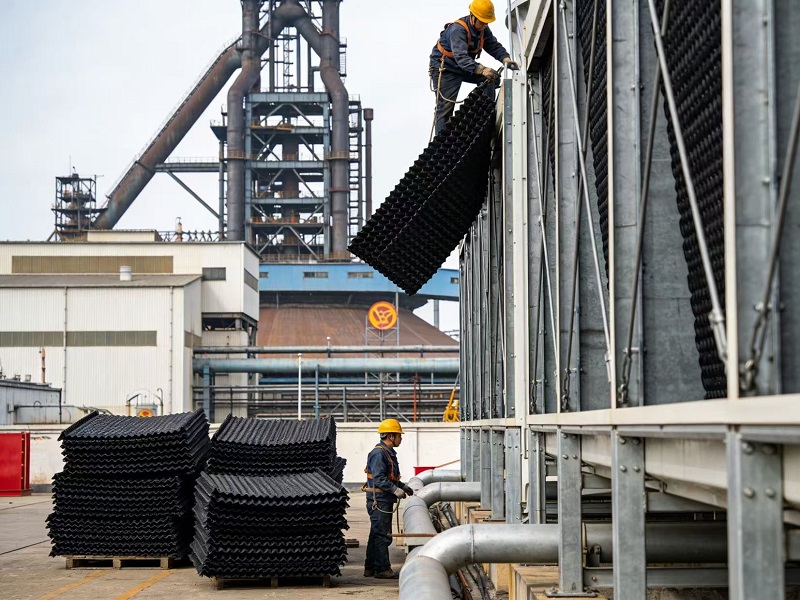
In industrial cooling systems, performance loss is usually slow and easy to ignore. Operators often notice higher energy consumption, unstable outlet temperature, or reduced cooling capacity. In most real cases, the issue is not mechanical failure of the tower, but internal blockage and fouling of the Cooling Fill.
In Southeast Asia and Middle East plants, this situation is even more common because of high mineral content in water, dust in the air, and long continuous operating cycles. Once Cooling Tower Media starts to scale or clog, system efficiency drops immediately.
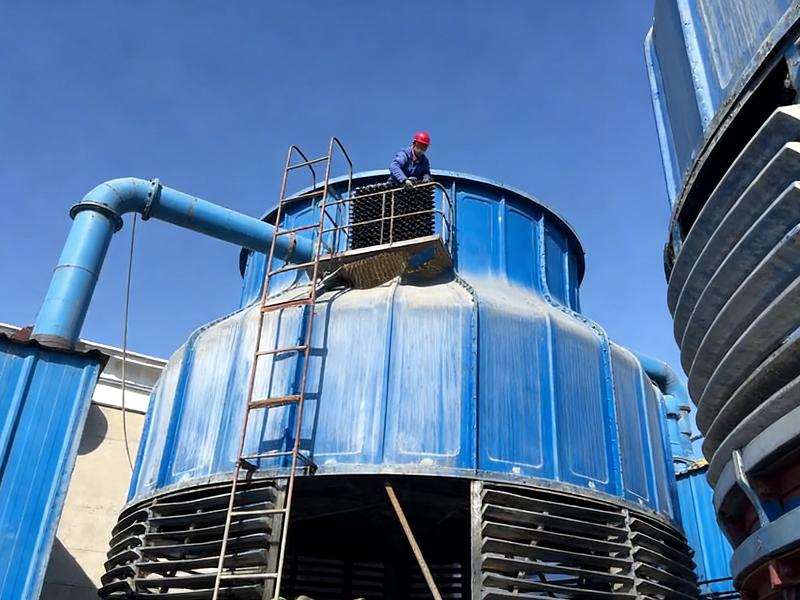
Cooling Tower Media is the internal heat exchange structure used in evaporative cooling systems. It increases contact between air and water to improve heat transfer efficiency.
Its function depends on three key mechanisms:
If cooling tower infill becomes blocked or coated with scale, thermal performance drops significantly even if the rest of the system is operating normally.
Film Fill is used in systems with relatively clean water. It creates a thin water film over structured surfaces to maximize heat transfer efficiency.
Splash Fill works by breaking water into droplets through repeated impact. It performs better in dirty water conditions and reduces clogging risk.
Corrugated Fill provides a balance between airflow resistance and structural strength, making it suitable for large industrial cooling towers.
PVC is widely used in Cooling Tower Media due to its cost advantage and stable performance in normal temperature environments.
PP fill media is designed for high temperature and chemically aggressive environments where PVC materials may deform or degrade over time.
In real industrial operation, Cooling Fill failure is mostly caused by two main mechanisms: scaling and clogging.
Scaling occurs when dissolved minerals in water crystallize and deposit on Cooling Tower Media surfaces. Over time, this reduces effective heat transfer area and increases airflow resistance.
Clogging happens when suspended solids, algae, or biological matter accumulate inside fill channels. This blocks airflow paths and disrupts water distribution.
Both problems directly reduce Cooling Fill efficiency and increase system energy consumption.
Field data shows that scaling and clogging can reduce cooling efficiency by 10**–35** depending on severity. In some poorly maintained systems, performance degradation can happen within a single operating season.
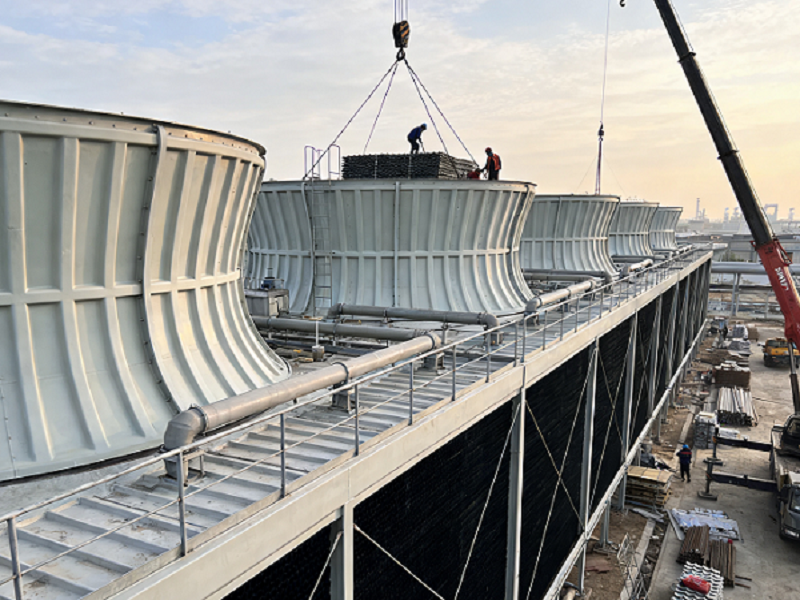
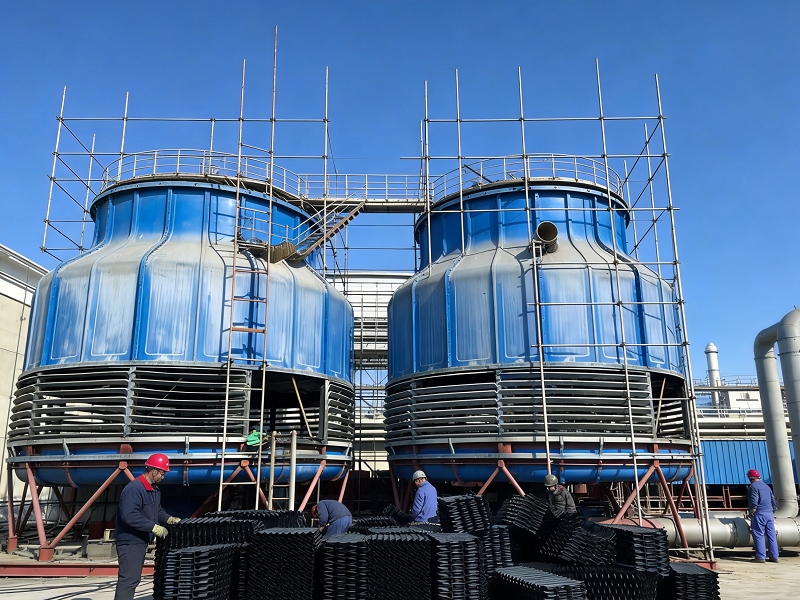
Replacing old cooling tower infill with properly designed structured fill can restore part of the lost performance, especially when combined with water treatment optimization.
Supporting water distribution components such as:
help stabilize water flow and reduce drift loss, improving overall system performance.
In engineering practice, prevention is always more effective than repair. Cooling tower fill supplier recommendations usually focus on three areas:
For example, high contamination systems should avoid fine-channel film structures and instead use splash-type cooling tower infill designs.
Good maintenance planning reduces long-term operational cost significantly compared to emergency shutdown repairs.
Severe scaling caused gradual efficiency loss. After cleaning and partial replacement of Cooling Fill, system efficiency improved by 16**.
High mineral water caused rapid scaling on Cooling Tower Media. Switching to PP fill media reduced deformation and improved long-term stability.
Heavy suspended solids caused serious clogging. Switching to splash-type cooling tower infill significantly reduced blockage frequency.
Scaling and clogging are the two most common failure modes in Cooling Fill systems. Understanding their formation mechanism helps engineers choose better materials and maintenance strategies.
A properly selected Industrial Tower Fill system can significantly improve cooling stability and reduce energy consumption in long-term operation.
Mineral precipitation from hard water is the main cause.
Suspended solids, algae, and debris accumulation inside fill channels.
Light scaling can be cleaned, but severe scaling usually requires replacement.
Splash Fill performs better in dirty water conditions.
Typically every 6–12 months depending on water quality.
This article is written by an industrial cooling system engineer with over 10 years of field experience in cooling tower optimization, troubleshooting, and retrofit projects across Asia and the Middle East.
Precision design for efficient heat exchange. Improves cooling efficiency and reduces operating energy consumption.
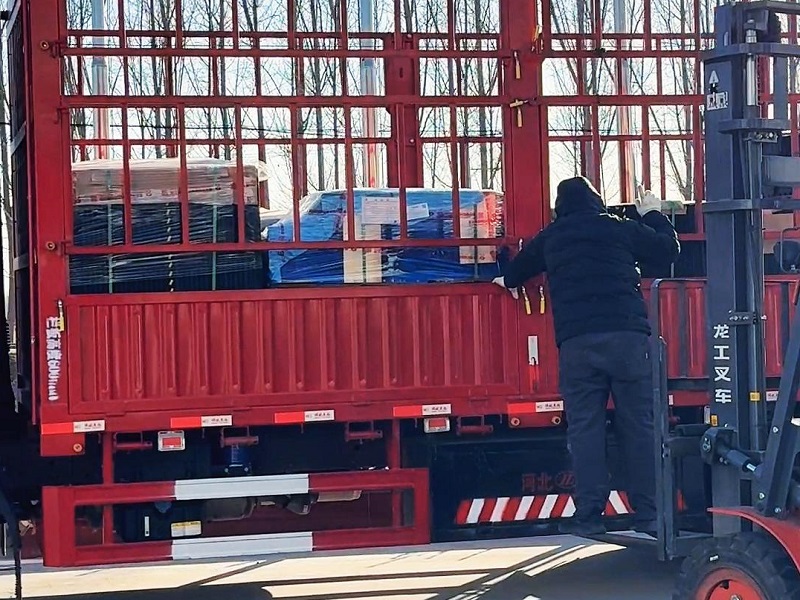
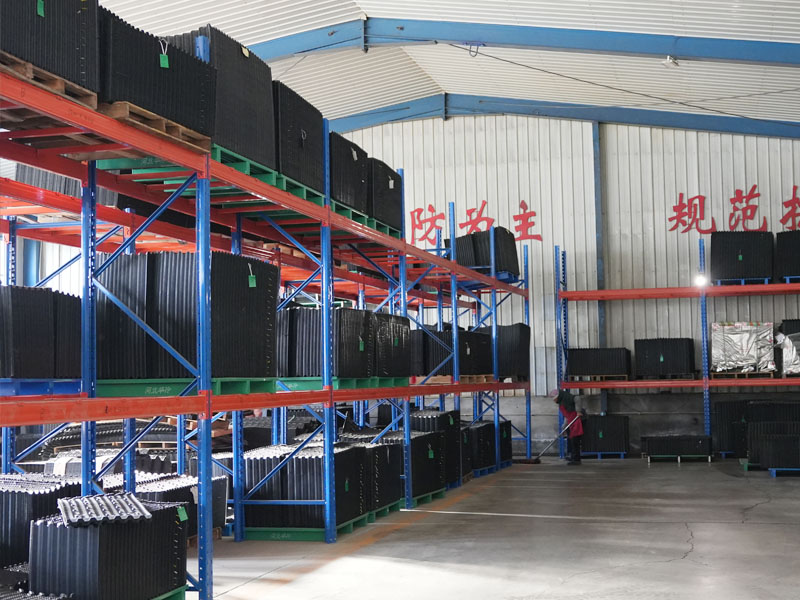
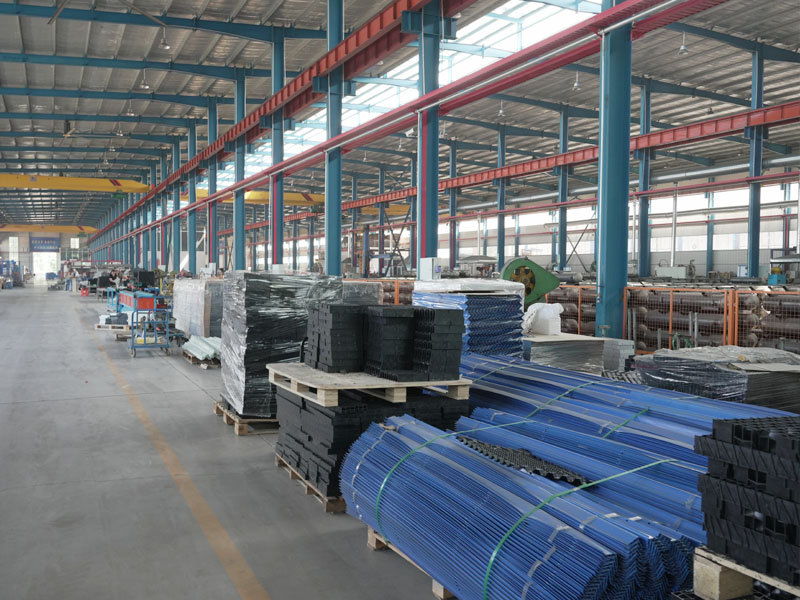
We have a large supermarket stock of cooling tower packing materials, with a variety of product specifications.
Provide customized cooling tower packing solutions to accurately match the needs of different brands of cooling tower projects.
Our experienced team provides comprehensive technical support to ensure timely and high-quality delivery of cooling tower packing orders.

The cooling tower fill from this supplier has significantly improved our system's efficiency. Installation was straightforward, and we've noticed a consistent temperature drop since switching to their product.
Plant Manager

Durability was our main concern, and this fill material has held up exceptionally well even in harsh conditions. It has reduced our maintenance cycles and downtime.
Operations Director

We needed a drop-in replacement for an older system. Their technical support helped us select the right fill, and the performance has exceeded our expectations.
Facilities Engineer

The fill blocks arrived well-packed and were easy to install. Our cooling tower now runs more quietly and with better heat dissipation.
Maintenance Supervisor

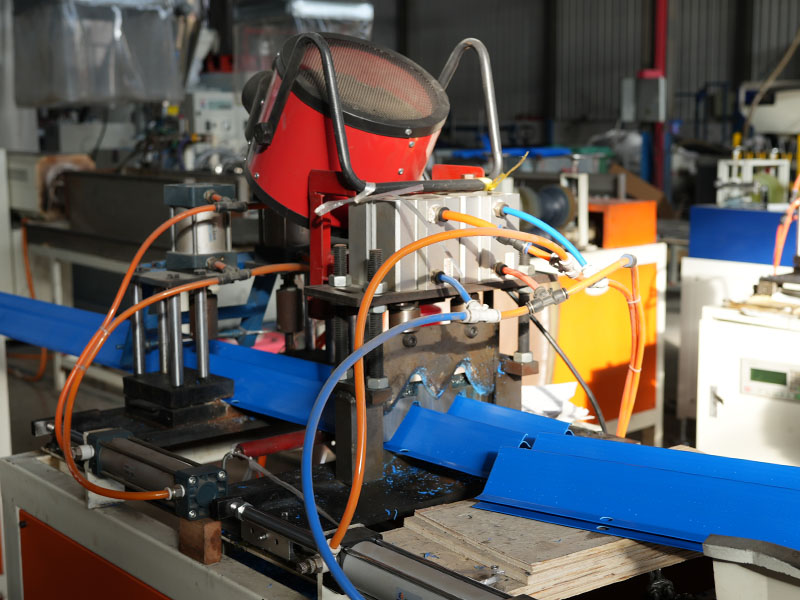
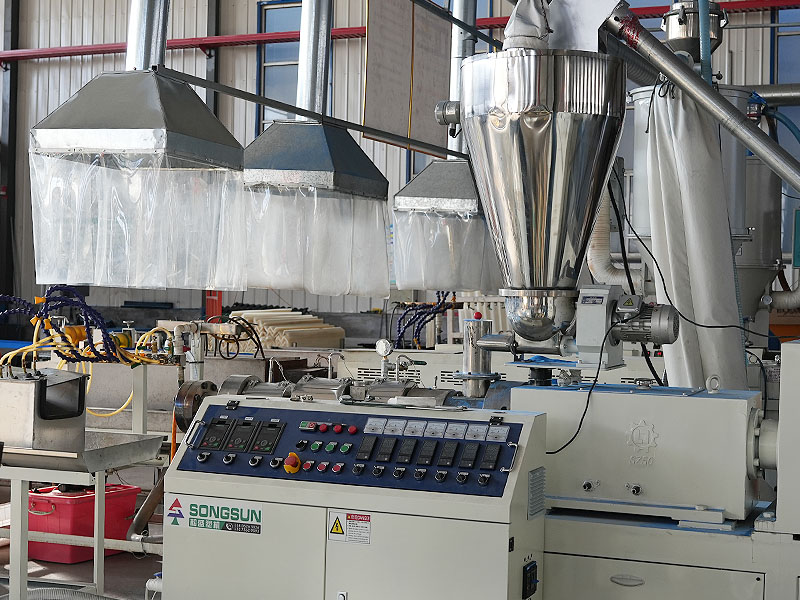
Hi friend, there is a cooling tower packing processing factory here, which has various specifications of cooling tower packing and can also be customized according to your requirements. Are you sure you don't want to come and take a look
Copyright © 2026.Company cooling tower fill factory All rights reserved.