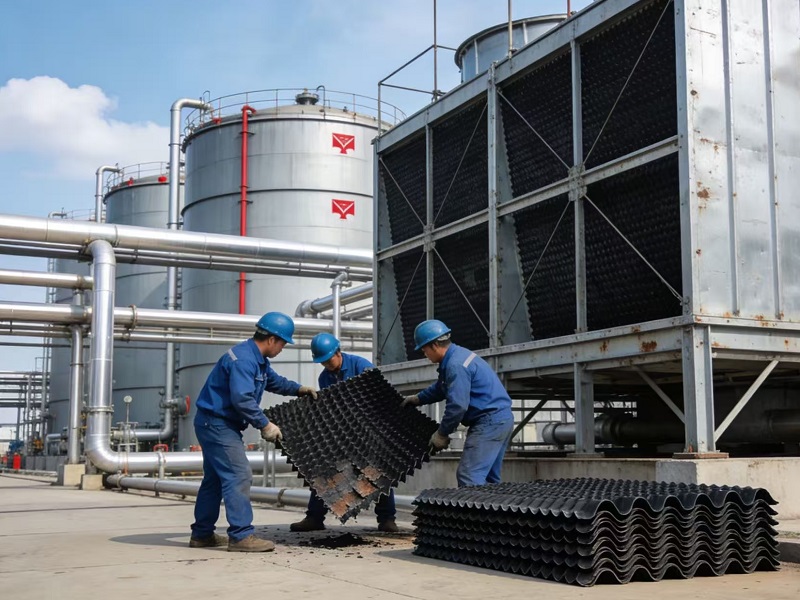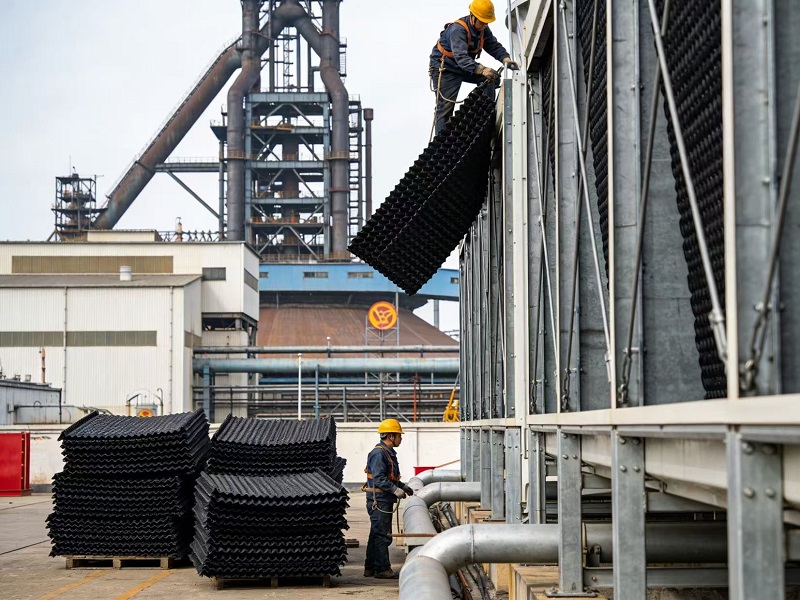
In industrial cooling tower operation, water quality is one of the key factors that determines how long a system can maintain stable performance. Many cooling problems are not caused by equipment failure but by gradual changes inside the heat exchange section. Poor water quality can directly reduce the efficiency of Cooling Fill and shorten the service life of internal components.
For industrial plants in Southeast Asia, the Middle East, and other regions with high temperatures, cooling towers often operate for long hours under heavy loads. In these conditions, Cooling Tower Media needs to handle continuous water circulation, mineral deposits, suspended solids, and biological growth.
Understanding the relationship between water quality and cooling tower performance helps engineers select suitable cooling tower infill materials, improve maintenance plans, and reduce unexpected downtime.
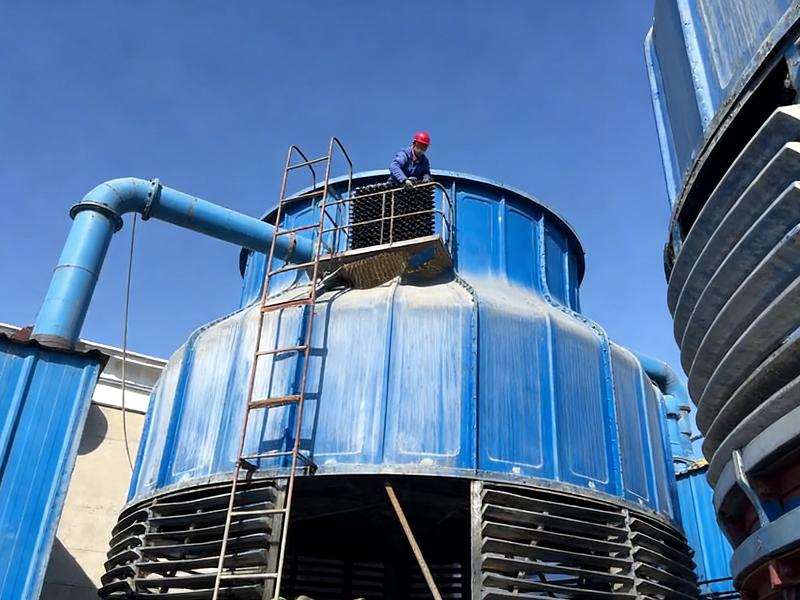
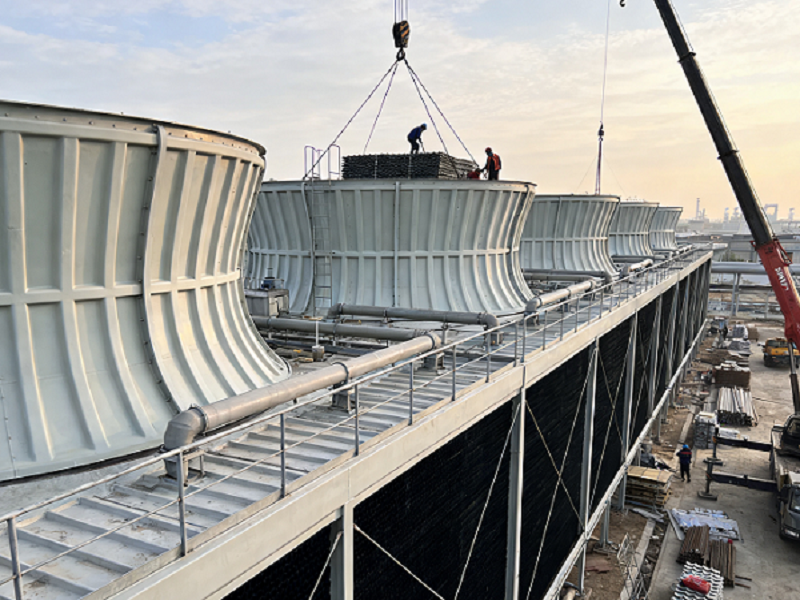
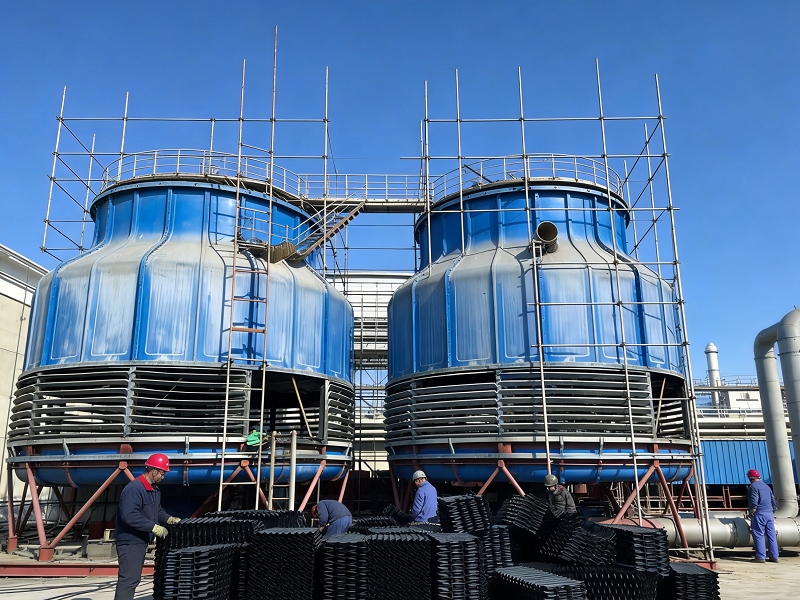
Cooling Tower Media works by creating a large contact area between water and air. The efficiency of this process depends on keeping the fill surface clean and maintaining proper water flow channels.
When circulating water contains excessive minerals, impurities, or microorganisms, deposits gradually build up on the surface of tower fill. These deposits reduce effective heat transfer areas and prevent air and water from contacting efficiently.
A well-designed tower fill system can provide excellent performance, but even the best design requires suitable water management to maintain long-term efficiency.
Scaling is one of the most common problems affecting Cooling Tower Fill. Minerals such as calcium carbonate can accumulate on the surface of fill sheets, creating a hard layer that blocks heat transfer.
Once scaling develops, the airflow path becomes narrower and water distribution becomes less uniform. In serious cases, the system may experience higher energy consumption and reduced cooling capacity.
Cooling towers provide a suitable environment for algae and microorganisms because of constant moisture and suitable temperatures.
Biological growth can cover the surface of Cooling Tower Media, causing blockage and reducing the efficiency of Film Fill structures.
Dust, sand, and industrial particles can enter the circulation system and accumulate inside cooling tower infill.
This problem is especially common in desert areas, coastal regions, and industrial zones where airborne particles are high.
Film Fill is widely used because of its high heat transfer efficiency. It creates thin water films across the surface, increasing air-water contact.
However, Film Fill requires relatively clean water conditions because narrow channels are more sensitive to clogging and scaling.
Splash fill breaks water into droplets instead of forming continuous water films. This structure provides better tolerance when water contains more suspended solids.
For wastewater cooling systems or applications with higher contamination levels, splash designs may provide more stable operation.
Corrugated Fill uses specially designed surfaces to improve turbulence and water distribution. The structure helps increase heat transfer while maintaining reasonable resistance.
CrossFluted Fill is commonly selected for industrial applications because its cross-pattern structure improves air and water interaction.
This design helps maintain efficient cooling performance when the operating environment changes frequently.
PVC film fill is widely used in cooling tower applications because it offers good heat transfer performance and cost efficiency.
For normal industrial water systems with proper treatment, PVC film fill can provide reliable operation for many years.
PP fill media provides better resistance to chemical exposure and higher temperature conditions.
For industries with demanding operating environments, PP materials can provide improved durability and long-term stability.
From engineering experience, many plants replace tower fill before identifying the real cause of performance decline. In some cases, the problem is not the structure of Cooling Tower Media itself but poor water management.
Improving water quality can often extend the replacement cycle of cooling tower infill and maintain stable operating performance.
In practical projects, engineers usually combine several methods instead of relying on only one solution.
Related components can also influence water distribution performance:
A simple inspection schedule can help identify problems before they affect production processes.
A factory experienced increasing outlet water temperature after several years of operation. Inspection showed that mineral deposits covered large areas of Film Fill. After cleaning and improving water treatment, cooling efficiency recovered by approximately 15**.
The cooling tower operated in a high-temperature environment with high evaporation rates. The original fill system suffered from rapid scaling. After changing maintenance methods and selecting more suitable Industrial Tower Fill, the system achieved more stable operation.
The cooling system used recycled water containing more suspended particles. The original tower fill frequently experienced blockage. After optimizing filtration and selecting a suitable tower fill structure, maintenance frequency was reduced significantly.
Modern industrial users are paying more attention to total operating cost instead of only initial purchase price.
A suitable Cooling Tower Fill solution should consider:
This approach helps engineers choose a cooling solution that matches actual working conditions.
Water quality has a direct influence on Cooling Tower Fill performance. Scaling, biological growth, and suspended solids can gradually reduce heat transfer efficiency and increase operating costs.
By selecting the right Cooling Tower Media, maintaining proper water treatment, and monitoring system conditions, industrial users can achieve more stable cooling performance.
For engineers and purchasing teams looking for a reliable cooling tower fill supplier or cooling tower fill replacement supplier, understanding the actual operating environment is the first step toward choosing the right solution.
Poor water quality causes scaling, blockage, and biological growth, reducing heat transfer efficiency.
Film Fill works best with cleaner water. Systems with higher contamination may require alternative structures.
Regular inspection helps detect scaling and blockage before they reduce system performance.
The best choice depends on temperature, chemical conditions, and operating environment.
Proper fill selection, water treatment, and maintenance are the main methods.
This article is written from the perspective of an industrial cooling system engineer with more than 10 years of experience in Cooling Tower Fill selection, cooling performance optimization, and industrial heat exchange applications across different regions.
Precision design for efficient heat exchange. Improves cooling efficiency and reduces operating energy consumption.
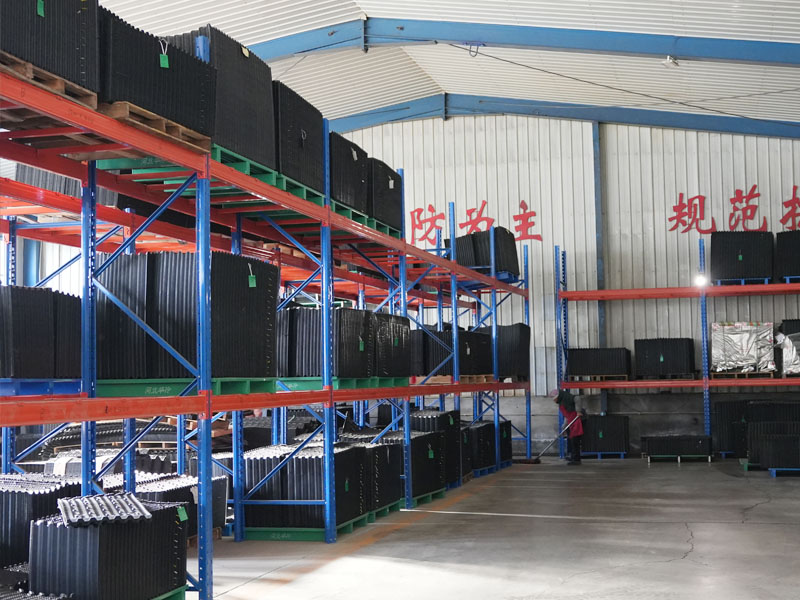
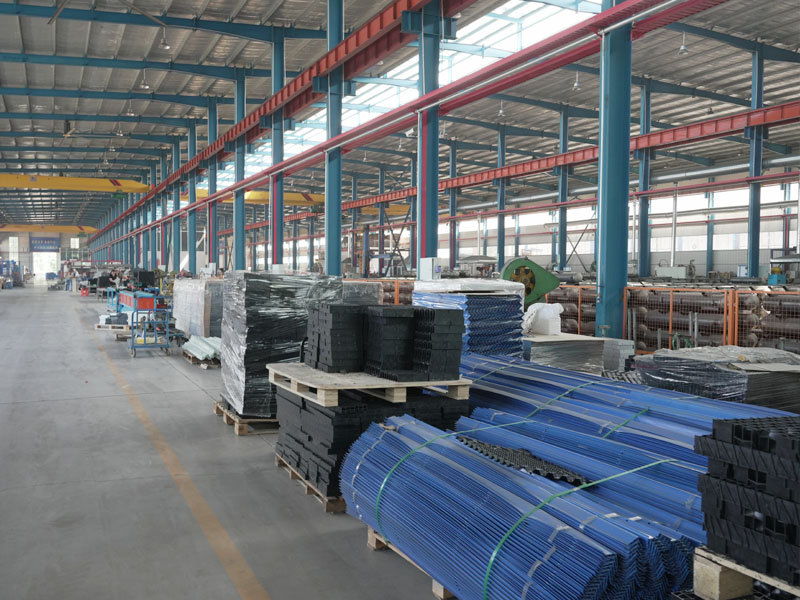
We have a large supermarket stock of cooling tower packing materials, with a variety of product specifications.
Provide customized cooling tower packing solutions to accurately match the needs of different brands of cooling tower projects.
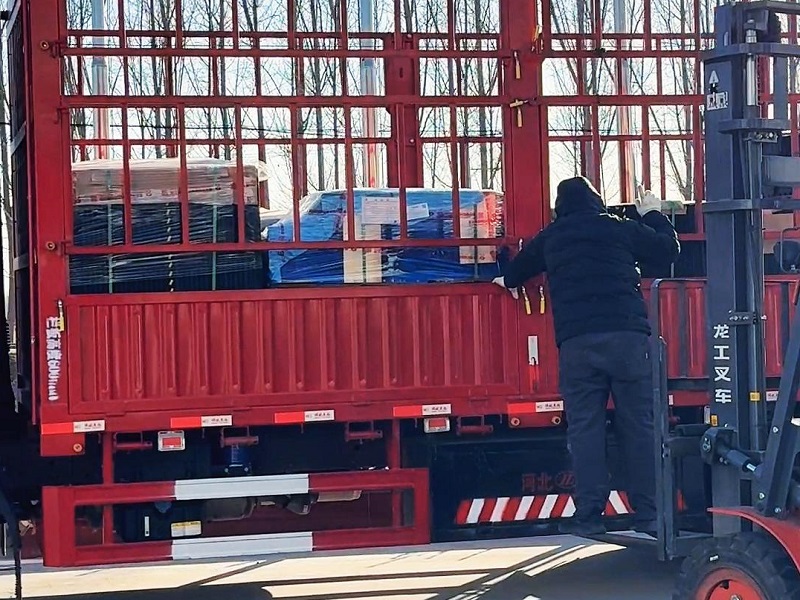
Our experienced team provides comprehensive technical support to ensure timely and high-quality delivery of cooling tower packing orders.

The cooling tower fill from this supplier has significantly improved our system's efficiency. Installation was straightforward, and we've noticed a consistent temperature drop since switching to their product.
Plant Manager

Durability was our main concern, and this fill material has held up exceptionally well even in harsh conditions. It has reduced our maintenance cycles and downtime.
Operations Director

We needed a drop-in replacement for an older system. Their technical support helped us select the right fill, and the performance has exceeded our expectations.
Facilities Engineer

The fill blocks arrived well-packed and were easy to install. Our cooling tower now runs more quietly and with better heat dissipation.
Maintenance Supervisor

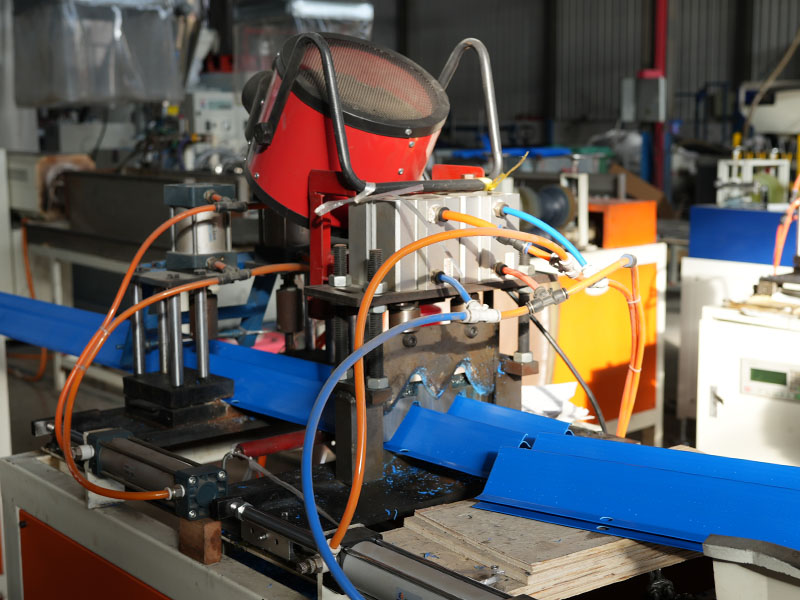
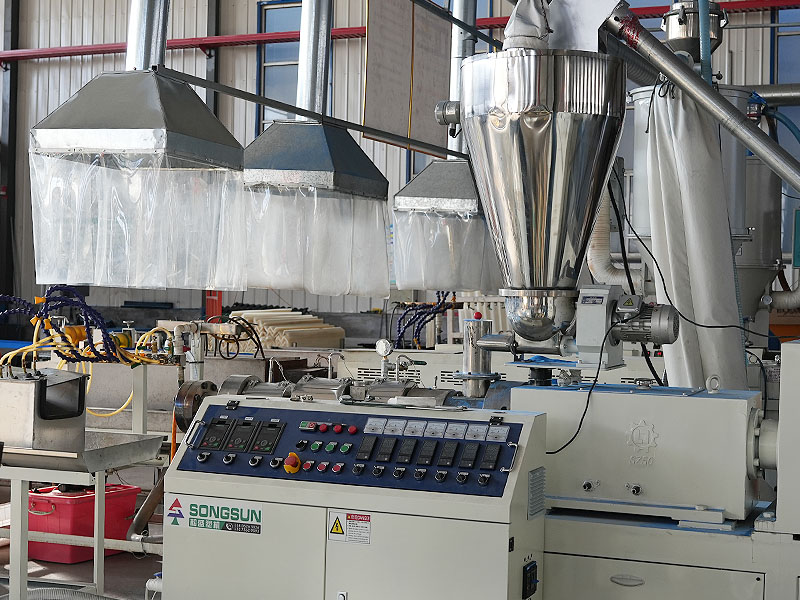
Hi friend, there is a cooling tower packing processing factory here, which has various specifications of cooling tower packing and can also be customized according to your requirements. Are you sure you don't want to come and take a look
Copyright © 2026.Company cooling tower fill factory All rights reserved.