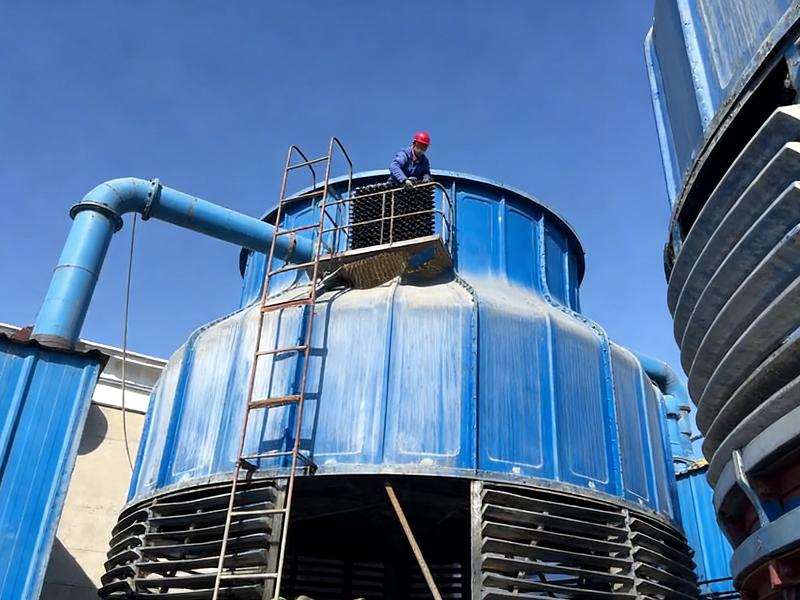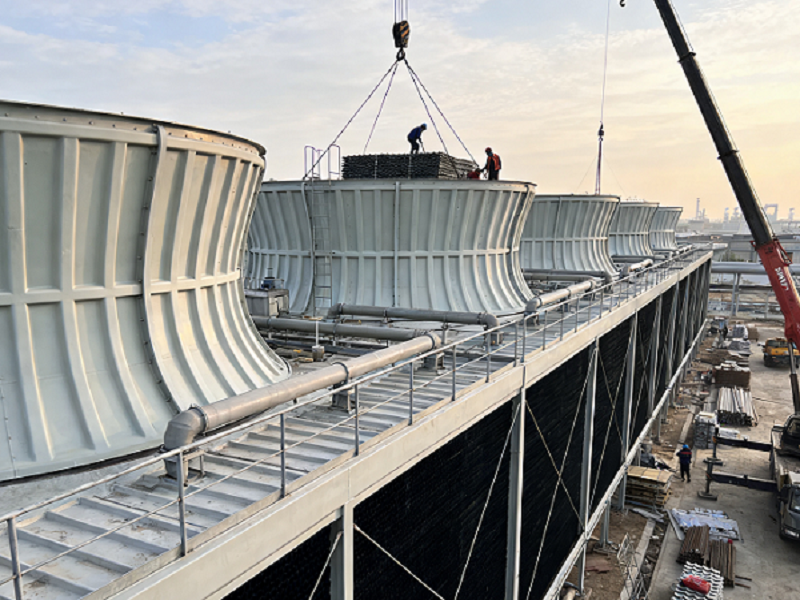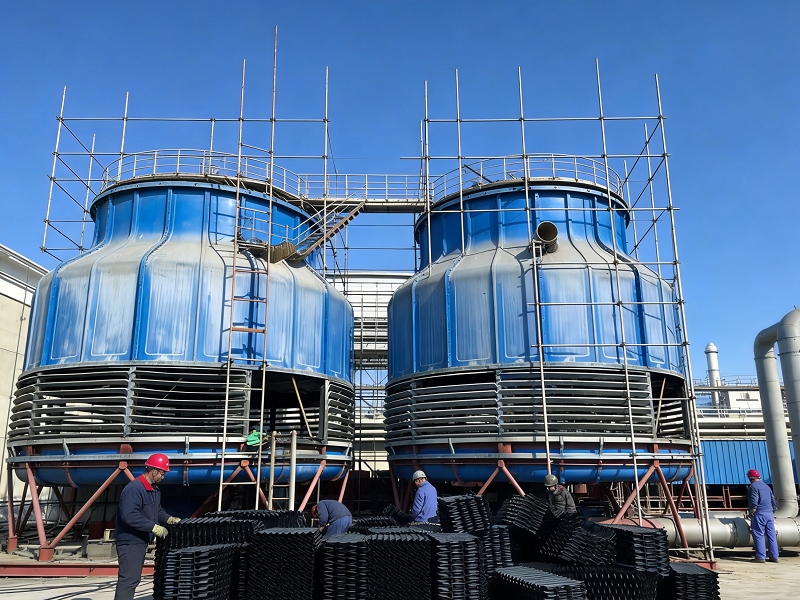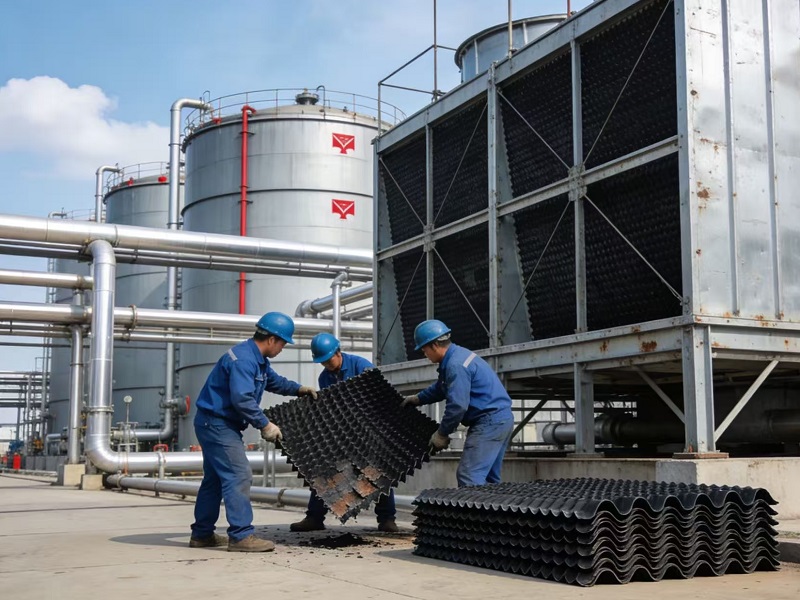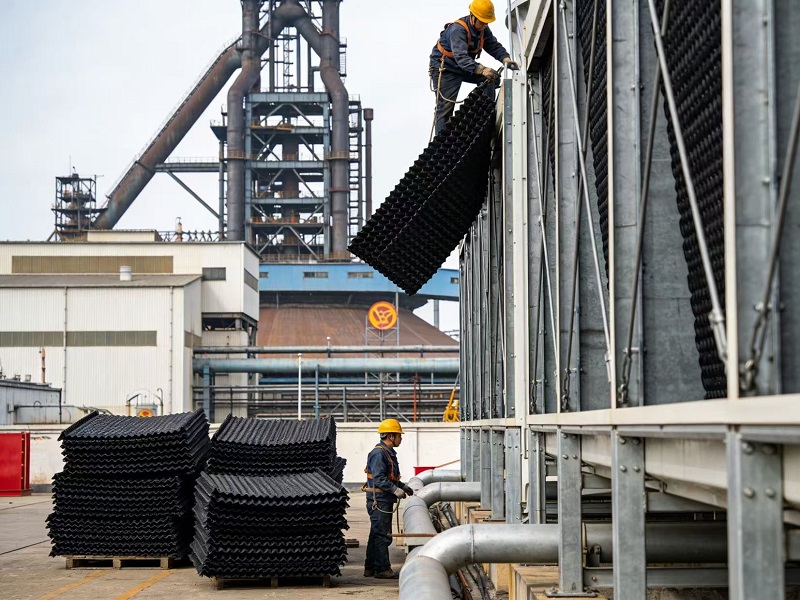
In industrial cooling tower operation, one of the most overlooked issues is uneven wetting across the internal structure. Even when the system is running normally, poor wetting on Cooling Tower Fill can silently reduce heat transfer efficiency and increase operating costs.
In regions such as Southeast Asia and the Middle East, where water quality and operating loads vary significantly, Cooling Tower Media often suffers from uneven wetting caused by nozzle issues, flow imbalance, or partial blockage.
Cooling Tower Media works by spreading water evenly across a large surface area to maximize air-water contact. Proper wetting ensures the entire surface participates in heat exchange.
When cooling tower infill is not fully wetted, dry zones form, reducing effective heat transfer area and causing localized performance loss.
Film fill requires very uniform wetting to form a continuous water film. It is highly sensitive to distribution quality.
Splash fill is more tolerant of uneven wetting because it relies on droplet breakup rather than continuous film formation.
This design improves water spreading efficiency and reduces the risk of dry zones.
PVC materials provide good wetting characteristics but can lose performance if surface scaling occurs.
PP materials maintain stable structural geometry, helping improve long-term wetting consistency.
Clogged or damaged nozzles reduce spray uniformity across Cooling Fill surfaces.
Insufficient pressure leads to poor atomization and uneven distribution patterns.
Unequal piping layout causes some sections to receive more water than others.
Debris or biological growth can prevent water from spreading evenly across cooling tower infill.
Uneven wetting directly affects system efficiency in multiple ways:
Even small wetting inconsistencies can significantly affect long-term system stability.
Correcting uneven wetting requires both mechanical and operational adjustments.
Supporting water management components also improve wetting performance:
Consistent inspection helps detect wetting issues before performance loss becomes severe.
Nozzle clogging caused uneven wetting. After cleaning and replacement, cooling efficiency improved by 13**.
Low water pressure resulted in dry zones on Cooling Tower Media. Pump adjustment restored uniform wetting.
Pipe imbalance caused uneven distribution. System redesign stabilized wetting and improved performance.
Uneven wetting is a critical but often hidden problem in cooling tower systems. It directly affects the efficiency of Cooling Tower Fill and overall system stability.
With proper maintenance, balanced water distribution, and correct material selection, Industrial Tower Fill can achieve uniform wetting and stable long-term performance.
Nozzle blockage, low pressure, and distribution imbalance are the main causes.
It reduces active heat transfer area and creates dry zones.
Yes, most issues can be solved through cleaning and system adjustment.
High surface area and well-designed film fills improve wetting uniformity.
Regular inspection is recommended, especially in high-load systems.
This article is written by an industrial cooling system engineer with over 10 years of experience in water distribution analysis, cooling tower optimization, and thermal system performance improvement.
Precision design for efficient heat exchange. Improves cooling efficiency and reduces operating energy consumption.
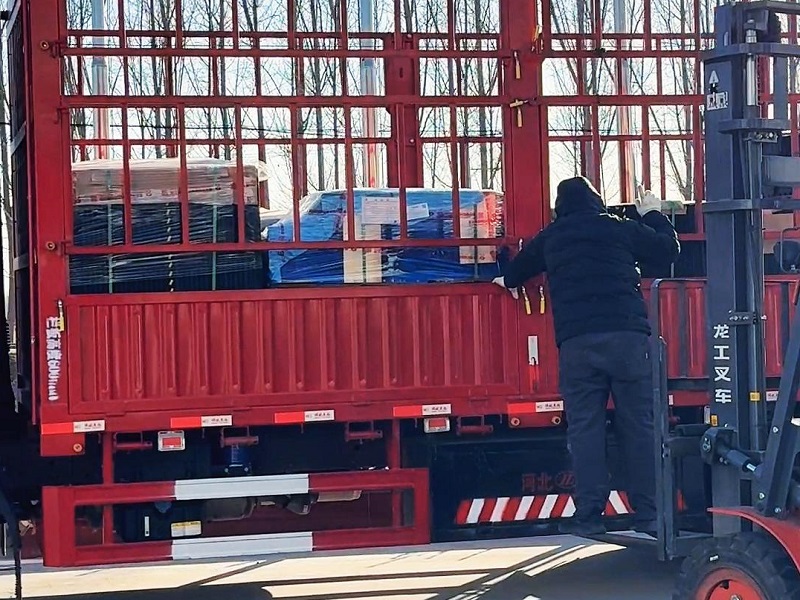
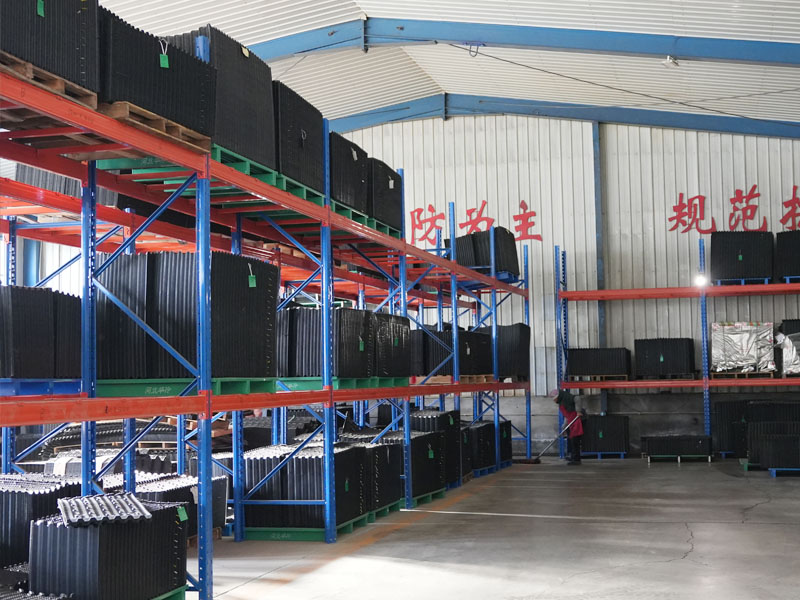
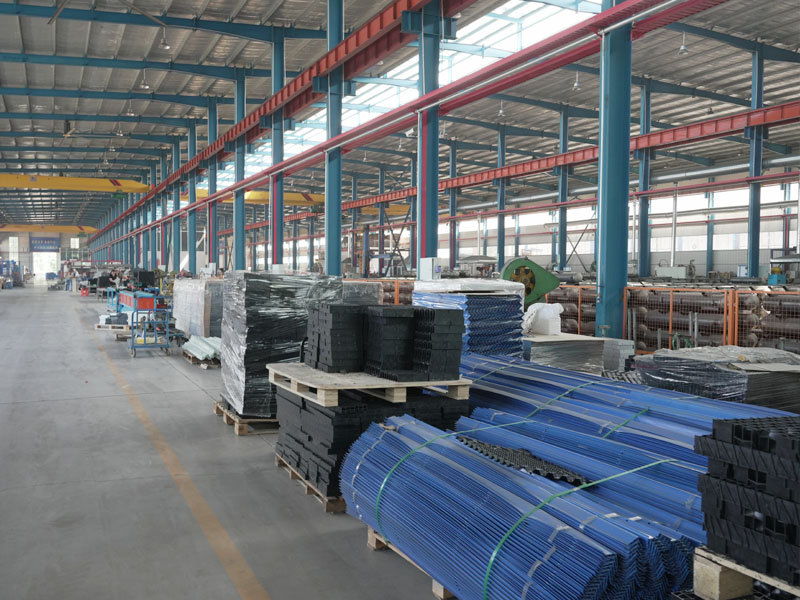
We have a large supermarket stock of cooling tower packing materials, with a variety of product specifications.
Provide customized cooling tower packing solutions to accurately match the needs of different brands of cooling tower projects.
Our experienced team provides comprehensive technical support to ensure timely and high-quality delivery of cooling tower packing orders.

The cooling tower fill from this supplier has significantly improved our system's efficiency. Installation was straightforward, and we've noticed a consistent temperature drop since switching to their product.
Plant Manager

Durability was our main concern, and this fill material has held up exceptionally well even in harsh conditions. It has reduced our maintenance cycles and downtime.
Operations Director

We needed a drop-in replacement for an older system. Their technical support helped us select the right fill, and the performance has exceeded our expectations.
Facilities Engineer

The fill blocks arrived well-packed and were easy to install. Our cooling tower now runs more quietly and with better heat dissipation.
Maintenance Supervisor

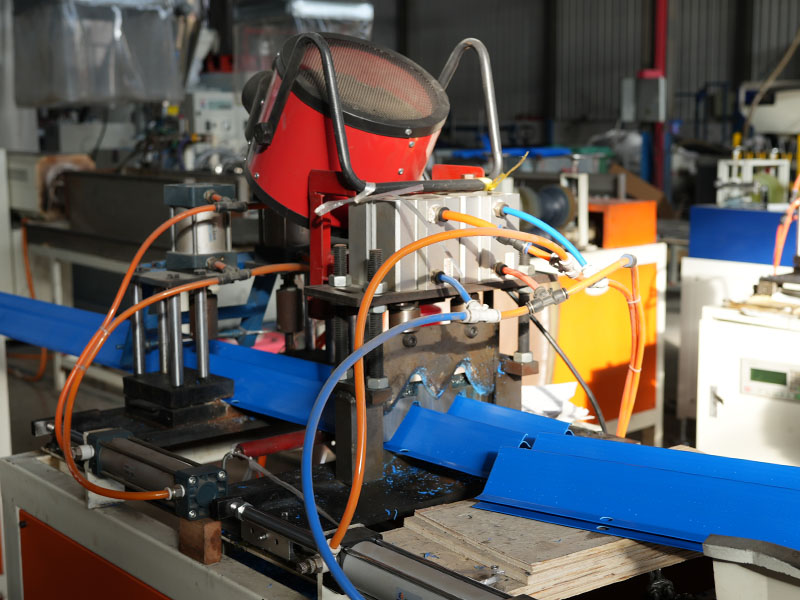
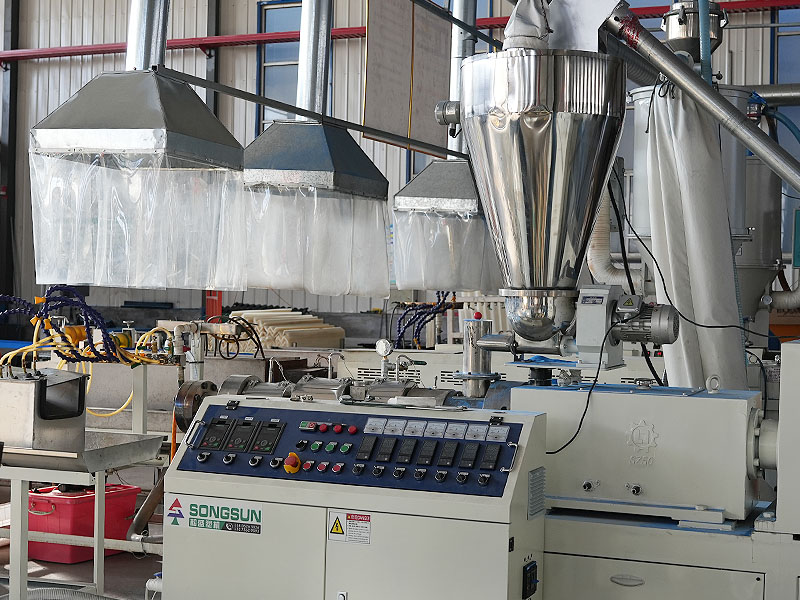
Hi friend, there is a cooling tower packing processing factory here, which has various specifications of cooling tower packing and can also be customized according to your requirements. Are you sure you don't want to come and take a look
Copyright © 2026.Company cooling tower fill factory All rights reserved.