In industrial cooling tower operation, drift loss is a critical issue that directly affects water consumption, environmental compliance, and system efficiency. While often underestimated, improper control of drift can significantly reduce the performance of Cooling Fill and increase operational costs.
In regions such as Southeast Asia and the Middle East, where water resources can be limited and environmental regulations are becoming stricter, managing drift loss is essential for sustainable operation of Cooling Tower Media systems.
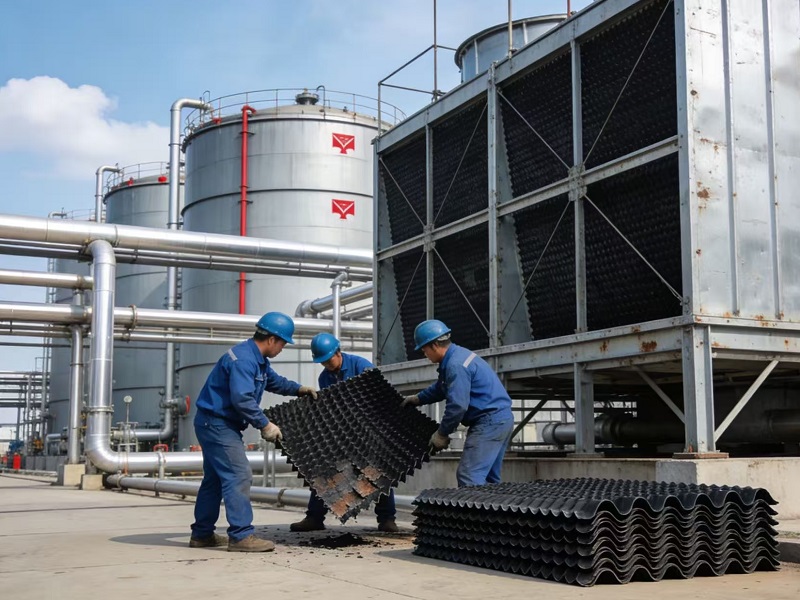
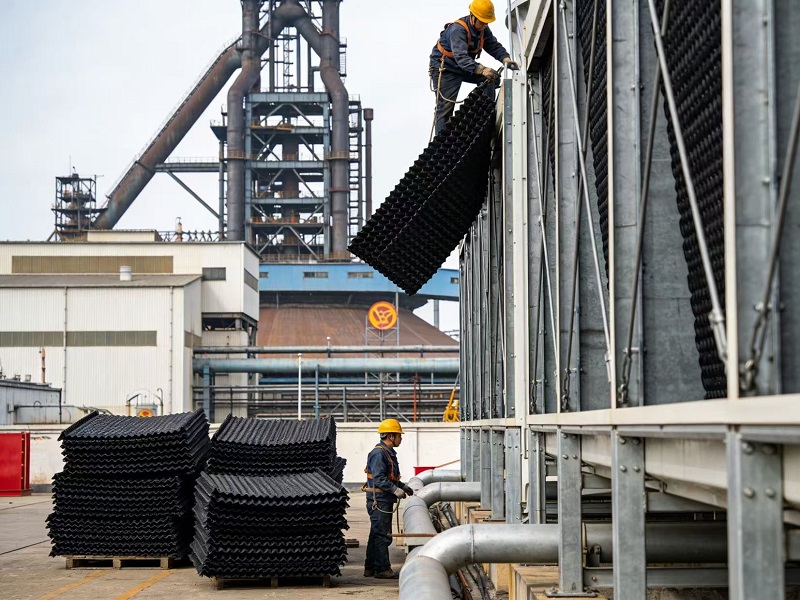
Cooling Tower Media is the core heat exchange component that enables water and air to interact for efficient cooling. It works by increasing surface area and promoting evaporation.
However, during this process, small water droplets can be carried away by airflow, leading to drift loss. This not only wastes water but also affects the efficiency of the cooling tower infill.
Film Fill provides high efficiency but can generate fine droplets if water distribution is not properly controlled.
Splash Fill produces larger droplets, which are less likely to be carried away by airflow, reducing drift risk.
Advanced designs aim to balance heat transfer performance and drift control through optimized surface structures.
PVC Cooling Tower Media is widely used, but surface wear over time may increase droplet formation.
PP material provides better durability and maintains surface stability under demanding conditions.
Excessive airflow can carry water droplets out of the cooling tower before they fall back into the system.
Uneven distribution can create fine mist, increasing the likelihood of drift.
Worn or improperly installed drift eliminators fail to capture droplets effectively.
Certain cooling tower infill structures may generate more fine droplets under specific operating conditions.
Drift loss leads to several operational challenges:
In severe cases, drift can cause corrosion of nearby equipment and create safety hazards.
Effective drift control requires a combination of proper design and component selection.
In addition, advanced water management components help improve system stability:
Routine maintenance helps maintain low drift rates and stable system performance.
High drift loss caused excessive water consumption. Installing new eliminators reduced loss by 40**.
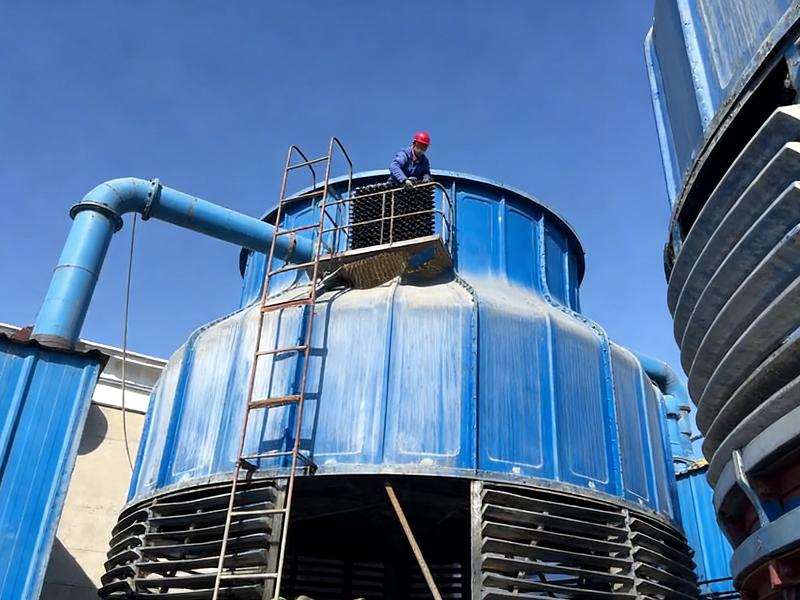
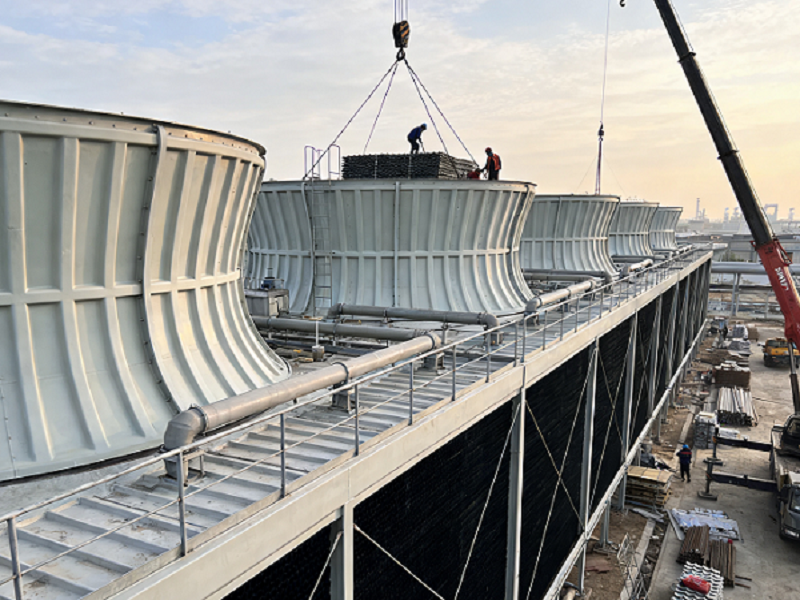
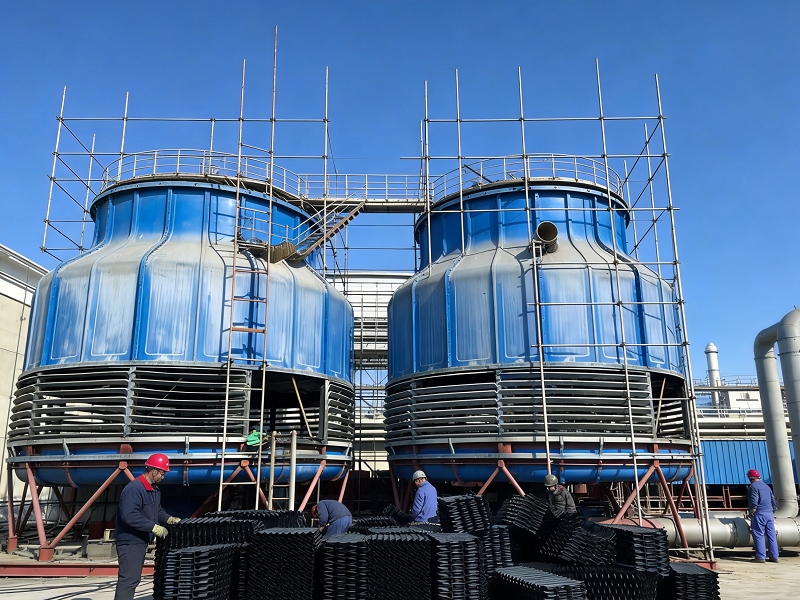
Damaged fill structure increased droplet carryover. Replacing Cooling Tower Media improved efficiency and reduced drift.
Uneven water distribution caused mist formation. System optimization significantly lowered drift levels.
Drift loss is a critical factor in cooling tower performance and environmental compliance. Proper system design, maintenance, and component selection are essential to control it effectively.
By optimizing Cooling Fill and related components, operators can reduce water loss, improve efficiency, and ensure long-term stable operation.
It is the loss of water droplets carried away by airflow.
By using drift eliminators and optimizing airflow and water distribution.
Yes, different structures produce different droplet sizes.
Yes, it can carry chemicals and cause contamination.
Typically every 6–12 months depending on operating conditions.
This article is written by an industrial cooling system engineer with over 10 years of experience in cooling tower optimization, water management, and system performance improvement.
Precision design for efficient heat exchange. Improves cooling efficiency and reduces operating energy consumption.
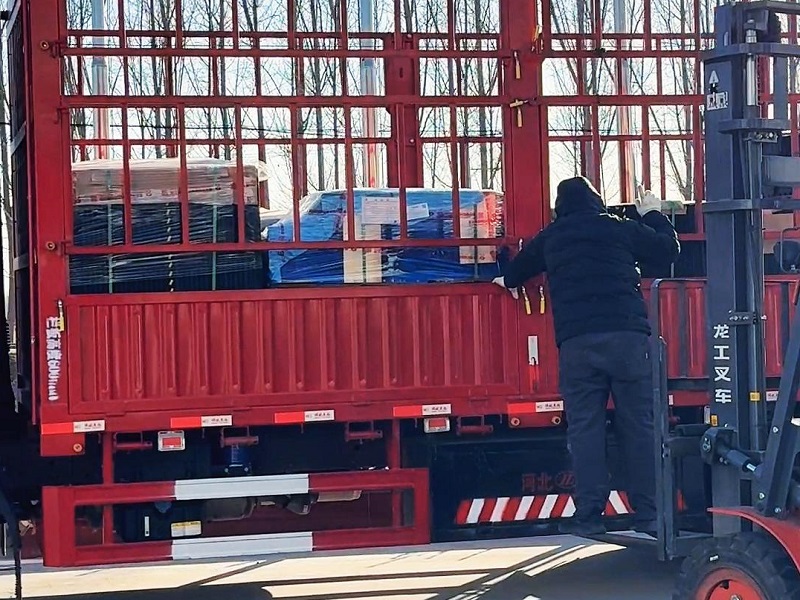
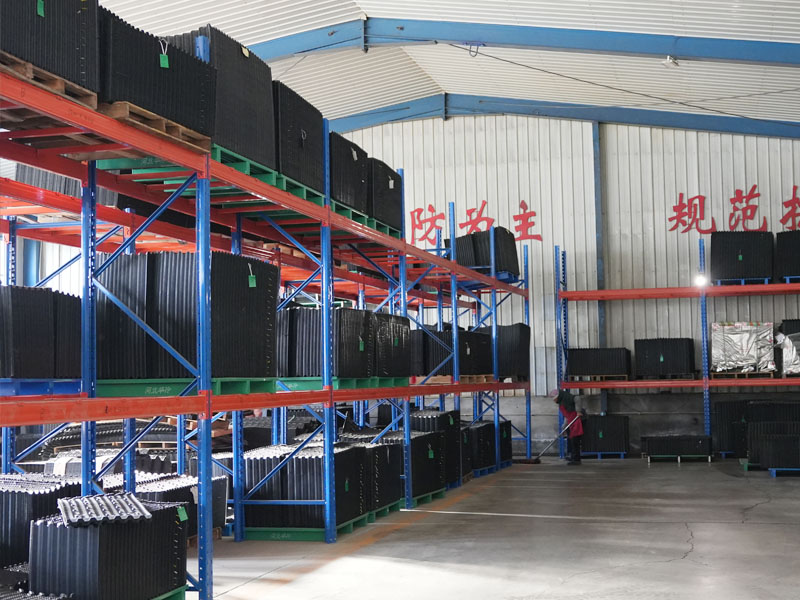
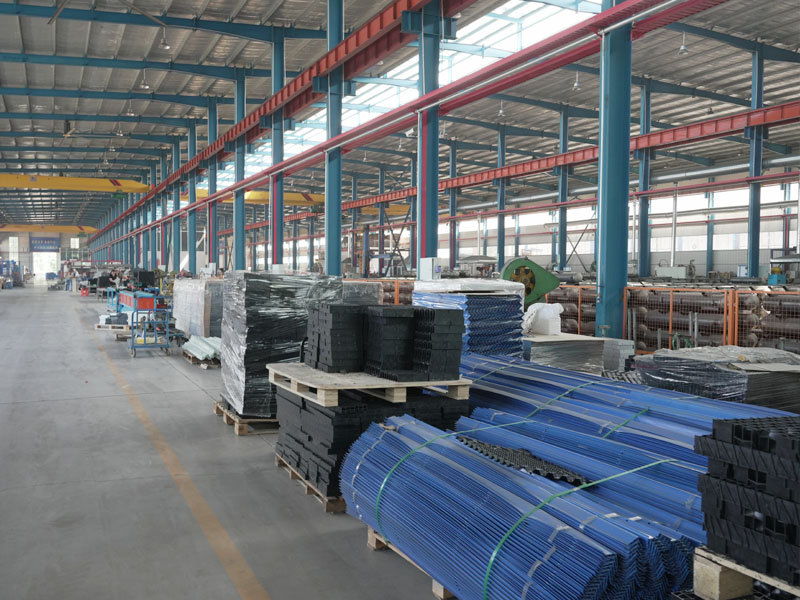
We have a large supermarket stock of cooling tower packing materials, with a variety of product specifications.
Provide customized cooling tower packing solutions to accurately match the needs of different brands of cooling tower projects.
Our experienced team provides comprehensive technical support to ensure timely and high-quality delivery of cooling tower packing orders.

The cooling tower fill from this supplier has significantly improved our system's efficiency. Installation was straightforward, and we've noticed a consistent temperature drop since switching to their product.
Plant Manager

Durability was our main concern, and this fill material has held up exceptionally well even in harsh conditions. It has reduced our maintenance cycles and downtime.
Operations Director

We needed a drop-in replacement for an older system. Their technical support helped us select the right fill, and the performance has exceeded our expectations.
Facilities Engineer

The fill blocks arrived well-packed and were easy to install. Our cooling tower now runs more quietly and with better heat dissipation.
Maintenance Supervisor

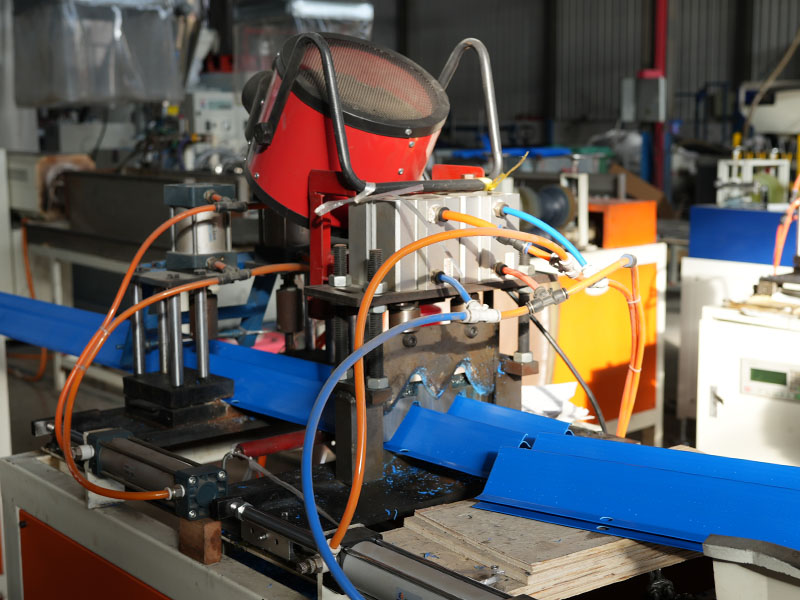
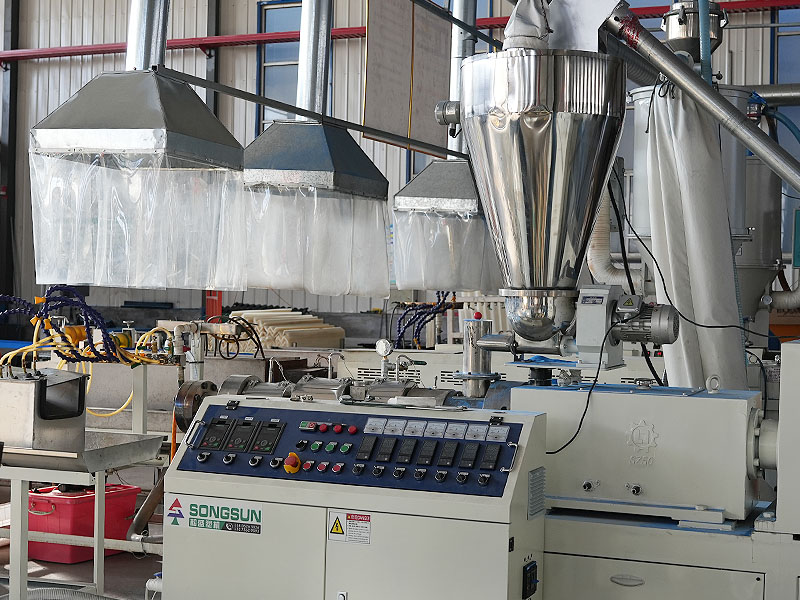
Hi friend, there is a cooling tower packing processing factory here, which has various specifications of cooling tower packing and can also be customized according to your requirements. Are you sure you don't want to come and take a look
Copyright © 2026.Company cooling tower fill factory All rights reserved.