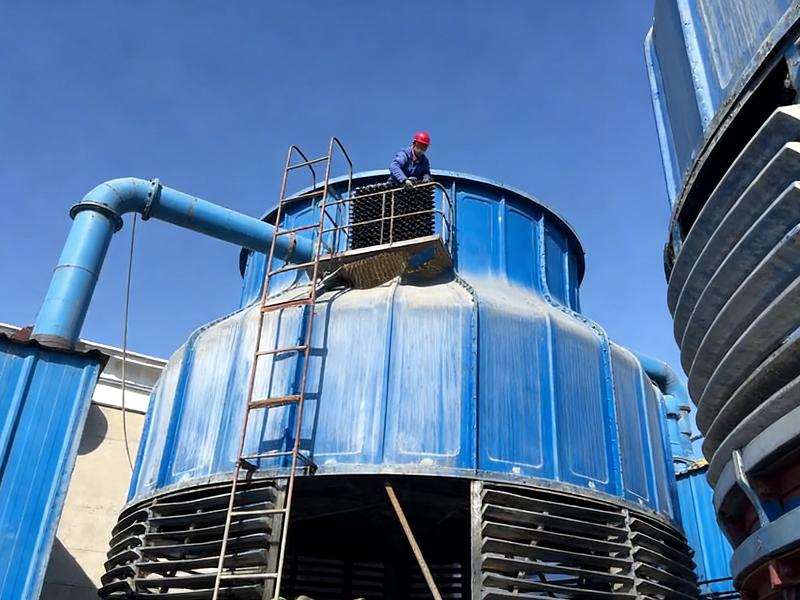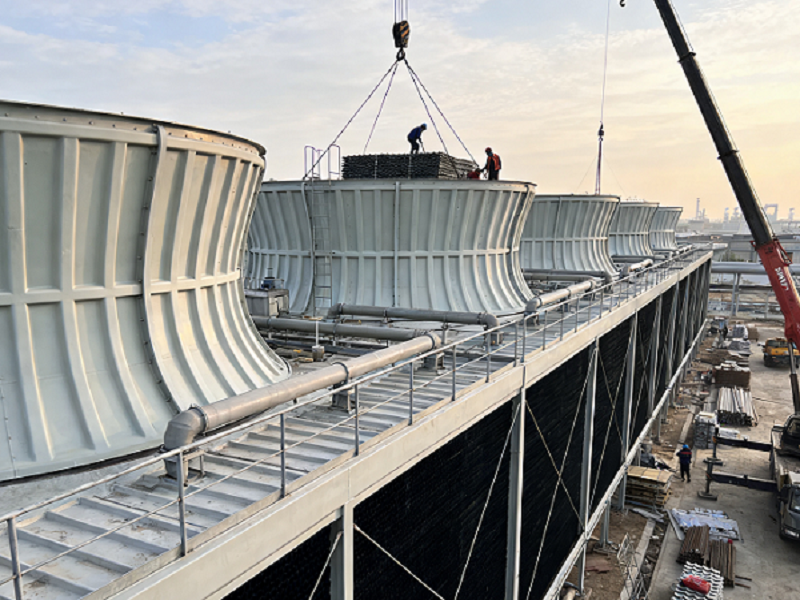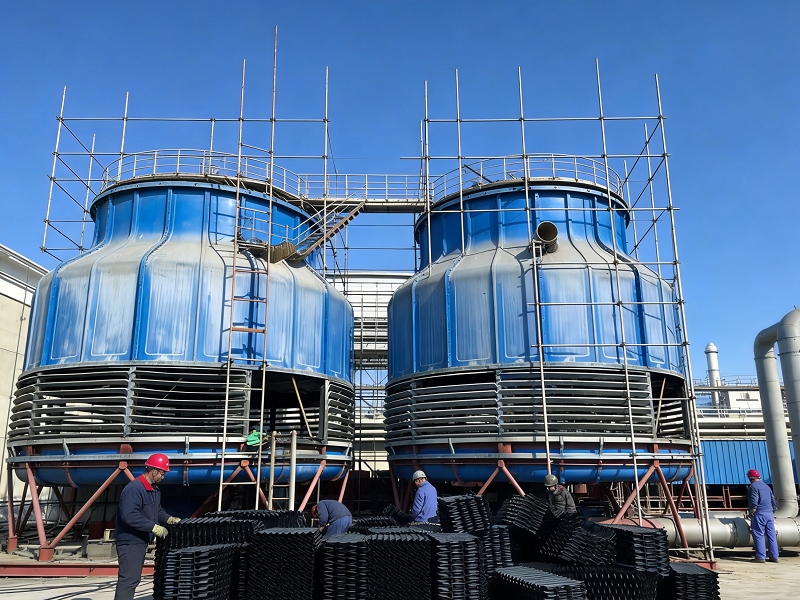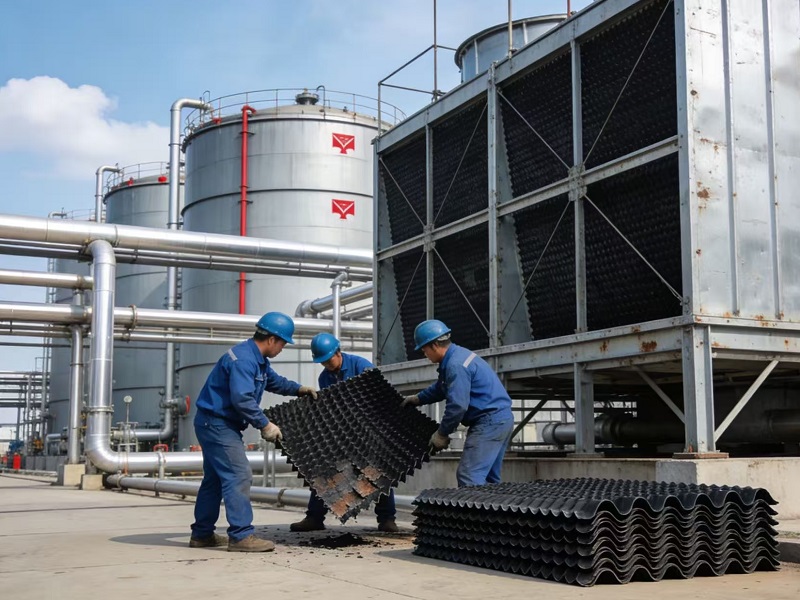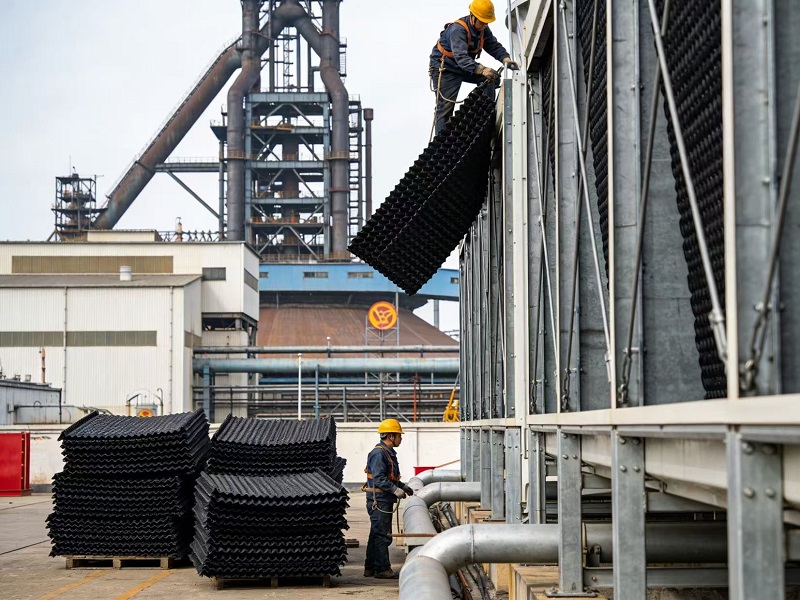
When a cooling system starts behaving abnormally, the first place I usually check is the cooling tower fill. In real industrial cases, especially in Southeast Asia, most performance issues are not caused by pumps or fans, but by hidden problems inside the cooling tower infill.
A reliable cooling tower fill supplier will always tell you the same thing: if the fill is not working properly, everything downstream suffers.
1. Search Intent Type:
2. Google SERP Characteristics:
3. Recommended Article Length:
When the system cannot maintain stable cooling, the first suspect is often the cooling tower fill.
Blocked or damaged cooling tower infill increases airflow resistance, forcing fans to work harder.
If water channels form instead of spreading evenly, the efficiency of cooling tower fill drops sharply.
If cleaning becomes too frequent, it usually indicates deeper issues inside the cooling tower infill.
Particles in water gradually block the structure of cooling tower fill, reducing airflow and heat exchange.
Mineral deposits form a layer on the surface of cooling tower infill, reducing thermal efficiency.
Algae and bacteria thrive in warm environments, affecting the flow path inside cooling tower fill.
Over time, PVC or PP structures become brittle and lose performance.
Check whether the cooling tower infill is deformed, blocked, or collapsed.
Observe whether water spreads evenly across the cooling tower fill.
Measure resistance to see if airflow is restricted by fouled infill.
Compare inlet and outlet temperatures to evaluate efficiency loss.
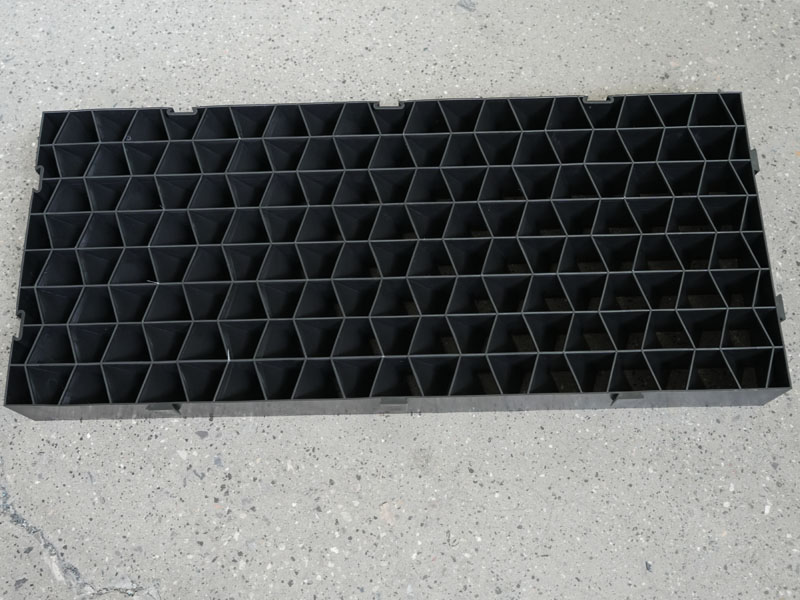
Not every problem requires replacement. In some cases, cleaning the cooling tower fill can restore performance.
A professional cooling tower fill replacement supplier will recommend replacement when:
PVC cooling tower infill performs well in standard conditions but is sensitive to high temperature.
PP-based cooling tower fill is more stable in harsh chemical or thermal environments.
Choosing the correct material with guidance from a cooling tower fill supplier prevents early failure.
Most cooling tower infill failures develop gradually, not suddenly.
Even partial clogging can significantly reduce performance.
Poor water treatment accelerates degradation of cooling tower fill.
Stable distribution improves overall system balance.
Multidimensional water collector
Heat resistant components help maintain system integrity.
High temperature U-shaped water collector
Better control reduces system loss.
Check cooling tower fill condition periodically.
Reduce scaling and biological growth risks.
Choose suitable cooling tower infill based on operating conditions.
Troubleshooting cooling tower fill problems requires a combination of observation, testing, and experience.
In most cases, early detection of issues in cooling tower infill prevents costly downtime and system failure.
Clogging and scaling are the most frequent issues.
No severe damage requires replacement.
Look for rising temperature and airflow resistance.
Yes different materials fail differently.
Yes experienced suppliers help diagnose issues correctly.
This article is written by a cooling tower engineer with extensive field troubleshooting experience in industrial plants across Asia and the Middle East.
Precision design for efficient heat exchange. Improves cooling efficiency and reduces operating energy consumption.
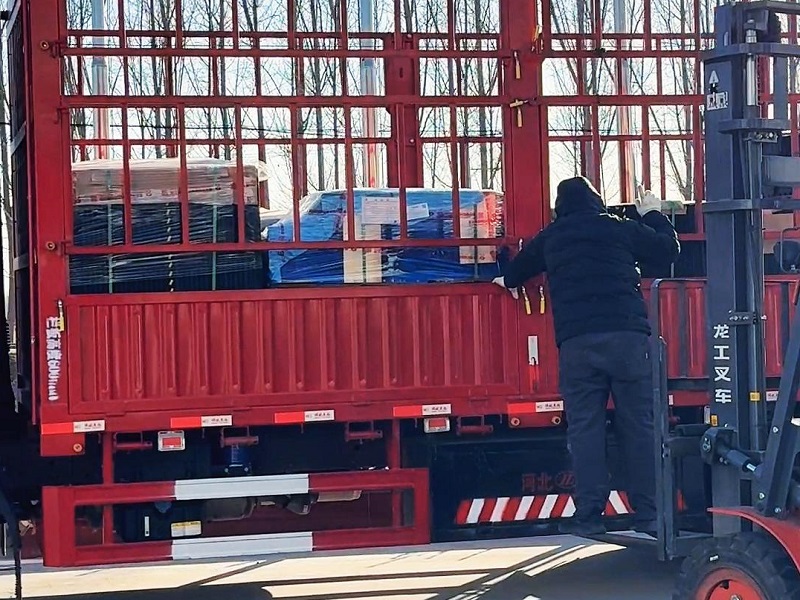
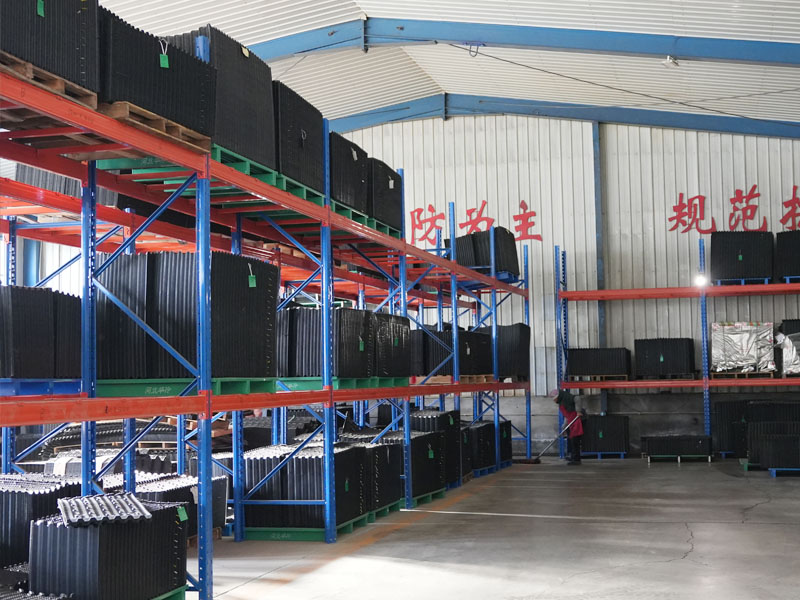
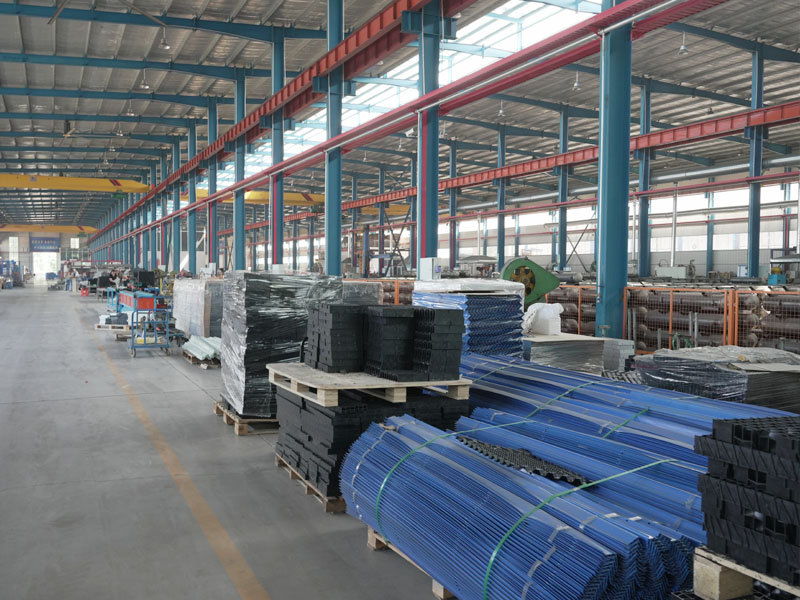
We have a large supermarket stock of cooling tower packing materials, with a variety of product specifications.
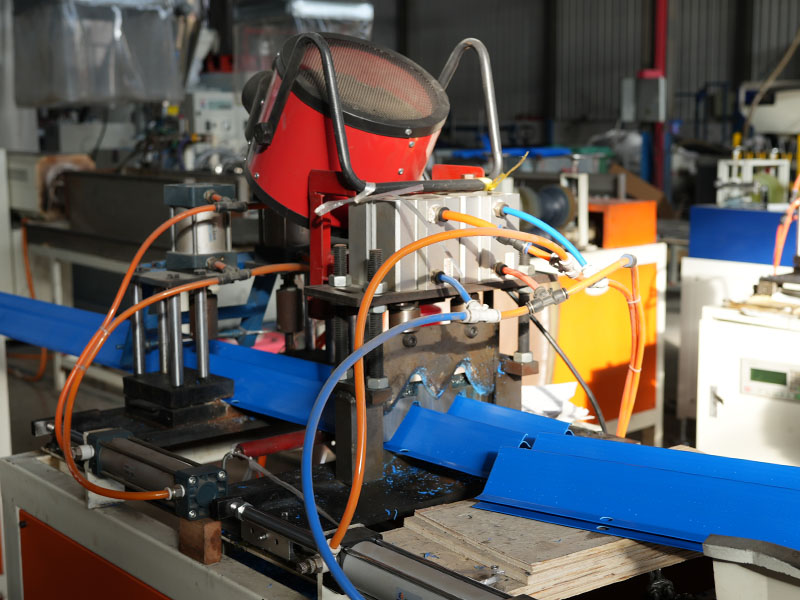
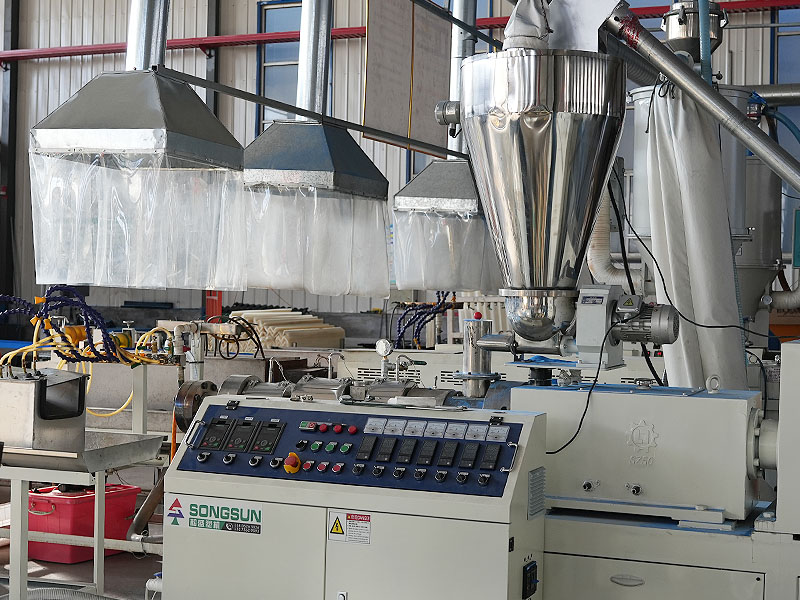
Provide customized cooling tower packing solutions to accurately match the needs of different brands of cooling tower projects.
Our experienced team provides comprehensive technical support to ensure timely and high-quality delivery of cooling tower packing orders.

The cooling tower fill from this supplier has significantly improved our system's efficiency. Installation was straightforward, and we've noticed a consistent temperature drop since switching to their product.
Plant Manager

Durability was our main concern, and this fill material has held up exceptionally well even in harsh conditions. It has reduced our maintenance cycles and downtime.
Operations Director

We needed a drop-in replacement for an older system. Their technical support helped us select the right fill, and the performance has exceeded our expectations.
Facilities Engineer

The fill blocks arrived well-packed and were easy to install. Our cooling tower now runs more quietly and with better heat dissipation.
Maintenance Supervisor

Hi friend, there is a cooling tower packing processing factory here, which has various specifications of cooling tower packing and can also be customized according to your requirements. Are you sure you don't want to come and take a look
Copyright © 2026.Company cooling tower fill factory All rights reserved.