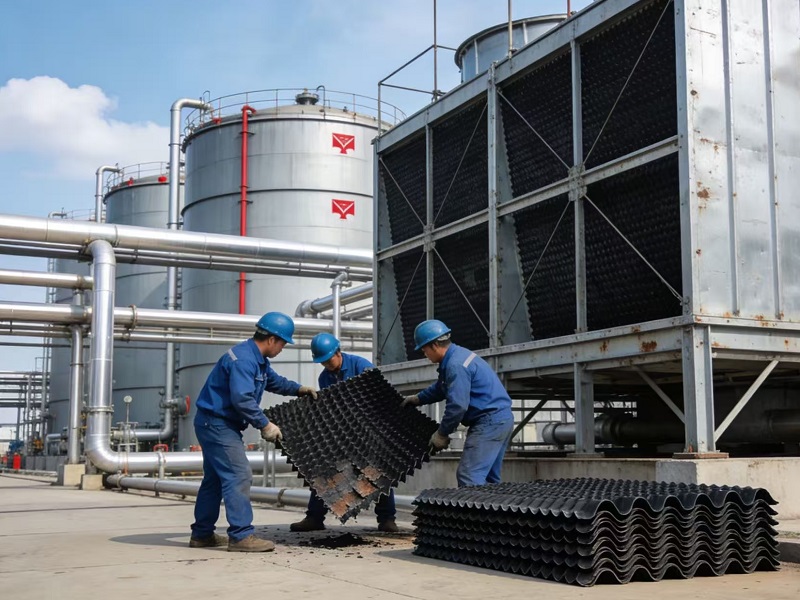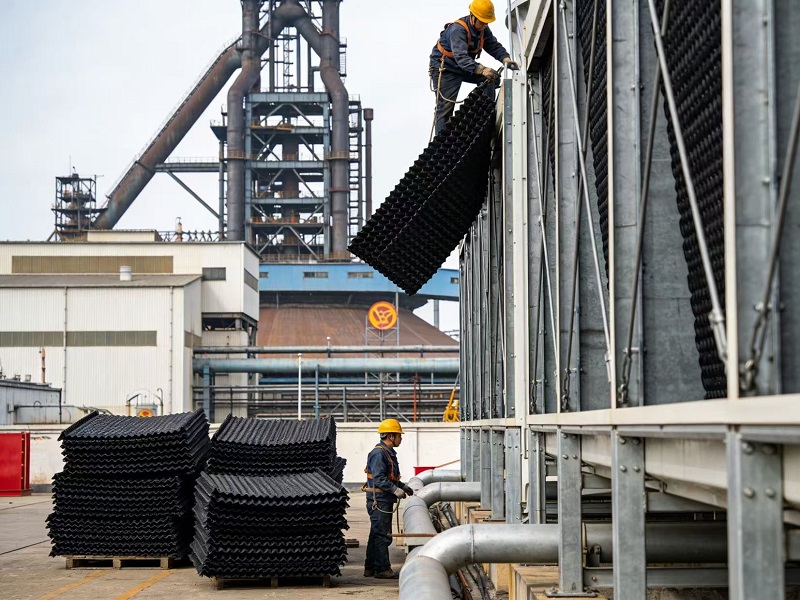
In many industrial cooling systems, efficiency loss does not come from the tower structure itself, but from the internal media. Engineers often overlook how critical Cooling Fill is until performance drops, energy costs rise, or system temperatures exceed design limits.
In Southeast Asia, the Middle East, and parts of East Asia, harsh environments such as high humidity, dust, and poor water quality accelerate degradation. This makes selecting the right Industrial Tower Fill not just a design choice, but a long-term operational decision.
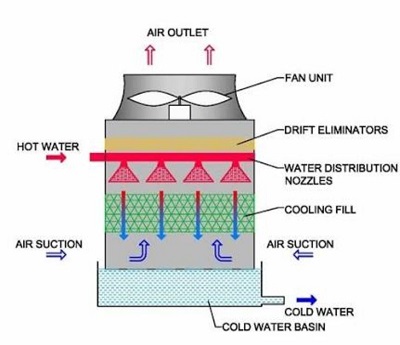
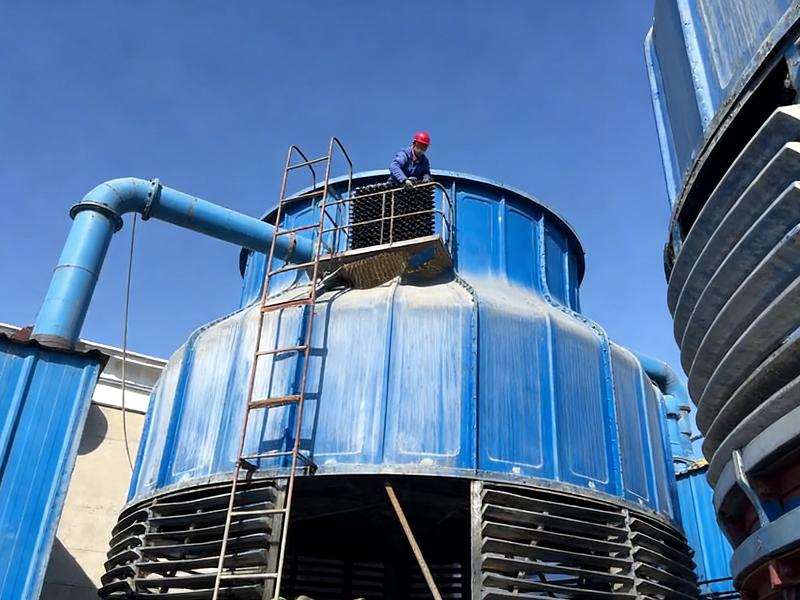
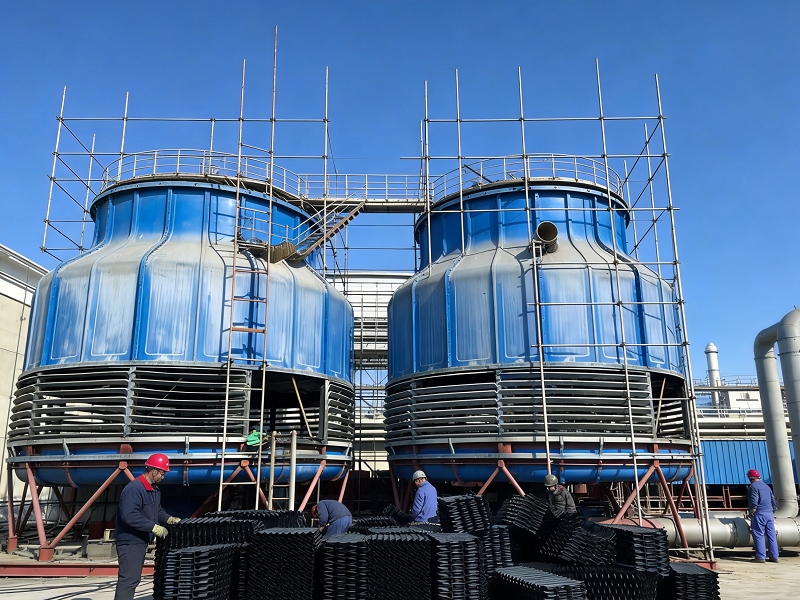
Cooling tower fill is the core heat exchange medium inside a cooling tower. Its function is simple in theory: increase the contact surface between water and air. In practice, its geometry, material, and installation quality directly determine cooling efficiency.
From an engineering perspective, Cooling Tower Media works by:
Without properly designed tower fill, even a large cooling tower cannot reach its thermal performance targets.
Film Fill is the most widely used solution in industrial applications. Water flows in thin layers across structured surfaces, maximizing heat transfer area.
Typical designs include PVC film fill and CrossFluted Fill, which create turbulence and improve efficiency. This type is ideal for clean water systems.
Splash fill breaks water into droplets through repeated impact. It is more resistant to clogging and is suitable for dirty or circulating water systems.
However, compared to film designs, its thermal efficiency is lower.
Corrugated Fill combines structural strength with efficient water distribution. It is commonly used in large industrial towers where airflow resistance and durability must be balanced.
PVC film fill is the most common material due to its cost efficiency and good thermal performance. It works well under normal temperature conditions below 55°C.
Advantages:
PP fill media is used in high-temperature environments. It maintains structural integrity under heat where PVC would deform.
In petrochemical or power plant projects, PP is often the only viable option.
The performance of Cooling Fill depends on several interacting factors:
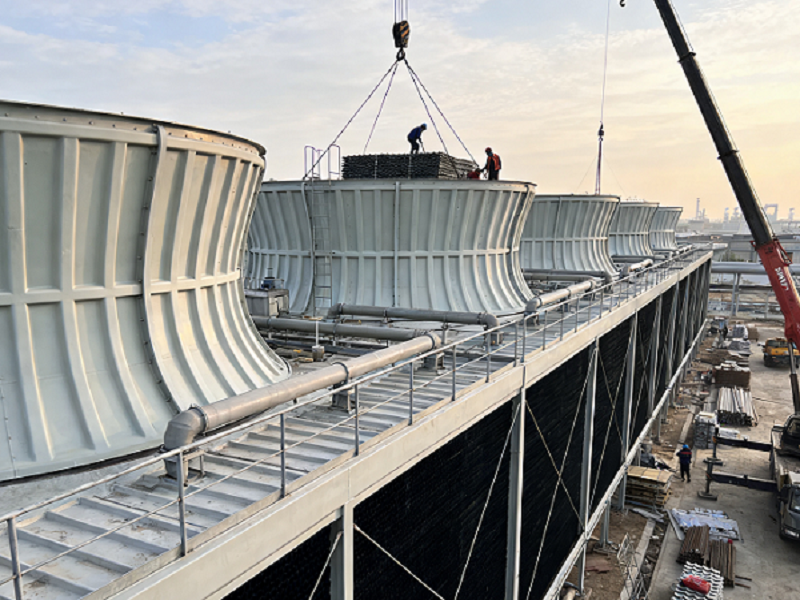
In real projects, upgrading from outdated tower fill to modern structured Cooling Tower Media can improve efficiency by 10**–25**. This translates directly into lower energy consumption and reduced operating costs.
Another critical factor is water collection. Poor drift control reduces efficiency and causes water loss. Using advanced systems such as:
can significantly reduce drift loss and improve overall system stability.
Procurement decisions should never be based on price alone. A professional cooling tower fill supplier will evaluate:
For example:
If you are planning a cooling tower fill replacement supplier evaluation, always request performance data and real project references.
Clogging occurs when suspended solids accumulate in the fill channels. This reduces airflow and water distribution efficiency.
Solution:
Scaling is caused by mineral deposition. It reduces heat transfer efficiency over time.
Solution:
Exposure to UV, chemicals, and heat causes material degradation.
Solution:
Even the best Cooling Tower Media requires proper maintenance:
Preventive maintenance extends the life of tower fill and ensures consistent performance.
A palm oil processing plant experienced reduced cooling efficiency due to clogged PVC film fill. After switching to a redesigned Corrugated Fill with wider channels, efficiency improved by 18**.
In a Middle Eastern petrochemical plant, standard PVC fill failed within one year. Replacing it with PP fill media solved deformation issues and extended service life beyond 5 years.
A steel plant using recycled water faced constant scaling and clogging. A hybrid system combining splash fill and optimized tower fill layout reduced maintenance frequency by 40**.
Cooling Fill is not just a component—it is the core of cooling tower performance. Choosing the right material, structure, and supplier directly affects system efficiency, maintenance costs, and operational stability.
For engineers and procurement teams, understanding the differences between Film Fill, splash systems, and advanced Cooling Tower Media is essential for making informed decisions.
Typically 3–8 years depending on material, water quality, and maintenance.
When efficiency drops, clogging increases, or physical damage is visible.
PVC is cost-effective for normal use. PP is better for high temperatures.
Yes, hybrid systems are often used in complex environments.
Look for engineering experience, project references, and material quality certification.
This article is written from the perspective of a cooling tower engineer with over 10 years of field experience in industrial cooling systems across Southeast Asia and the Middle East. The insights are based on real project challenges, including system retrofits, performance optimization, and failure analysis.
For further technical standards, refer to ASHRAE and Cooling Technology Institute (CTI).
Precision design for efficient heat exchange. Improves cooling efficiency and reduces operating energy consumption.
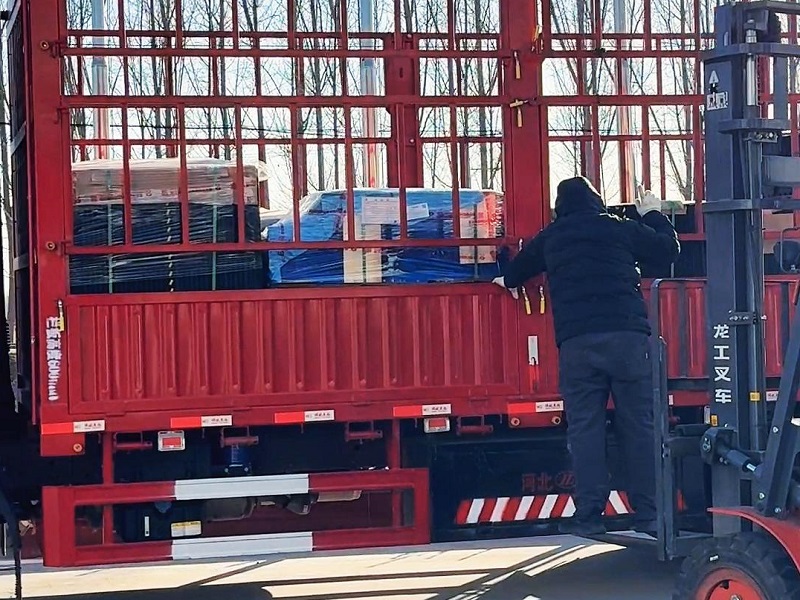
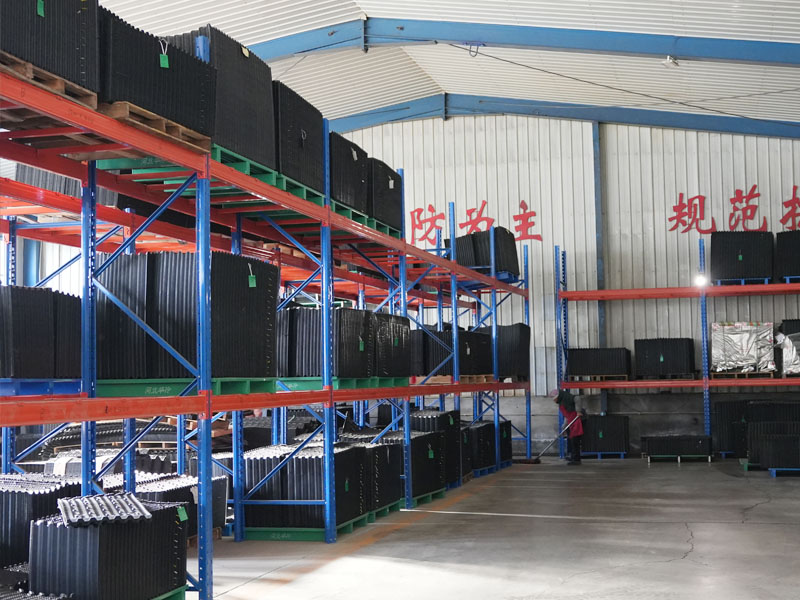
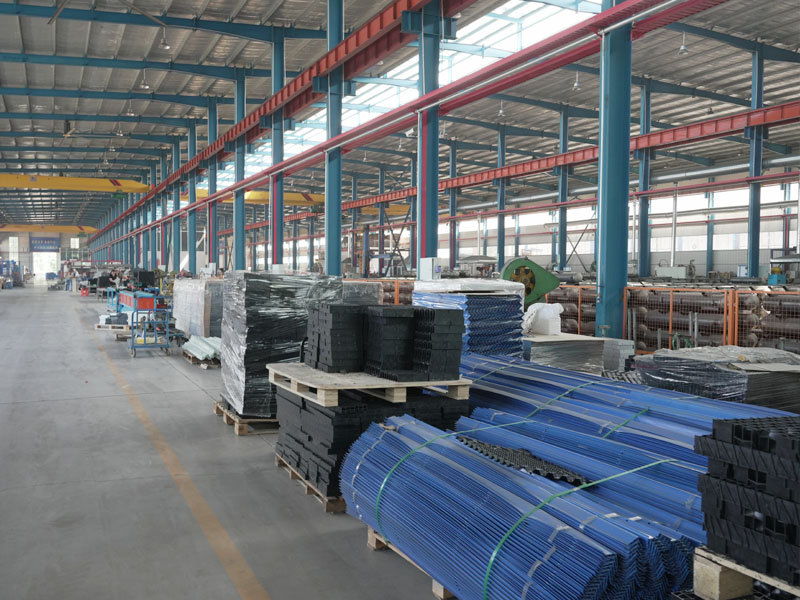
We have a large supermarket stock of cooling tower packing materials, with a variety of product specifications.
Provide customized cooling tower packing solutions to accurately match the needs of different brands of cooling tower projects.
Our experienced team provides comprehensive technical support to ensure timely and high-quality delivery of cooling tower packing orders.

The cooling tower fill from this supplier has significantly improved our system's efficiency. Installation was straightforward, and we've noticed a consistent temperature drop since switching to their product.
Plant Manager

Durability was our main concern, and this fill material has held up exceptionally well even in harsh conditions. It has reduced our maintenance cycles and downtime.
Operations Director

We needed a drop-in replacement for an older system. Their technical support helped us select the right fill, and the performance has exceeded our expectations.
Facilities Engineer

The fill blocks arrived well-packed and were easy to install. Our cooling tower now runs more quietly and with better heat dissipation.
Maintenance Supervisor

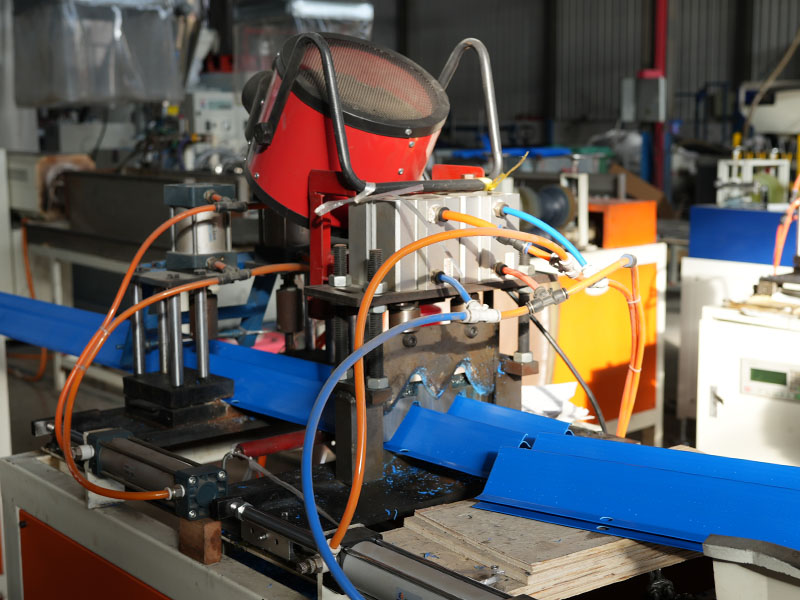
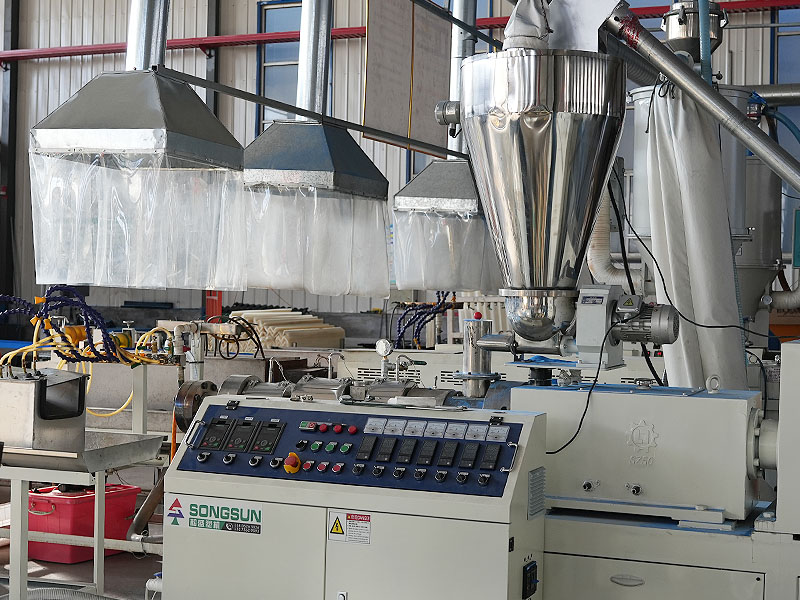
Hi friend, there is a cooling tower packing processing factory here, which has various specifications of cooling tower packing and can also be customized according to your requirements. Are you sure you don't want to come and take a look
Copyright © 2026.Company cooling tower fill factory All rights reserved.