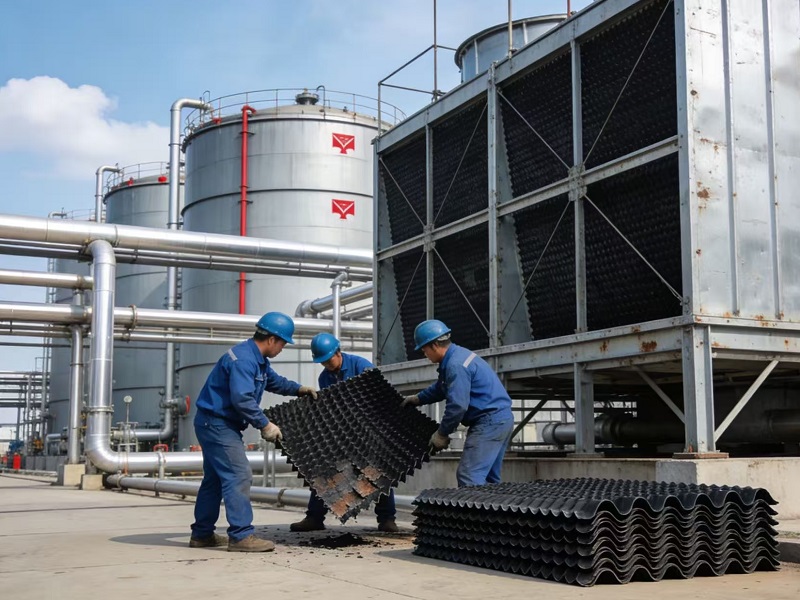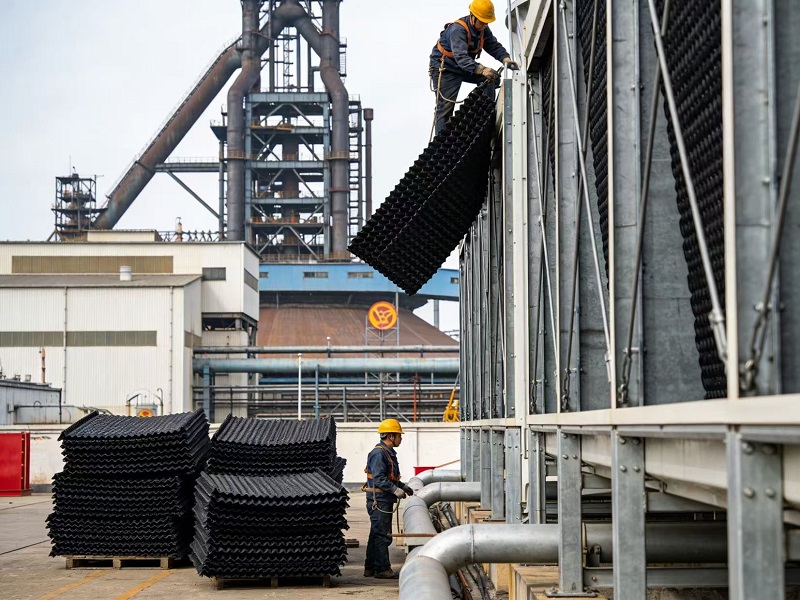
Energy consumption has become an important concern for industrial cooling system operators. In many factories, cooling towers run continuously throughout the year, and even small efficiency improvements can create noticeable savings. The performance of Cooling Fill plays an important role in reducing operating costs while maintaining stable cooling capacity.
For industrial customers in Southeast Asia, the Middle East, and Japan Korea markets, cooling towers often face high ambient temperatures, long operation periods, and increasing energy management requirements. Under these conditions, choosing the right Cooling Tower Media can directly influence system efficiency.
From engineering experience, many companies focus on fan upgrades or pump adjustments when trying to reduce energy consumption. However, improving the heat exchange performance of tower fill is often a more practical and cost-effective approach.
Cooling Tower Media is responsible for maximizing the contact between water and air. When the heat transfer process works efficiently, the cooling system can achieve the required temperature difference with less mechanical energy input.
If the fill structure is unsuitable, damaged, or blocked, the cooling tower needs additional fan operation or longer running time to reach the same cooling effect.
Poor fill performance may lead to:
A well-selected tower fill solution helps improve the balance between heat transfer efficiency and energy usage.
The structure of Cooling Fill determines how effectively air and water interact inside the cooling tower.
A suitable design can increase heat transfer area while maintaining acceptable airflow resistance.
Higher resistance forces fans to work harder, increasing electricity consumption.
Therefore, efficient Cooling Tower Media should provide good cooling performance without creating unnecessary pressure loss.
Uneven water distribution reduces the utilization rate of the fill area.
When some sections receive insufficient water, the cooling tower loses part of its effective heat exchange capacity.
The material affects durability, temperature resistance, and long-term performance.
Suitable materials help maintain stable efficiency throughout the service period.
Film Fill is widely selected for energy-saving cooling systems because it provides a large heat exchange surface area.
When combined with proper water quality management, Film Fill can achieve excellent cooling performance with efficient airflow.
Corrugated Fill improves turbulence through specially designed wave patterns.
This structure helps increase air-water contact and improve cooling efficiency in industrial applications.
CrossFluted Fill uses crossing channels to enhance heat transfer while controlling airflow resistance.
It is often used in systems where both efficiency and stable operation are important.
Splash fill provides strong adaptability in applications with unstable water quality.
Although the heat transfer method differs from film structures, it can provide reliable performance in challenging environments.
PVC film fill remains a common choice for many industrial cooling systems because of its balance between performance and cost.
With proper maintenance, PVC materials can maintain good heat transfer ability over long operating periods.
PP fill media provides better resistance to higher temperatures and chemical conditions.
For demanding industrial applications, PP materials can help reduce performance decline caused by material aging.
Energy saving does not always require replacing the entire cooling system. Small improvements in operation and maintenance can produce meaningful results.
Additional water management components can also support better cooling performance:
Some plants try to solve cooling problems by installing stronger fans.
However, if the real problem is poor heat transfer inside tower fill, higher airflow may increase energy consumption without solving the main issue.
Aged cooling tower infill may still appear physically usable but have reduced heat transfer efficiency.
The cheapest option may create higher maintenance costs if the material does not match the operating environment.
Regular maintenance helps maintain the designed performance of the cooling system and prevents unnecessary energy waste.
A manufacturing plant noticed increasing electricity costs from cooling tower operation. Inspection found that old Cooling Fill had reduced heat transfer efficiency due to scaling. After replacing damaged sections and improving water treatment, cooling performance improved by approximately 15** and fan operating time was reduced.
A power project operated under extreme summer temperatures. The original fill material experienced faster aging due to high thermal stress. After selecting a more suitable Industrial Tower Fill solution, the system maintained better stability during peak demand periods.
A factory using recycled water experienced frequent cleaning requirements. Engineers improved filtration, adjusted maintenance procedures, and selected a better cooling tower infill structure. The cooling system achieved more stable operation with fewer interruptions.
Energy efficiency depends on whether the selected product matches the actual cooling conditions.
A professional cooling tower fill supplier should evaluate:
For companies searching for a cooling tower fill replacement supplier, technical communication before purchase can help avoid unsuitable selections.
Industrial users are increasingly focusing on reducing energy consumption while maintaining reliable cooling performance.
Future Cooling Tower Media designs will continue improving:
Energy efficiency in cooling systems depends on many factors, and Cooling Tower Fill is one of the most important components influencing overall performance.
By selecting suitable fill structures, maintaining proper water conditions, and optimizing operation methods, industrial users can reduce energy costs and improve system reliability.
For companies looking for cooling tower infill solutions, the right product choice should always be based on real operating conditions rather than only initial purchase cost.
Yes. Efficient fill improves heat transfer and can reduce the workload of fans and pumps.
Yes. Aging or blocked fill can reduce cooling efficiency and increase energy usage.
Film Fill and CrossFluted Fill are commonly used when high heat transfer efficiency is required.
Proper fill selection, water treatment, and regular maintenance are key methods.
Different industries have different temperatures, water quality, and operating requirements.
This article is written from the perspective of an industrial cooling system engineer with more than 10 years of experience in Cooling Tower Fill selection, energy efficiency improvement, heat transfer optimization, and industrial cooling system projects.
Precision design for efficient heat exchange. Improves cooling efficiency and reduces operating energy consumption.
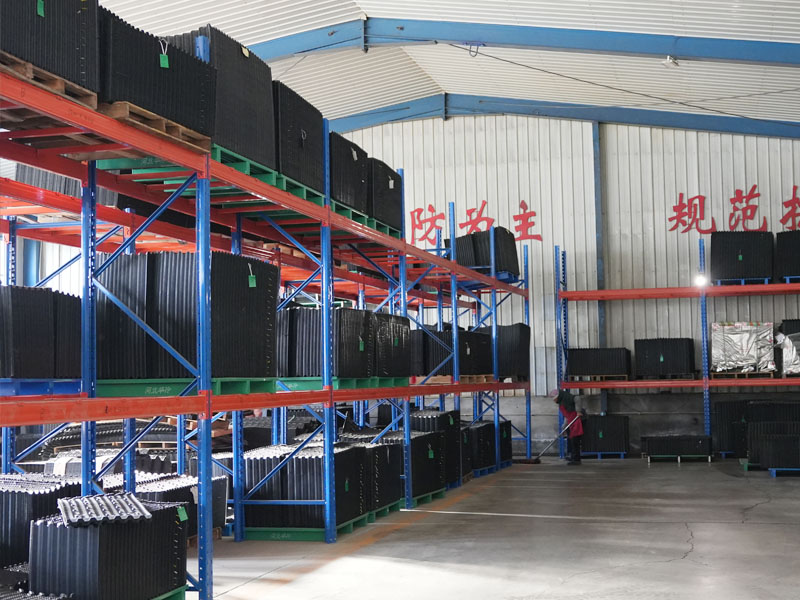
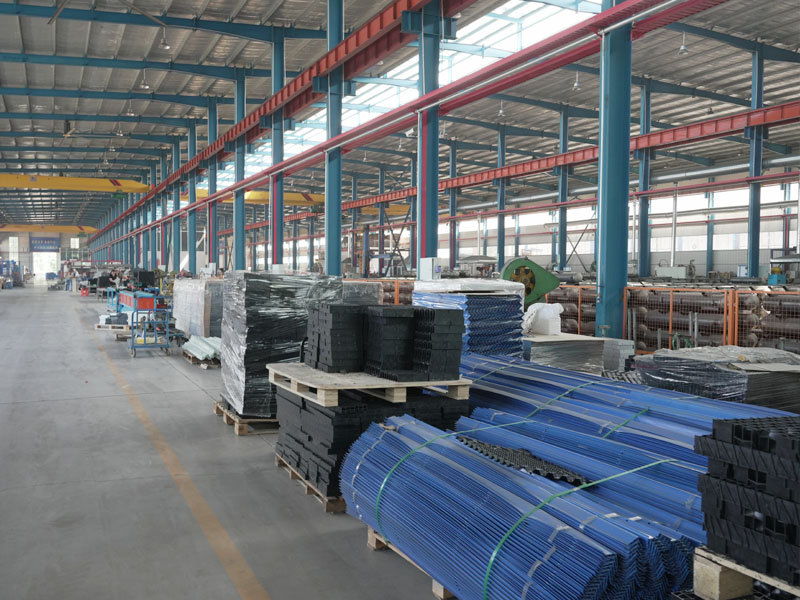
We have a large supermarket stock of cooling tower packing materials, with a variety of product specifications.
Provide customized cooling tower packing solutions to accurately match the needs of different brands of cooling tower projects.
Our experienced team provides comprehensive technical support to ensure timely and high-quality delivery of cooling tower packing orders.

The cooling tower fill from this supplier has significantly improved our system's efficiency. Installation was straightforward, and we've noticed a consistent temperature drop since switching to their product.
Plant Manager

Durability was our main concern, and this fill material has held up exceptionally well even in harsh conditions. It has reduced our maintenance cycles and downtime.
Operations Director

We needed a drop-in replacement for an older system. Their technical support helped us select the right fill, and the performance has exceeded our expectations.
Facilities Engineer

The fill blocks arrived well-packed and were easy to install. Our cooling tower now runs more quietly and with better heat dissipation.
Maintenance Supervisor

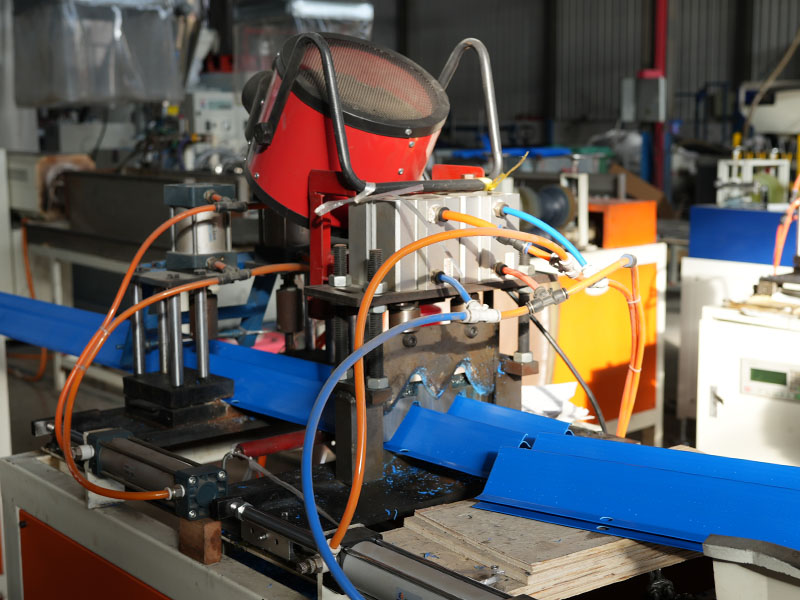
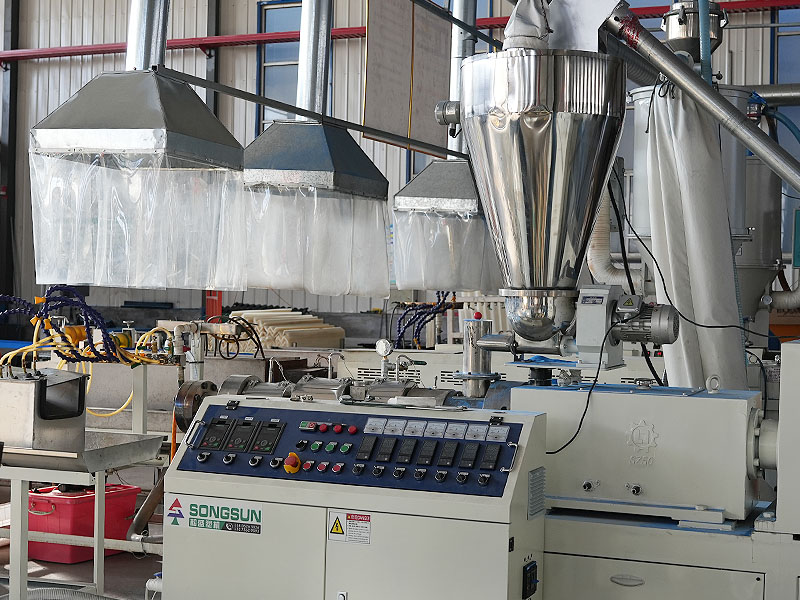
Hi friend, there is a cooling tower packing processing factory here, which has various specifications of cooling tower packing and can also be customized according to your requirements. Are you sure you don't want to come and take a look
Copyright © 2026.Company cooling tower fill factory All rights reserved.