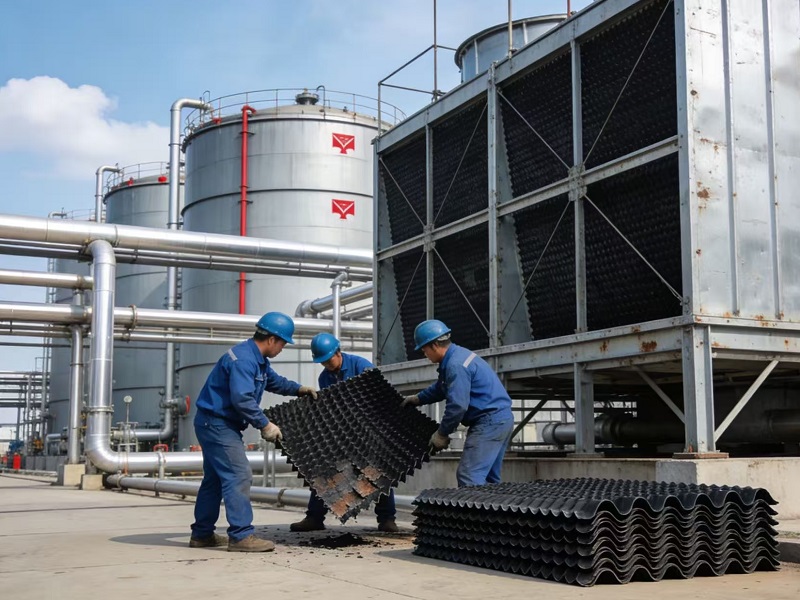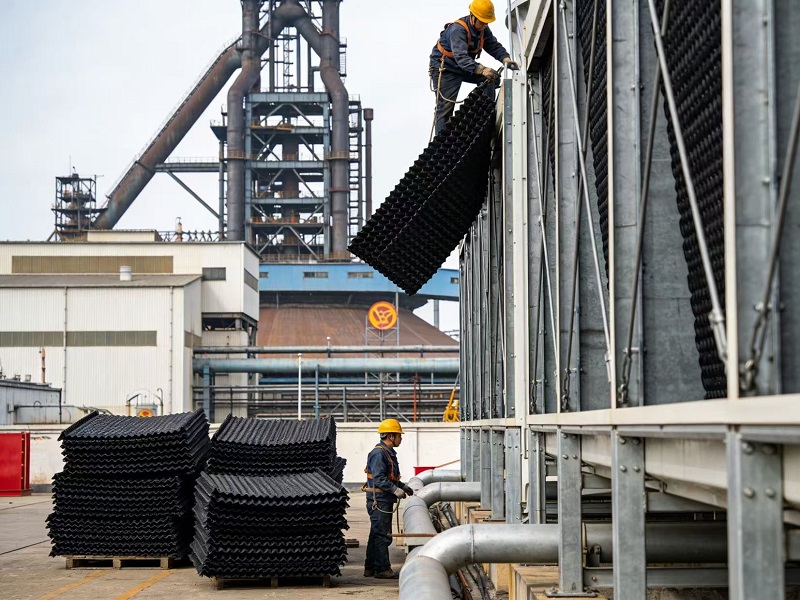
In many industrial cooling systems, the cooling tower fill is the core component that determines heat exchange efficiency. Whether the tower is used in power plants, petrochemical facilities, HVAC systems, or manufacturing plants, properly designed filling cooling tower structures allow water and air to interact efficiently. In this guide, we will walk through how cooling tower filling works, the types used in different tower designs, common materials, structural configurations, maintenance tips, and what buyers should know before choosing a cooling tower filler factory.
Cooling tower fill, sometimes called cooling tower filling or simply fill cooling tower media, is designed to increase the contact surface area between circulating water and airflow. By expanding this surface area, heat transfer improves and water temperature drops more efficiently before returning to the process system.
In practical industrial operation, the fill acts as the heart of the cooling tower. Water flows downward through layers of structured media while air flows upward or horizontally through the tower. As the water spreads into thin films or droplets across the cooling tower filler surfaces, evaporation occurs and heat is removed from the system.
A reliable cooling tower filler factory typically designs the fill with specific corrugation angles and spacing so that water distribution remains uniform while air resistance stays low. This balance is essential for maintaining stable cooling performance across large industrial systems.
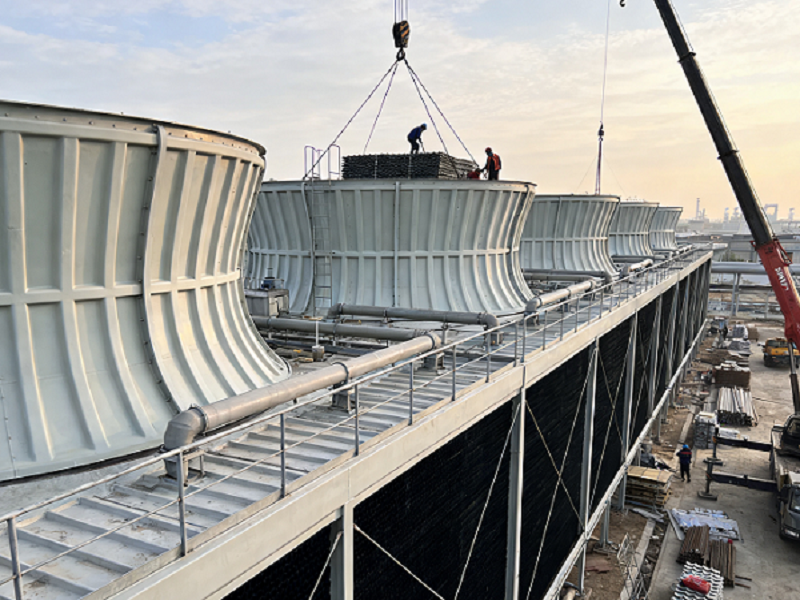
Crossflow cooling towers allow air to move horizontally across the falling water. In these towers, the cooling tower filling is often designed with vertical channels that guide water downward while letting air move through the corrugated passages. This configuration is commonly used in HVAC systems and medium-sized industrial plants.
Crossflow cooling tower fill designs are popular because they require relatively low fan energy while still maintaining good cooling performance. The structure also makes installation and fill replacement factory operations easier during system upgrades.
Counterflow towers operate with air moving upward against the downward flow of water. This design allows longer contact time between water and air, which increases heat exchange efficiency. Because of this, counterflow towers are often used in power generation, heavy industry, and large process plants.
The fill cooling tower structure used in counterflow systems usually contains tighter corrugation angles and optimized channel spacing to improve turbulence and maximize heat transfer.
In applications where water quality is poor or contains suspended solids, splash-type cooling tower filling may be used instead of film fill. Splash bars break water into droplets repeatedly as it moves downward through the tower. This design reduces clogging and is commonly used in mining, steel plants, and wastewater cooling systems.
The material used in cooling tower fill directly affects durability, chemical resistance, and operating temperature limits. Most modern cooling tower filler factory manufacturers provide several material options depending on application requirements.
PVC is the most widely used material for cooling tower filling. It offers good corrosion resistance, smooth water film formation, and relatively low cost. PVC fills are commonly used in HVAC cooling towers and light industrial systems where operating temperatures remain moderate.
Polypropylene fill is suitable for higher temperature environments. Compared with PVC, PP material has stronger thermal resistance and chemical stability. Many petrochemical plants and industrial processing facilities prefer PP fill cooling tower media for long-term operation.
Some cooling tower filler factory suppliers also offer modified plastic blends designed for specific environments such as seawater cooling systems, chemical plants, or high UV exposure conditions.
The structure of cooling tower fill greatly influences how effectively heat is transferred from water to air. Several structural parameters are considered during the design process.
Corrugated film fill uses angled sheets arranged in layers. Water spreads across the surface of the sheets as a thin film, allowing maximum exposure to airflow. This design offers excellent cooling performance and is widely used in modern industrial towers.
Advanced structures such as S-type corrugation or chevron patterns help increase turbulence and improve water distribution. These designs reduce channeling and ensure that the cooling tower filling performs consistently across the entire tower area.
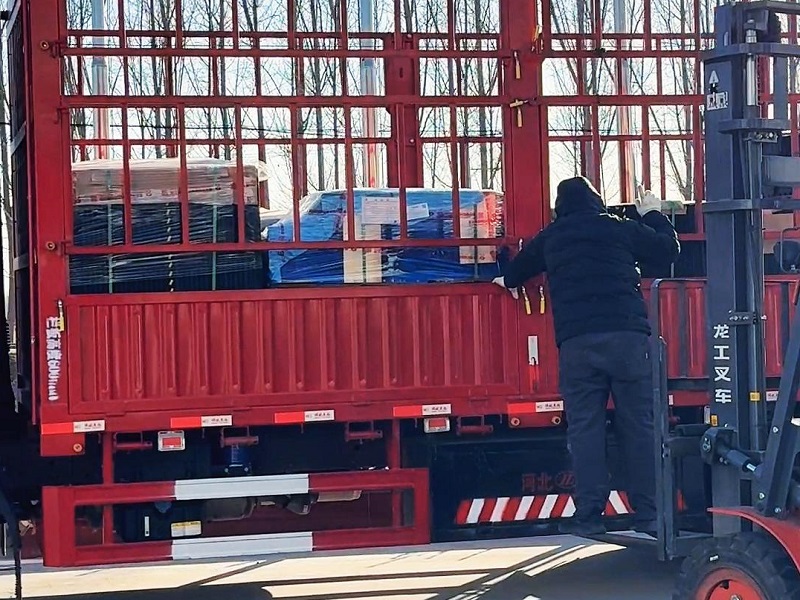
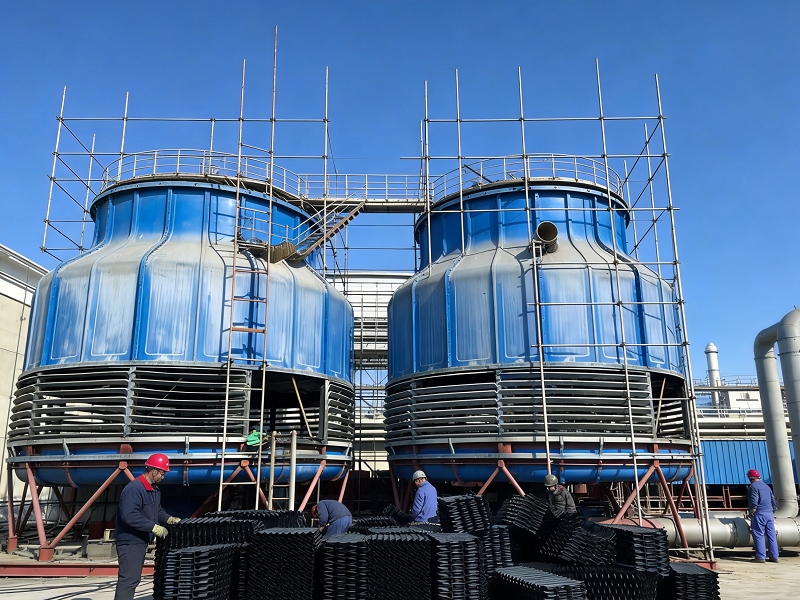
Many modern fill replacement factory manufacturers provide modular blocks that are easy to install and remove. This modular approach simplifies maintenance and allows partial replacement when certain sections become worn or damaged.
While cooling tower fill is the main heat transfer medium, other components also play an important role in maintaining system efficiency.
Air control systems such as Air intake grille type A and B-type air intake grille help regulate airflow entering the tower. Proper air intake structures reduce debris entry and improve airflow distribution across the cooling tower filling layers.
Another important airflow component is the Air intake grille C-type, which is designed to balance airflow and prevent water splash-out from the tower basin area.
Water drift elimination is handled by water collectors installed near the top of the tower. Common options include the M-type aluminum alloy water collector and the M-type ABS alloy water collector. These devices capture water droplets carried by airflow and return them to the system, reducing water loss and protecting surrounding equipment.
Selecting the right cooling tower filling is not only about price. Buyers should carefully evaluate several technical factors before choosing a cooling tower filler factory.
The design of the cooling tower fill must match the required cooling capacity of the system. Towers handling higher heat loads require optimized fill structures to ensure sufficient heat transfer area.
Water containing minerals, algae, or suspended solids can affect the performance of film fill structures. In such cases, buyers may need more open channel designs or splash fill options.
Some industrial cooling processes involve high-temperature water. In these environments, PP cooling tower filling may be more suitable than PVC material.
Working with an experienced fill replacement factory ensures that fill blocks are designed for easier installation and maintenance. Modular fill structures can significantly reduce downtime during maintenance cycles.
Even the best cooling tower filler systems require routine maintenance to ensure long-term performance. Proper care can extend the service life of cooling tower filling and reduce operational costs.
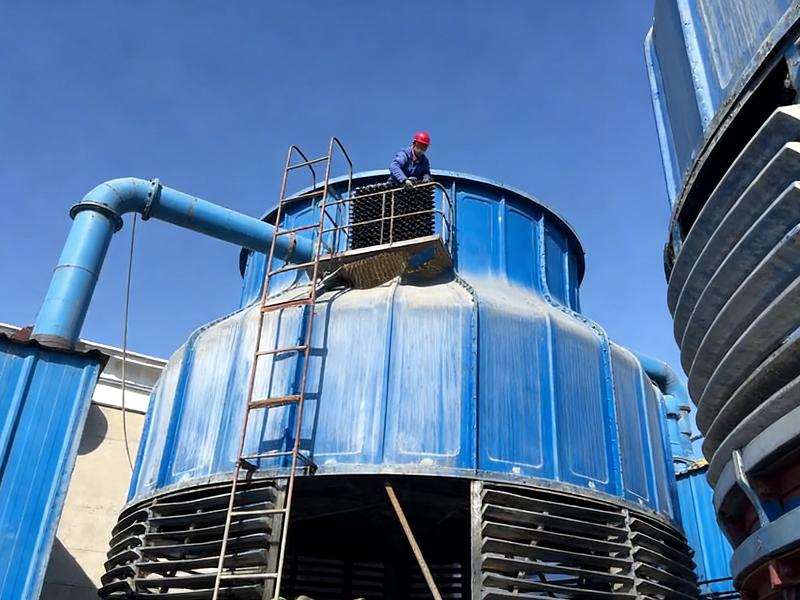
Operators should inspect the fill cooling tower area periodically to check for damage, clogging, or uneven water distribution. Early detection helps prevent larger operational problems.
Scale buildup and biological growth can reduce the efficiency of cooling tower filling surfaces. Maintaining proper water treatment programs helps minimize these issues.
Over time, exposure to heat, chemicals, and UV radiation can weaken fill materials. Many facilities schedule fill replacement every several years depending on operating conditions.
Modern cooling tower filler factory manufacturers are increasingly focusing on energy efficiency and longer service life. Advanced designs now include optimized airflow channels, stronger materials, and modular installation systems that simplify maintenance.
As industries continue to improve energy efficiency and reduce water consumption, the role of high-performance cooling tower fill will become even more important in global industrial cooling systems.
Cooling tower fill is a critical component that directly affects cooling performance, energy consumption, and operational reliability. From material selection to structural design, every aspect of cooling tower filling plays a role in achieving efficient heat exchange. By understanding tower types, fill materials, and maintenance practices, industrial operators can ensure their cooling systems perform efficiently for many years.
If you are planning a new cooling tower project or replacing existing cooling tower filling, our engineering team can help you evaluate the most suitable solution. Different tower structures, airflow conditions, and water quality requirements often require customized fill designs.
If you are unsure about the correct specifications, you can send us your cooling tower drawings, photos, or fill samples. Our team will review the structure and recommend the most suitable cooling tower filler configuration for your system.
You can also contact our team directly for technical support and product details.
Precision design for efficient heat exchange. Improves cooling efficiency and reduces operating energy consumption.
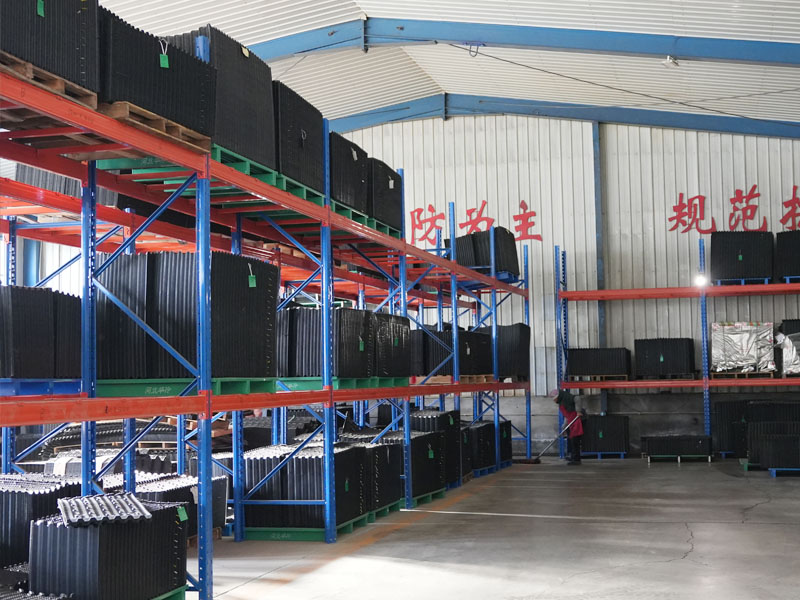
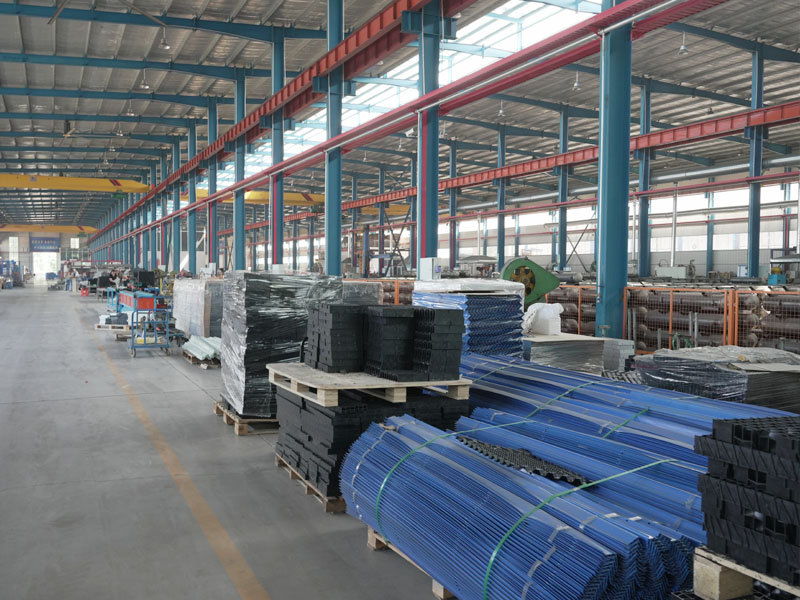
We have a large supermarket stock of cooling tower packing materials, with a variety of product specifications.
Provide customized cooling tower packing solutions to accurately match the needs of different brands of cooling tower projects.
Our experienced team provides comprehensive technical support to ensure timely and high-quality delivery of cooling tower packing orders.

The cooling tower fill from this supplier has significantly improved our system's efficiency. Installation was straightforward, and we've noticed a consistent temperature drop since switching to their product.
Plant Manager

Durability was our main concern, and this fill material has held up exceptionally well even in harsh conditions. It has reduced our maintenance cycles and downtime.
Operations Director

We needed a drop-in replacement for an older system. Their technical support helped us select the right fill, and the performance has exceeded our expectations.
Facilities Engineer

The fill blocks arrived well-packed and were easy to install. Our cooling tower now runs more quietly and with better heat dissipation.
Maintenance Supervisor

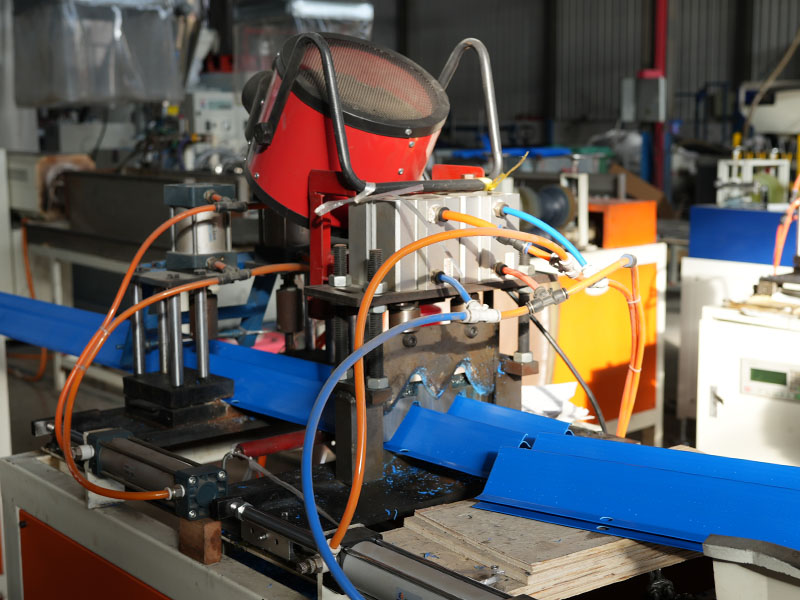
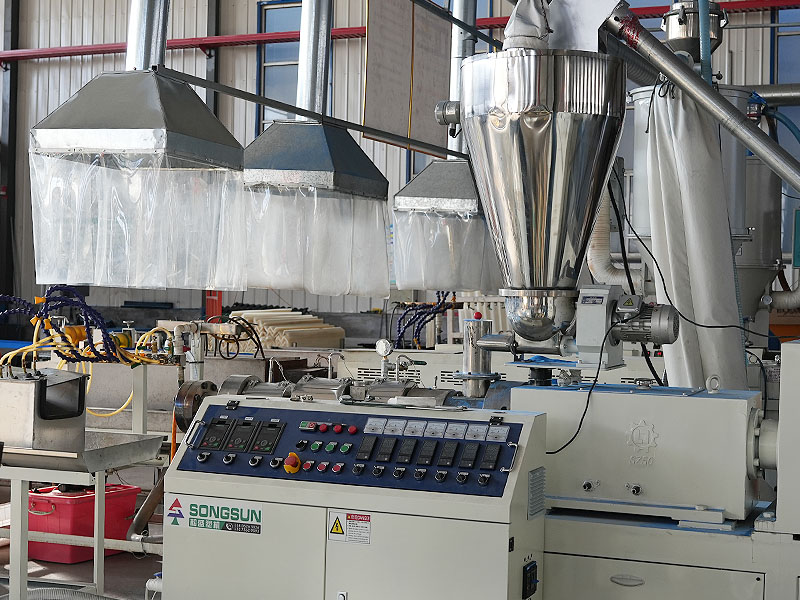
Hi friend, there is a cooling tower packing processing factory here, which has various specifications of cooling tower packing and can also be customized according to your requirements. Are you sure you don't want to come and take a look
Copyright © 2026.Company cooling tower fill factory All rights reserved.