1. Search Intent Type:
2. Google SERP Characteristics:
3. Recommended Article Length:
When engineers or procurement teams search for cooling tower fill, they are usually not looking for theory. They want a clear answer: which type works best for their system and how to avoid costly mistakes.
In real projects across Southeast Asia and the Middle East, selecting the wrong cooling tower infill leads to efficiency loss, frequent shutdowns, and repeated replacement. A professional cooling tower fill supplier should help you avoid these issues from the beginning.
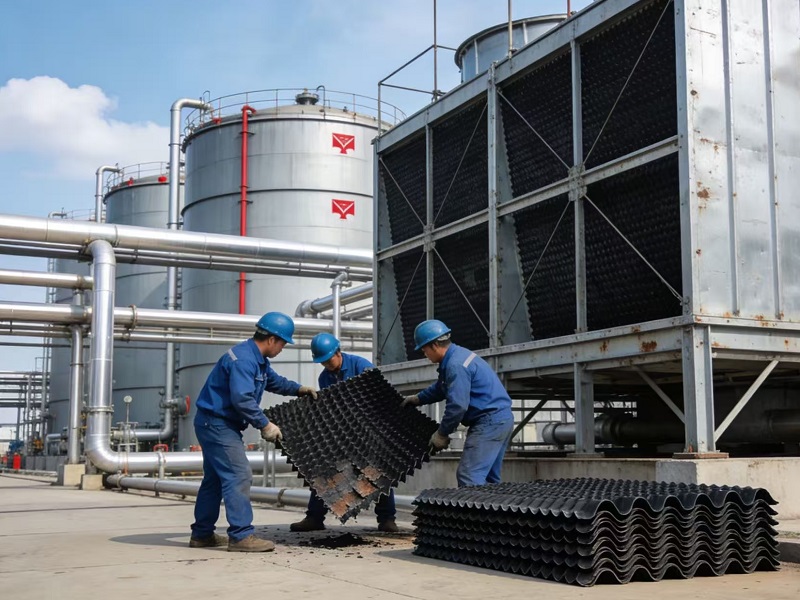
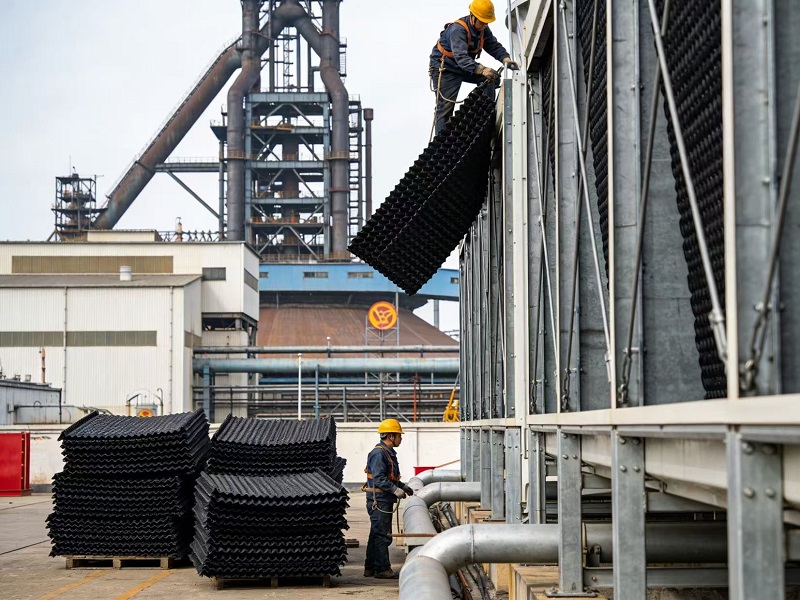
The core function of cooling tower fill is to maximize the contact area between water and air.
Without properly selected cooling tower infill, even a well-designed system will underperform.
Water quality directly determines the type of cooling tower fill you should choose.
High temperature conditions require materials that can withstand thermal stress.
Fill structure must match airflow characteristics inside the tower.
Compact towers often require high-efficiency cooling tower fill with optimized surface area.
Film cooling tower infill creates thin water layers for maximum heat transfer efficiency.
Splash-type cooling tower fill breaks water into droplets, making it more resistant to clogging.
Corrugated cooling tower infill balances efficiency and durability, widely used in industrial systems.
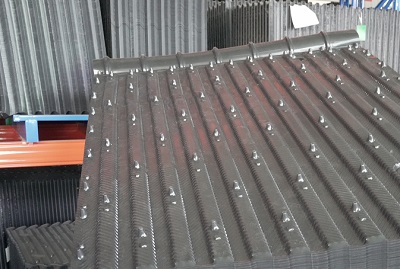
PVC is widely used due to cost-effectiveness and good heat transfer properties.
PP cooling tower fill performs better in high-temperature or chemically aggressive environments.
A reliable cooling tower fill supplier will recommend material based on actual working conditions rather than price alone.
Low-cost cooling tower infill often results in higher long-term expenses.
Using the wrong type of cooling tower fill leads to rapid clogging.
Fill must match the existing tower structure and support system.
Choosing an inexperienced cooling tower fill replacement supplier increases project risk.
Review water quality, temperature, and airflow design.
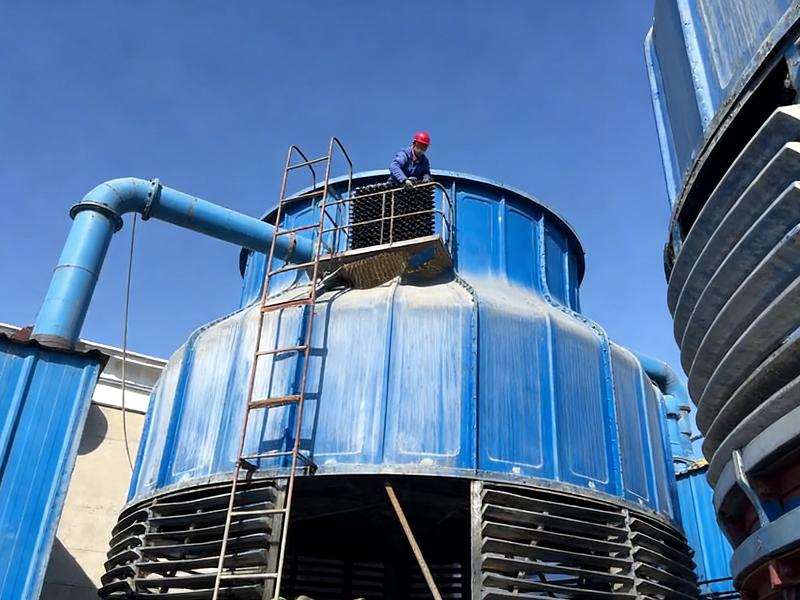
Evaluate different cooling tower infill structures and materials.
Check production quality and technical support from the cooling tower fill supplier.
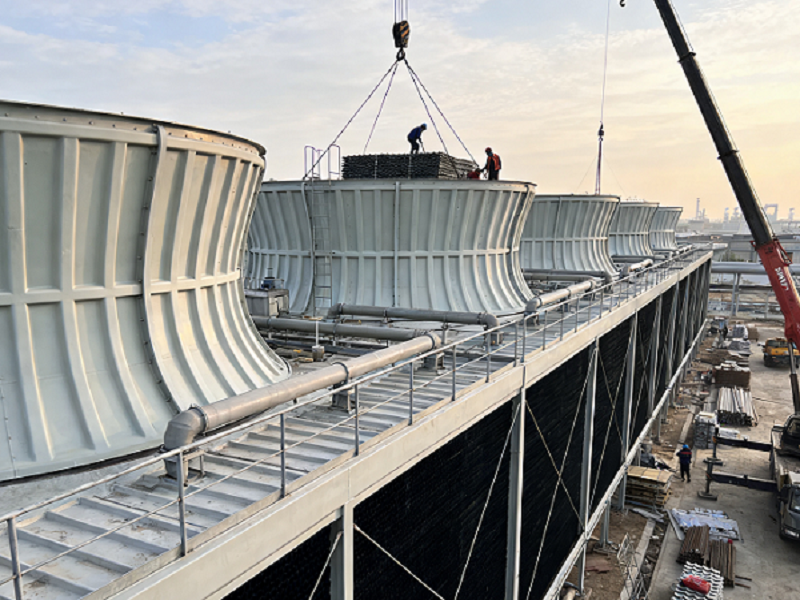
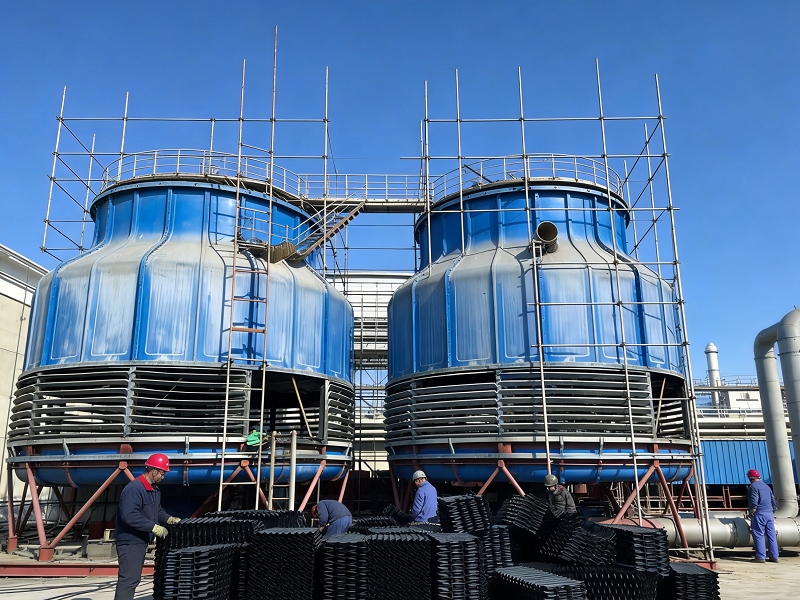
Work with a cooling tower fill replacement supplier to ensure smooth installation.
A plant using low-cost cooling tower fill experienced severe clogging within 12 months. After switching to PP-based cooling tower infill, maintenance frequency dropped by over 40**.
PVC cooling tower fill failed under high ambient temperatures. Replacing it with PP material solved deformation issues and stabilized performance.
Film cooling tower infill was replaced with splash design to handle suspended solids, significantly reducing blockage problems.
Efficient water recovery improves system balance.
Multidimensional water collector New type of multi fold wave water collector
For extreme conditions, specialized components improve durability.
High temperature U-shaped water collector
Reducing water loss improves system efficiency.
Choosing the right cooling tower fill is not just about initial cost. It affects:
In most real cases, working with a professional cooling tower fill supplier reduces total lifecycle cost.
Selecting cooling tower fill requires a balance between engineering logic and practical experience. There is no universal solution — each system needs a tailored approach.
For procurement teams, the safest strategy is to evaluate conditions carefully and collaborate with a reliable cooling tower fill replacement supplier.
Film fill offers the highest efficiency under clean water conditions.
PP performs better than PVC in high temperature environments.
Select the correct structure based on water quality.
It may increase long-term operational costs.
Yes experienced suppliers help ensure correct selection.
This guide is written by a cooling tower engineer with over 10 years of experience supporting industrial projects in Asia and the Middle East, focusing on system optimization and material selection.
Precision design for efficient heat exchange. Improves cooling efficiency and reduces operating energy consumption.
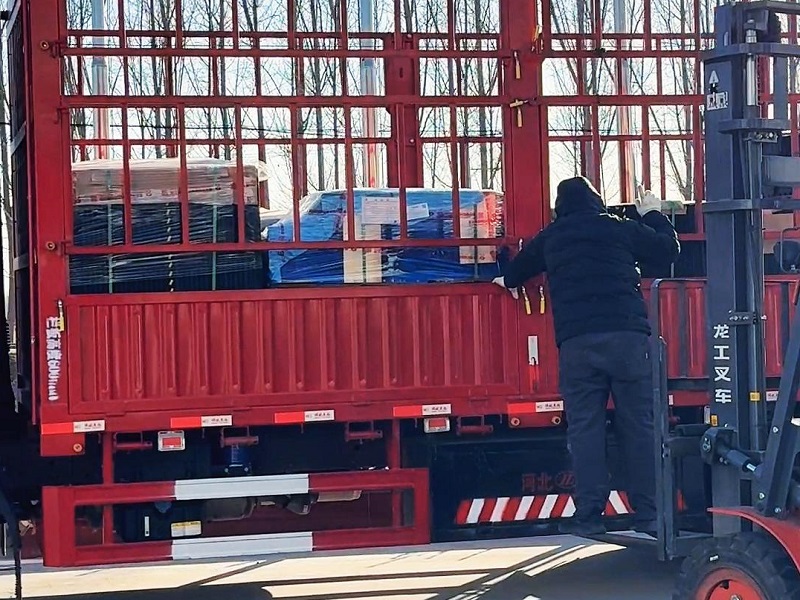
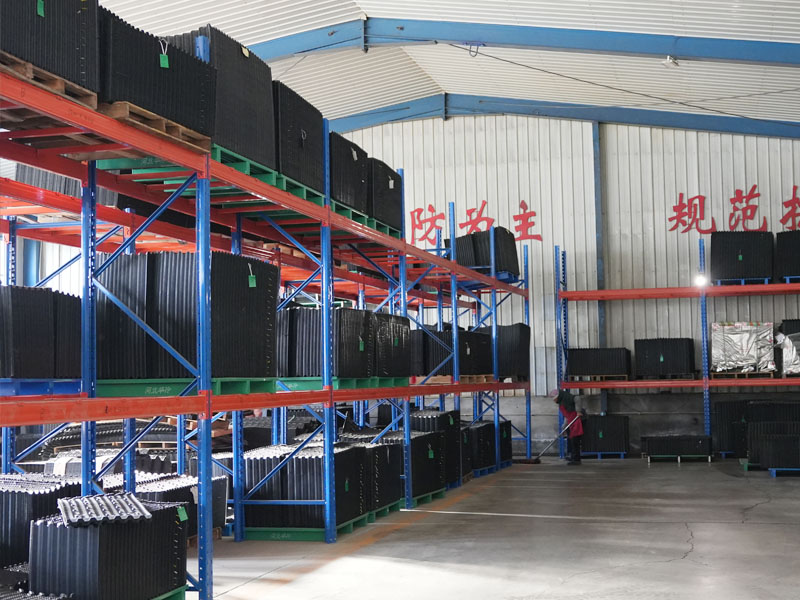
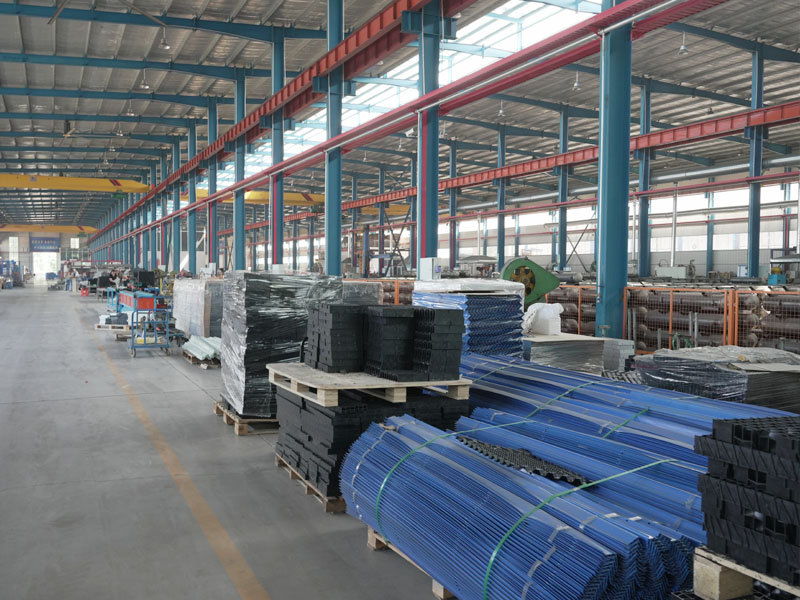
We have a large supermarket stock of cooling tower packing materials, with a variety of product specifications.
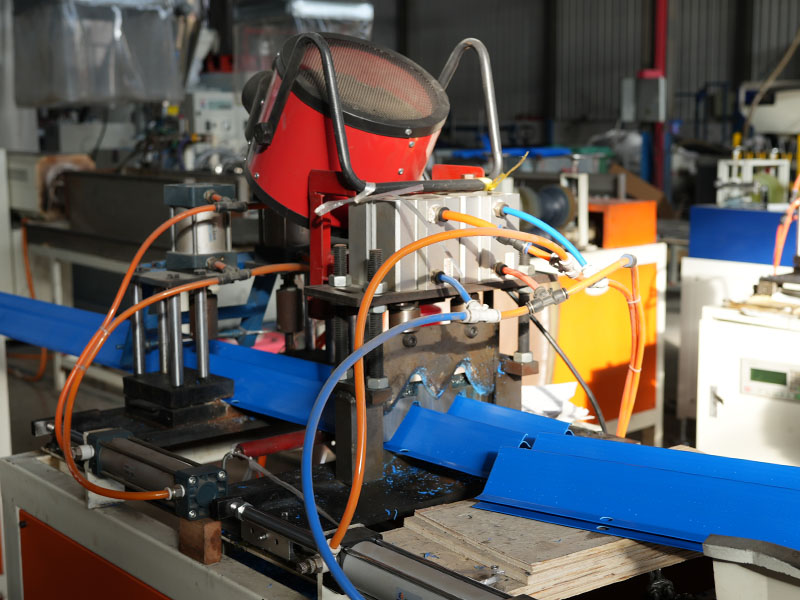
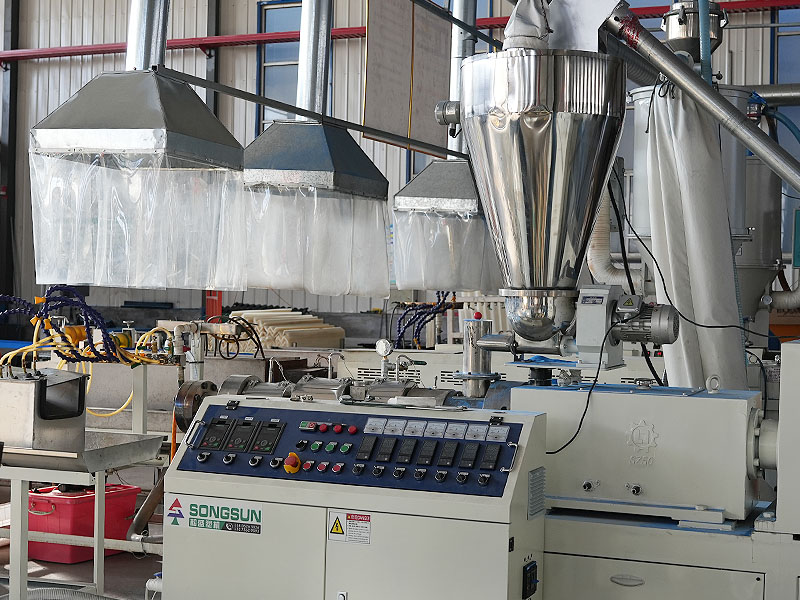
Provide customized cooling tower packing solutions to accurately match the needs of different brands of cooling tower projects.
Our experienced team provides comprehensive technical support to ensure timely and high-quality delivery of cooling tower packing orders.

The cooling tower fill from this supplier has significantly improved our system's efficiency. Installation was straightforward, and we've noticed a consistent temperature drop since switching to their product.
Plant Manager

Durability was our main concern, and this fill material has held up exceptionally well even in harsh conditions. It has reduced our maintenance cycles and downtime.
Operations Director

We needed a drop-in replacement for an older system. Their technical support helped us select the right fill, and the performance has exceeded our expectations.
Facilities Engineer

The fill blocks arrived well-packed and were easy to install. Our cooling tower now runs more quietly and with better heat dissipation.
Maintenance Supervisor

Hi friend, there is a cooling tower packing processing factory here, which has various specifications of cooling tower packing and can also be customized according to your requirements. Are you sure you don't want to come and take a look
Copyright © 2026.Company cooling tower fill factory All rights reserved.