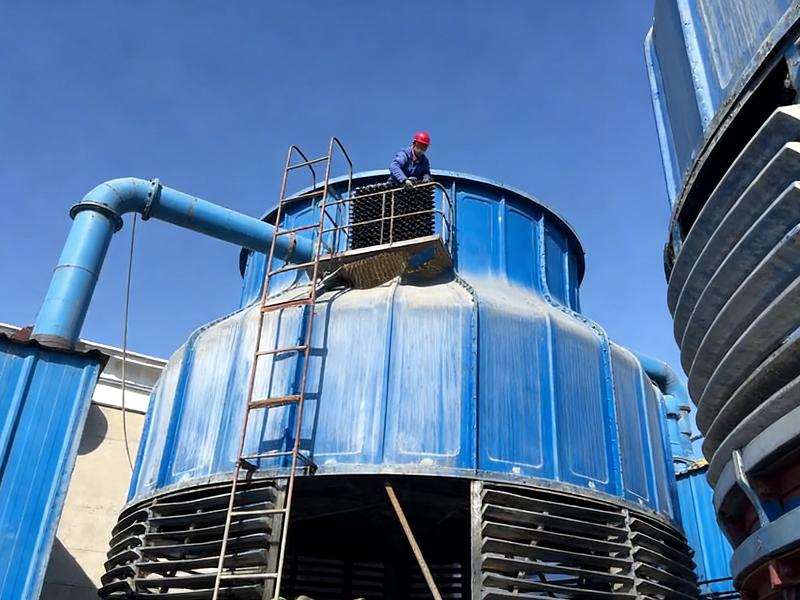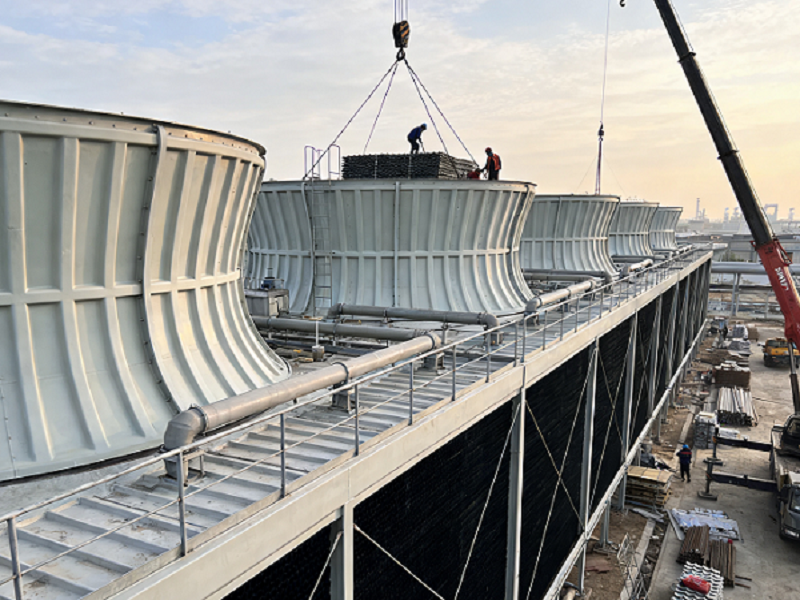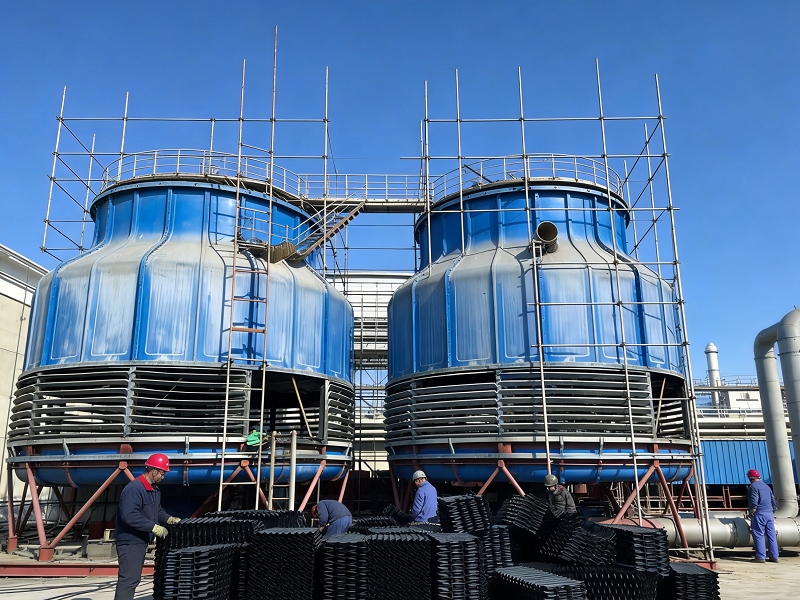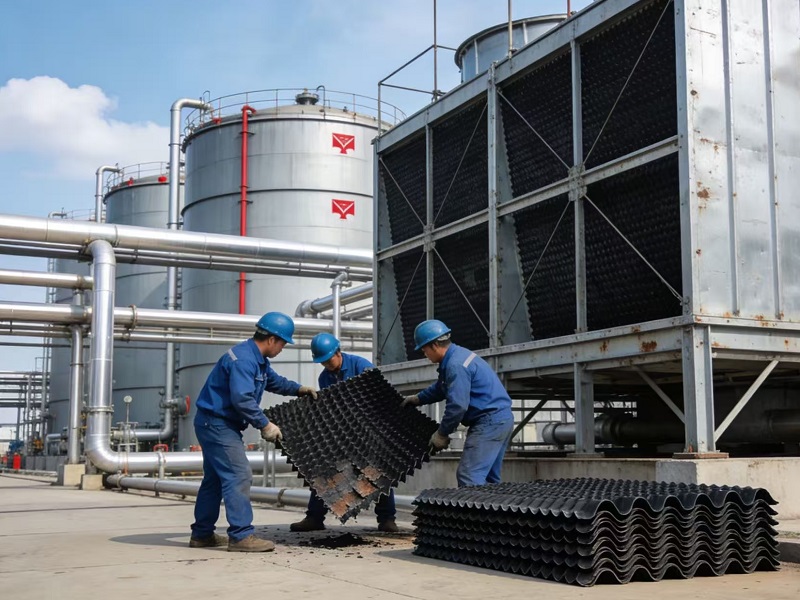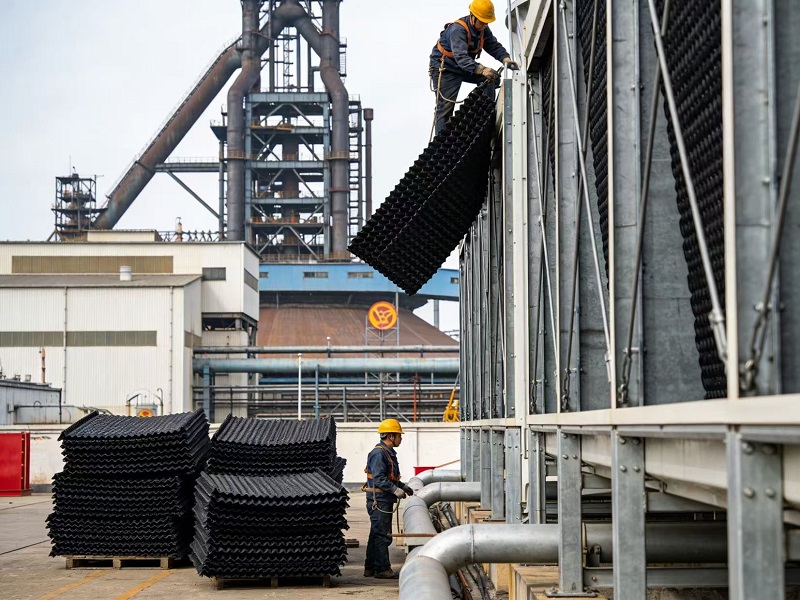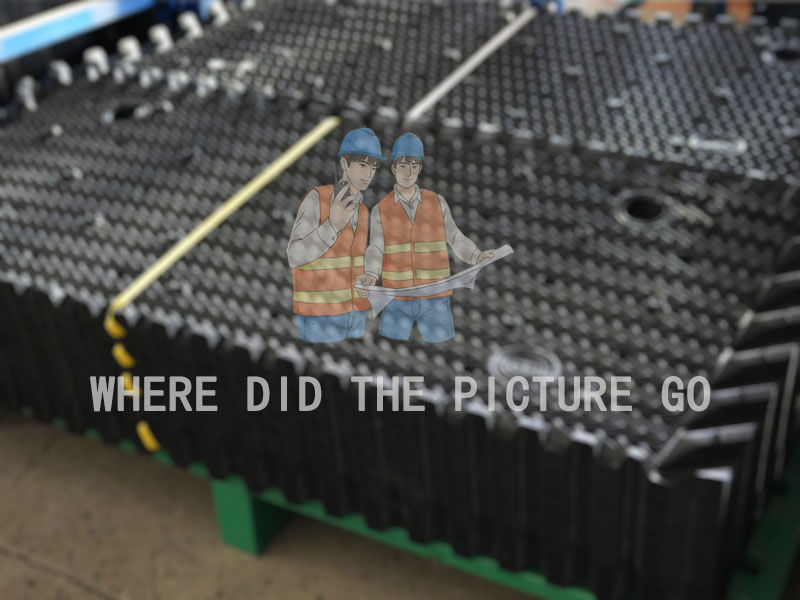
In real industrial cooling systems, unstable performance is rarely caused by external equipment like fans or pumps. The real bottleneck is usually inside the heat exchange zone — the Cooling Fill. Once the internal media starts to foul, deform, or lose surface efficiency, the whole system begins to drift away from its design performance.
For industrial users in Southeast Asia, the Middle East, and East Asia, this problem is even more obvious because high temperature, dust, and inconsistent water quality accelerate degradation of Industrial Tower Fill. That is why experienced engineers always treat Cooling Tower Media as a core performance component, not just a consumable.
Cooling Tower Media is the structured internal system that enables heat exchange between hot water and cooling air. It is not just a filler — it is an engineered surface designed for thermodynamic efficiency.
In practical operation, Cooling Fill works through three mechanisms:
Without properly designed cooling tower infill, even a high-capacity cooling tower will fail to achieve stable outlet temperatures.
Film Fill is the most widely used configuration in modern industrial cooling systems. It spreads water into thin films across structured PVC or PP sheets.
This design is commonly used in clean water systems where efficiency is the priority. Variants like CrossFluted Fill improve turbulence and heat exchange performance.
Splash Fill operates by breaking water into droplets through repeated impact surfaces. It is more robust in contaminated water conditions and less prone to clogging.
However, its thermal efficiency is lower compared to film-based Cooling Tower Media.
Corrugated Fill is designed to balance airflow resistance and heat transfer efficiency. It is widely used in large industrial towers where structural stability and durability are important.
PVC remains the most common material for Cooling Fill due to its cost efficiency and good thermal performance in moderate conditions.
PP fill media is used in high-temperature or chemically aggressive environments. It maintains structural stability where PVC begins to soften or degrade.
In petrochemical plants and power generation systems, PP-based Cooling Tower Media is often the preferred choice.
The performance of Cooling Fill depends on multiple interacting engineering parameters:
Field experience shows that upgrading outdated cooling tower infill systems can improve thermal efficiency by 12**–28**, depending on baseline conditions.
Another often overlooked factor is drift control. Without proper water recovery, even high-efficiency fill systems lose performance. Advanced systems such as:
help stabilize water balance and reduce system losses significantly.
Proper selection of tower fill is an engineering decision, not a procurement shortcut. A qualified cooling tower fill supplier will always evaluate system conditions before recommending materials.
Key evaluation factors include:
Standard selection logic used in real projects:
For long-term reliability, working with a qualified cooling tower fill replacement supplier is critical because improper selection often leads to repeated failures.
Clogging occurs when suspended solids accumulate inside the Cooling Tower Media channels, restricting airflow and water distribution.
Typical solutions include improved filtration and redesigned channel geometry.
Scaling is caused by mineral deposition on the surface of Cooling Fill, reducing heat transfer efficiency over time.
Regular water treatment and chemical control are essential countermeasures.
Aging results from long-term exposure to heat, UV radiation, and chemical agents. It leads to brittleness and structural collapse of cooling tower infill.
Using higher-grade materials significantly extends service life.
Proper maintenance ensures stable long-term operation of Cooling Fill systems:
Preventive maintenance is always more cost-effective than emergency shutdown repairs.
A palm oil processing plant experienced declining efficiency due to fouled PVC film fill. After upgrading to optimized Corrugated Fill, cooling performance improved by approximately 20**, and maintenance cycles were reduced.
A petrochemical plant faced repeated deformation of standard Cooling Tower Media under high ambient temperatures. Switching to PP fill media stabilized system operation and extended service life beyond five years.
A steel manufacturing plant using recycled water suffered severe clogging issues. After switching to splash-based cooling tower infill, blockage frequency decreased significantly and system reliability improved.
Cooling Fill is the core performance driver in any cooling tower system. Its selection, maintenance, and material quality directly determine system efficiency and operational stability.
Understanding different types of Industrial Tower Fill and Cooling Tower Media allows engineers and procurement teams to make informed decisions that reduce long-term cost and improve system reliability.
Typically 3–8 years depending on material type and operating conditions.
PP fill media is recommended due to its thermal stability.
Yes, if degradation is not structural, cleaning may restore partial performance.
Poor water quality and lack of maintenance are the most common causes.
Check engineering experience, material quality, and real project references.
This article is written from the perspective of an industrial cooling tower engineer with over 10 years of field experience in system optimization, troubleshooting, and performance improvement across Asia and the Middle East.
For technical reference, ASHRAE and Cooling Technology Institute (CTI) standards are commonly used in industry practice.
Precision design for efficient heat exchange. Improves cooling efficiency and reduces operating energy consumption.
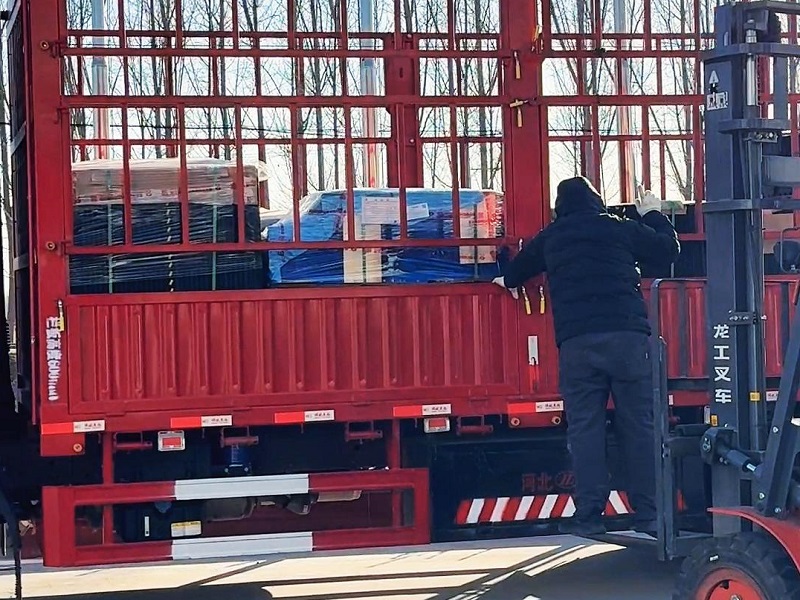
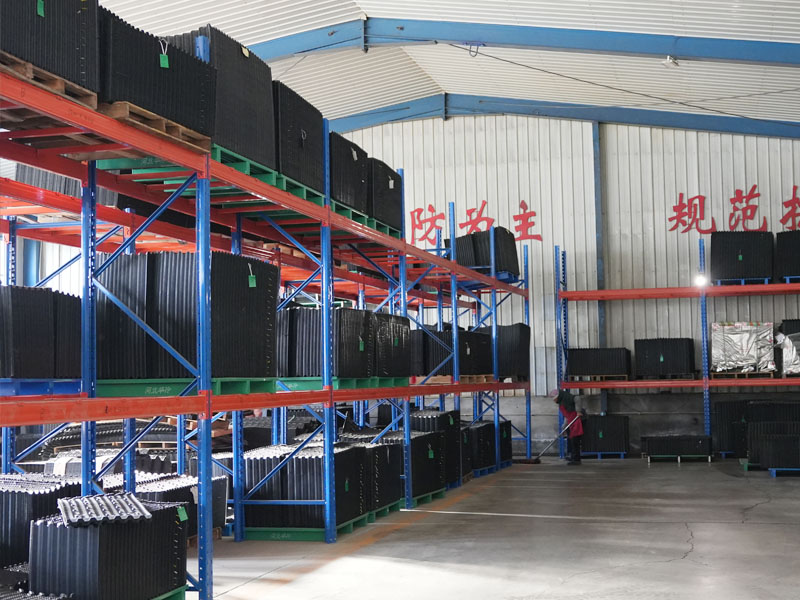
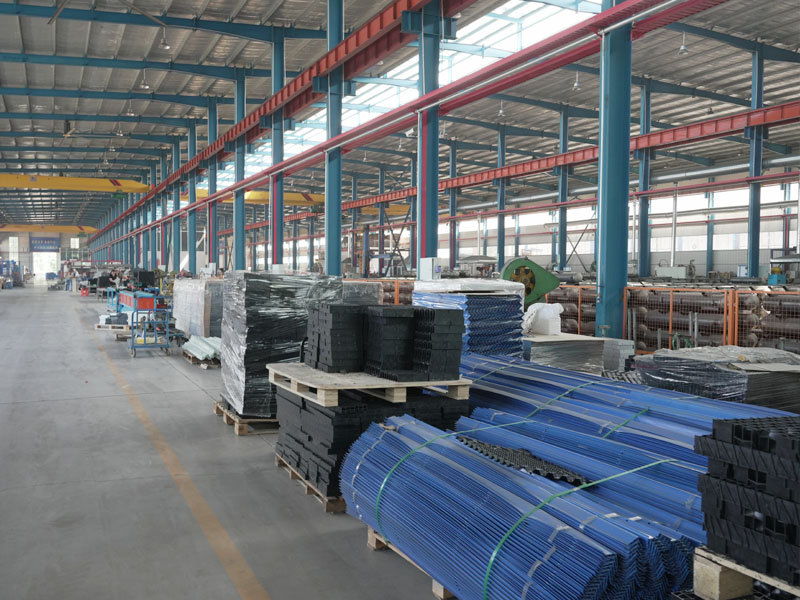
We have a large supermarket stock of cooling tower packing materials, with a variety of product specifications.
Provide customized cooling tower packing solutions to accurately match the needs of different brands of cooling tower projects.
Our experienced team provides comprehensive technical support to ensure timely and high-quality delivery of cooling tower packing orders.

The cooling tower fill from this supplier has significantly improved our system's efficiency. Installation was straightforward, and we've noticed a consistent temperature drop since switching to their product.
Plant Manager

Durability was our main concern, and this fill material has held up exceptionally well even in harsh conditions. It has reduced our maintenance cycles and downtime.
Operations Director

We needed a drop-in replacement for an older system. Their technical support helped us select the right fill, and the performance has exceeded our expectations.
Facilities Engineer

The fill blocks arrived well-packed and were easy to install. Our cooling tower now runs more quietly and with better heat dissipation.
Maintenance Supervisor

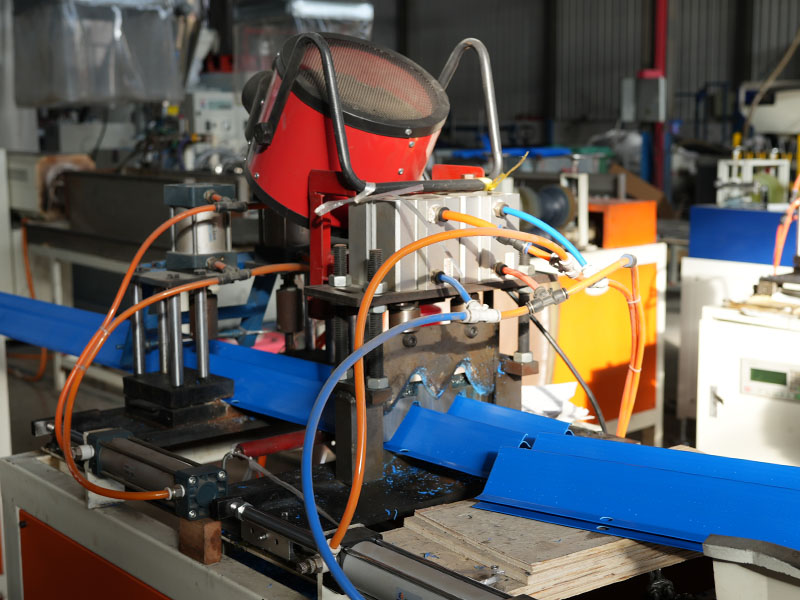
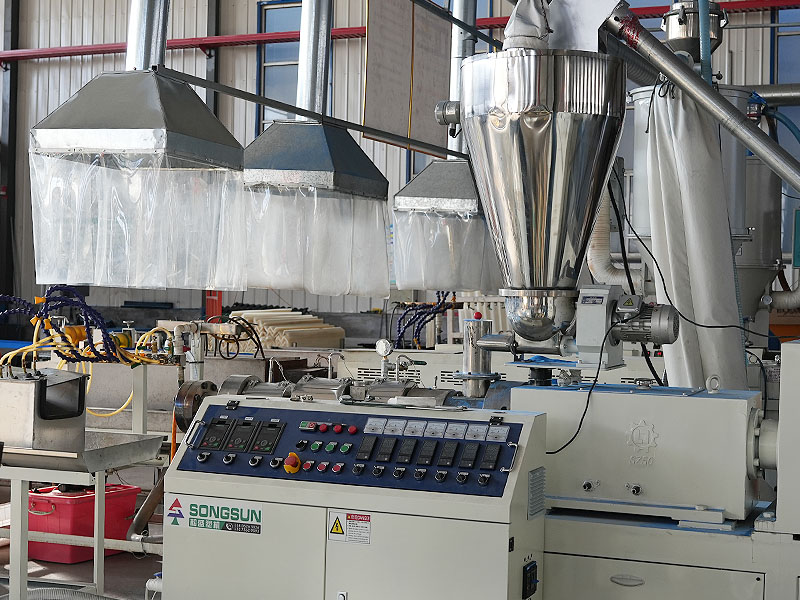
Hi friend, there is a cooling tower packing processing factory here, which has various specifications of cooling tower packing and can also be customized according to your requirements. Are you sure you don't want to come and take a look
Copyright © 2026.Company cooling tower fill factory All rights reserved.