What "corrugated" actually means
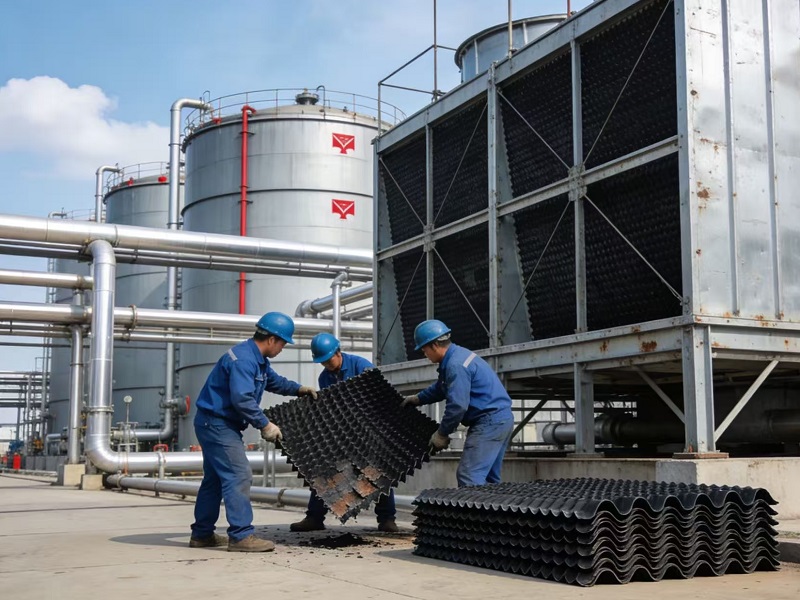
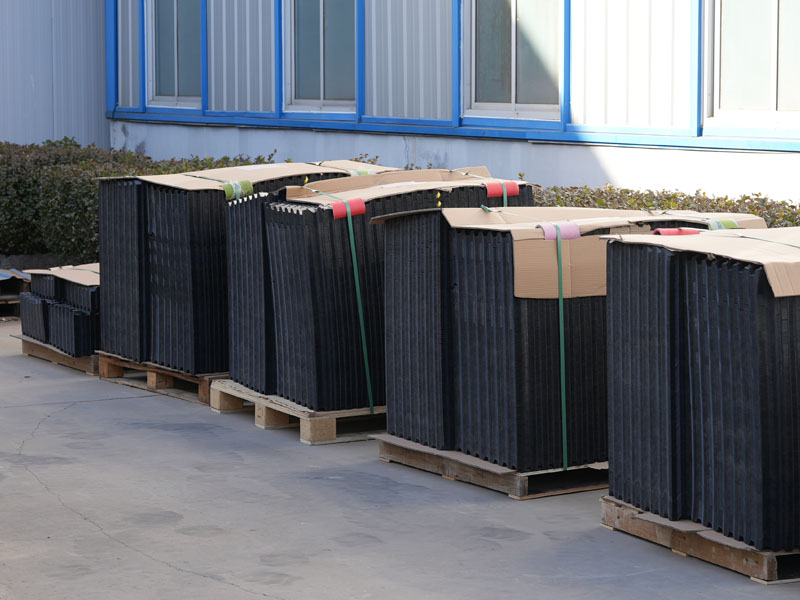
Instead of simple flat sheets, corrugated fills have repeating ridges and channels — these increase the surface area and manage the water path deliberately, which improves both mass and heat transfer without massively increasing airflow resistance.
S-Corrugated and crest height — small changes, measurable gains
Manufacturers tune corrugation geometry (crest height, pitch) to trade off between air-side resistance and heat transfer. In many modern tests, slight increases in crest height improved heat transfer by measurable percentages — small design changes can yield practical gains.
Material and manufacturing choices
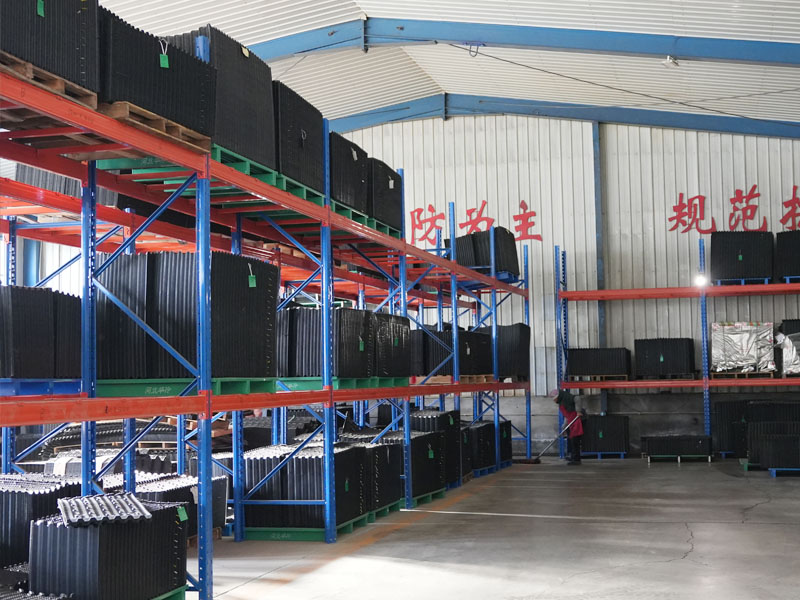
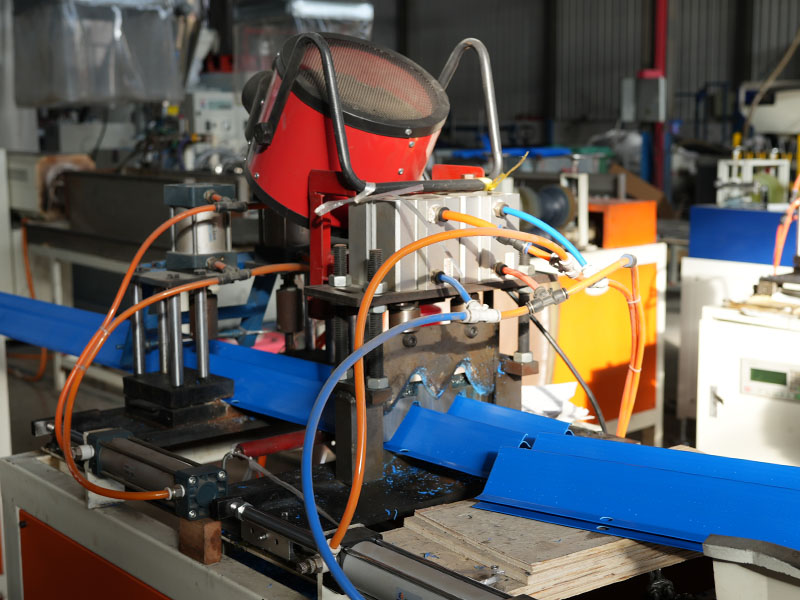
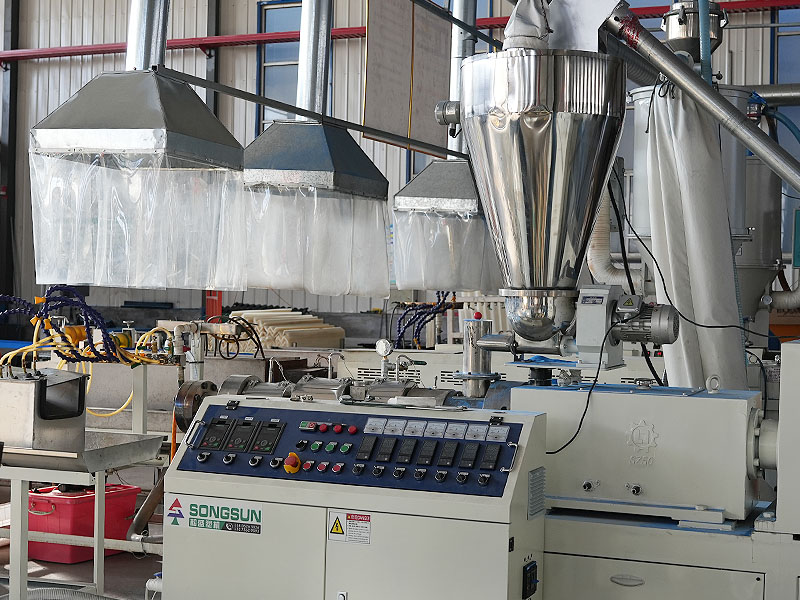
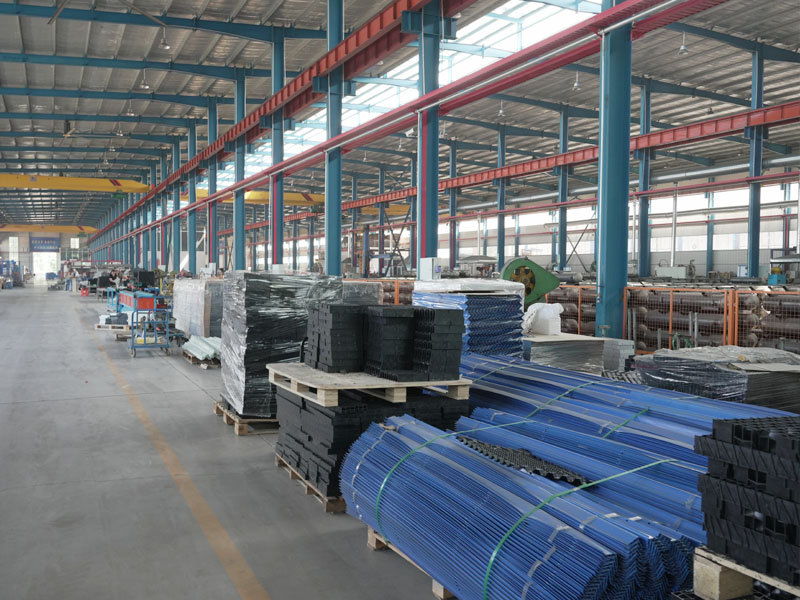
Corrugated fills are usually PVC or PP. Higher-spec grades resist oxidation, chlorine exposure, and UV better. Good factories press and glue sheets into modules and apply quality control so the channels stay consistent.
Installation tips
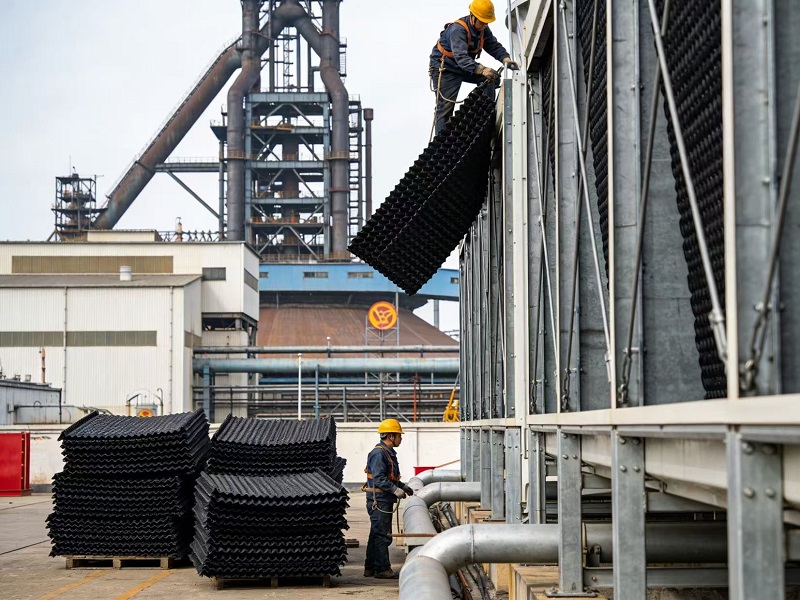
Stack modules so corrugations alternate direction where required (some designs call for inverted corrugations every sheet). Use recommended clips or adhesive, and ensure the distributor nozzles give even spread across the top.
When corrugated is the right pick
Choose corrugated fills when you want compact capacity, good efficiency, and your water is treated enough to avoid rapid clogging. They’re a common choice for retrofits where you want more capacity in the same footprint.
Other benefits
Corrugated fills can reduce water consumption and lower operating costs due to better evaporation per unit volume — a win if you pay for water or electricity heavily.
Interested in corrugated (S-type) fill samples?
We can send data sheets, crest-height comparisons, and suggested module layouts for your tower cell sizes.