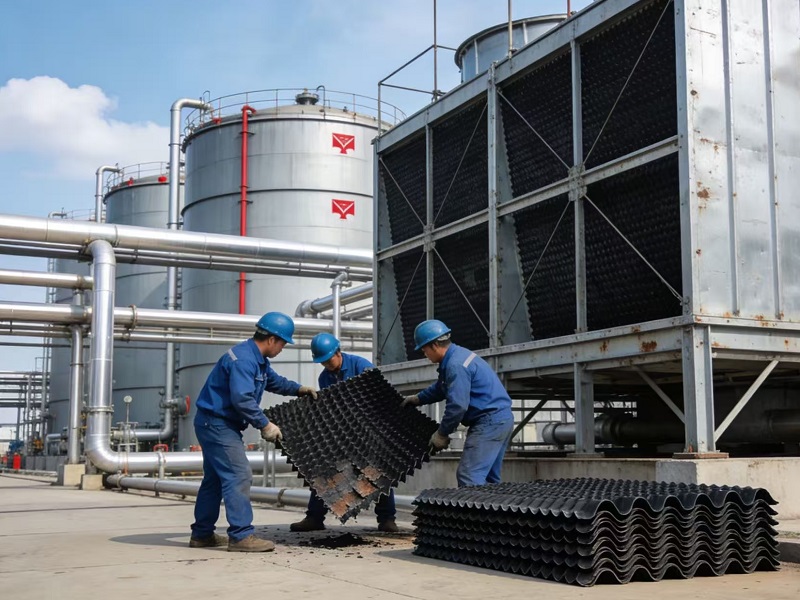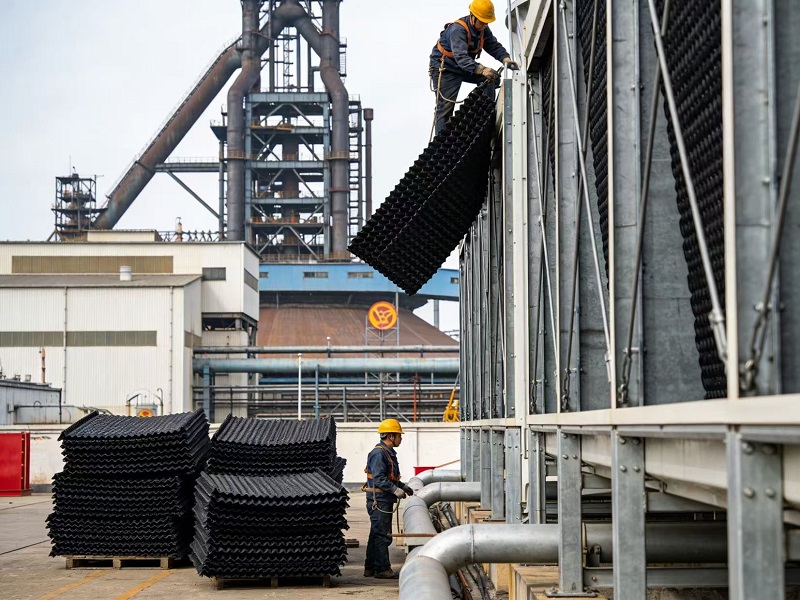
Cooling Tower Fill Replacement is a high-impact maintenance activity: when done right it restores cooling capacity, reduces energy use, and cuts recurring maintenance. This guide walks you through why replacement matters, how to choose the right replacement Cooling tower fill, the replacement process, common pitfalls, and measurable post-replacement KPIs you should track. It’s written for facility managers, maintenance planners and procurement teams who need practical, actionable steps — not a textbook.
Over years of service, fill media gets clogged with scale and biofilm, warps from heat and chemicals, and eventually loses surface area and hydraulic performance. Symptoms that point to replacement versus cleaning include persistently higher outlet water temperature, increasing fan power for the same duty, brittle or collapsed sheets, and cleaning that only temporarily restores performance. Replacing the Cooling Fill often yields immediate, measurable gains in approach temperature and energy consumption.
A quick decision rule: if routine cleaning restores >90** of design performance and the fill is structurally sound, cleaning + spot repairs may be enough. If performance gains are small after cleaning, or the material is brittle, warped, or heavily scaled, replacement is the more cost-effective option over the medium term.
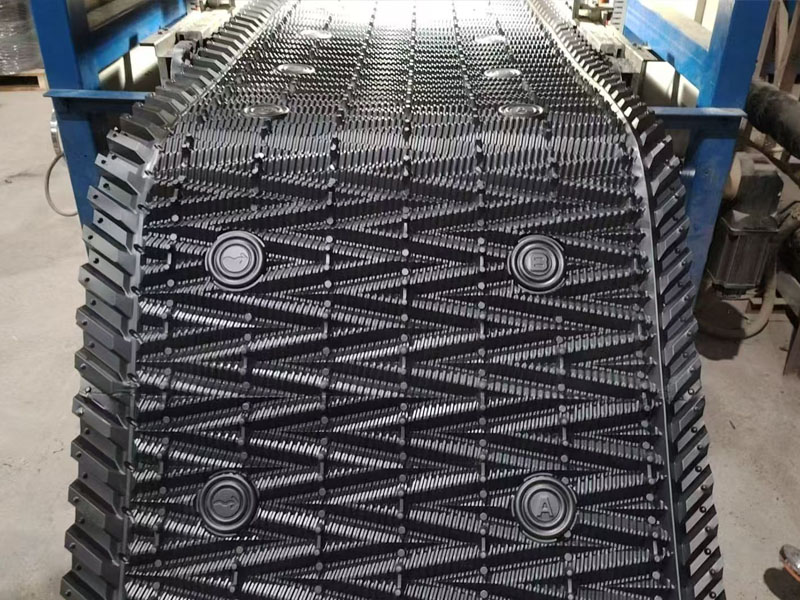
Choice should be driven by tower type, water quality, thermal targets, and budget. Key choices include material (PVC vs PP), geometry (film vs splash vs corrugated), and whether to buy standard blocks or order custom-cut modules for retrofit fit.
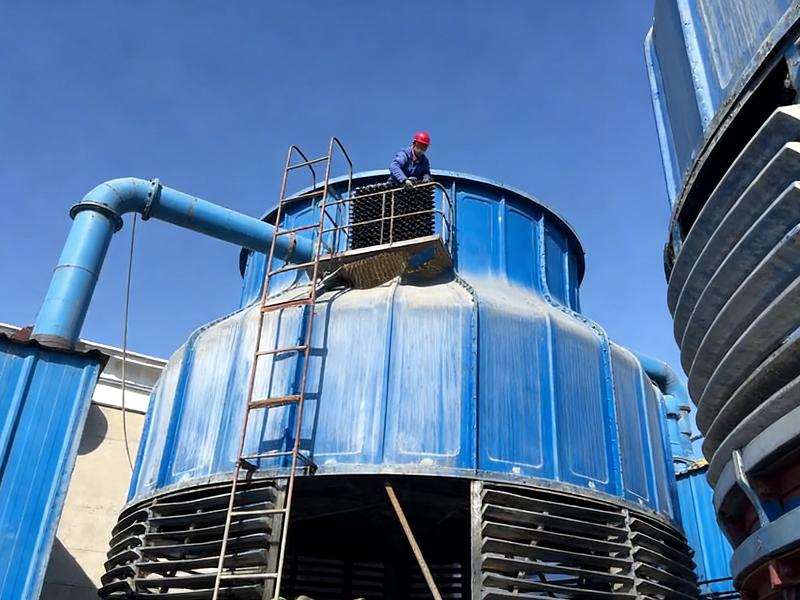
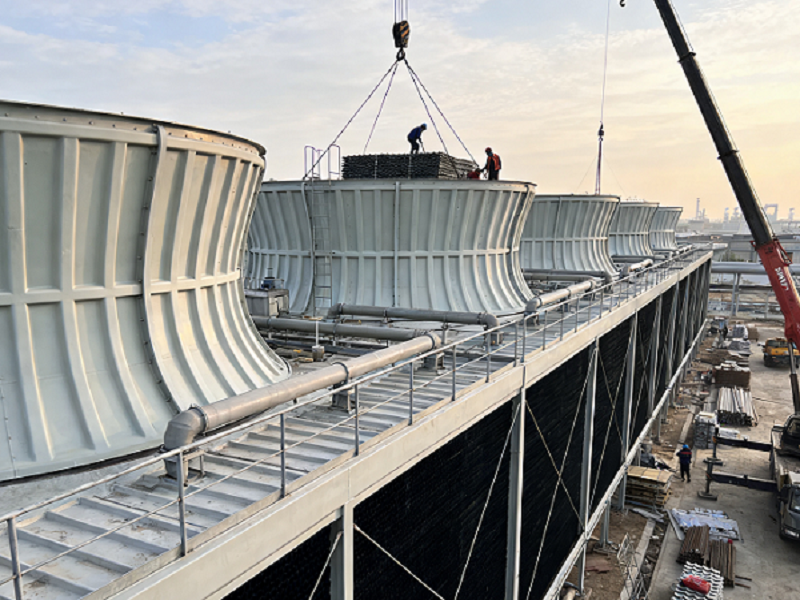
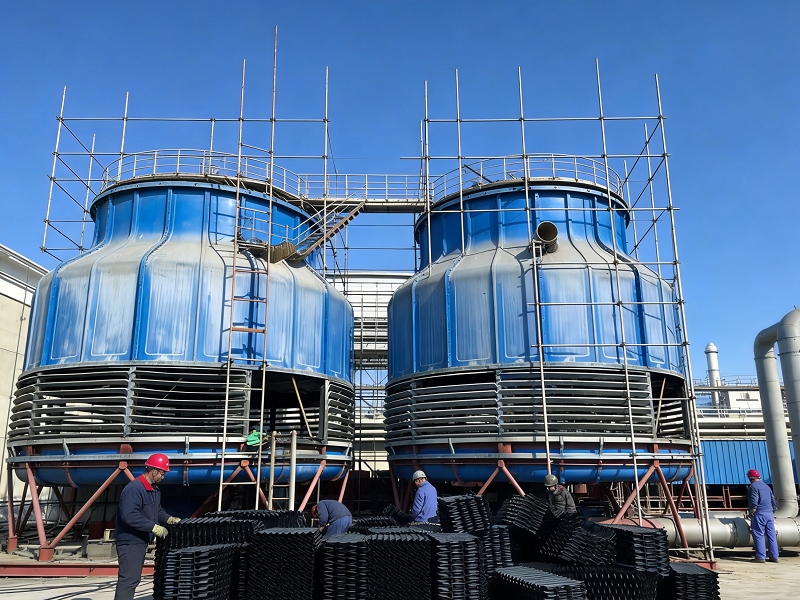
Replacement projects are straightforward when planned. A typical flow:
Replacement projects can fail to deliver expected gains if these issues are ignored:
Track simple KPIs to confirm the replacement success:
While upfront cost varies by material and customization, many customers recover replacement cost through reduced energy use and lower maintenance within 12–36 months. Replacing old, degraded fill with modern Cooling Tower Media often yields faster ROI when energy prices or load-critical uptime are important.
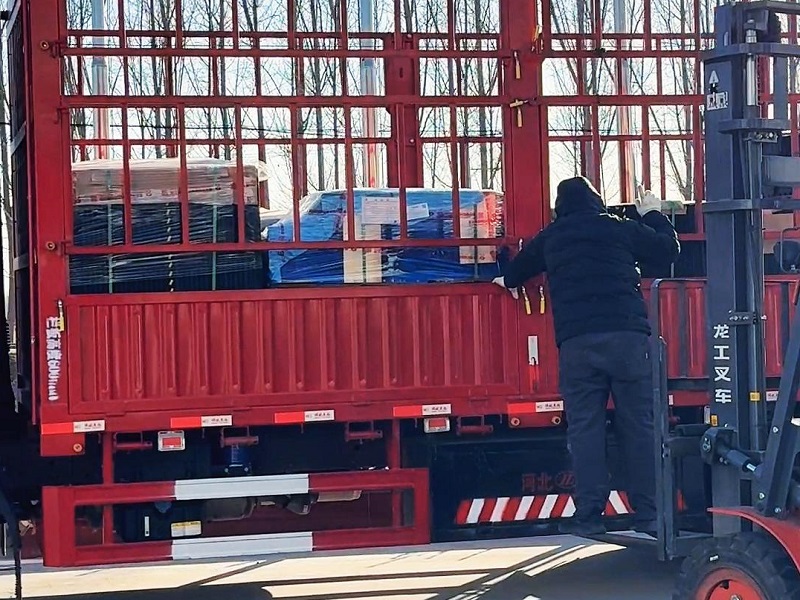
Select a supplier who provides engineering support: cut plans, material certificates, installation guidance and reasonable lead times. Ask for previous retrofit case studies and performance data for similar towers.
Cooling Tower Fill Replacement is a high-impact, technically straightforward upgrade when approached methodically. If your tower shows any of the signs above, replacement is worth evaluating. Send drawings, water analysis and photos — a short engineering review will show expected performance uplift and a practical replacement plan.
Share your tower drawings or photos and we will provide a replacement recommendation, estimated performance gain, and a cut/installation plan.
Precision design for efficient heat exchange. Improves cooling efficiency and reduces operating energy consumption.
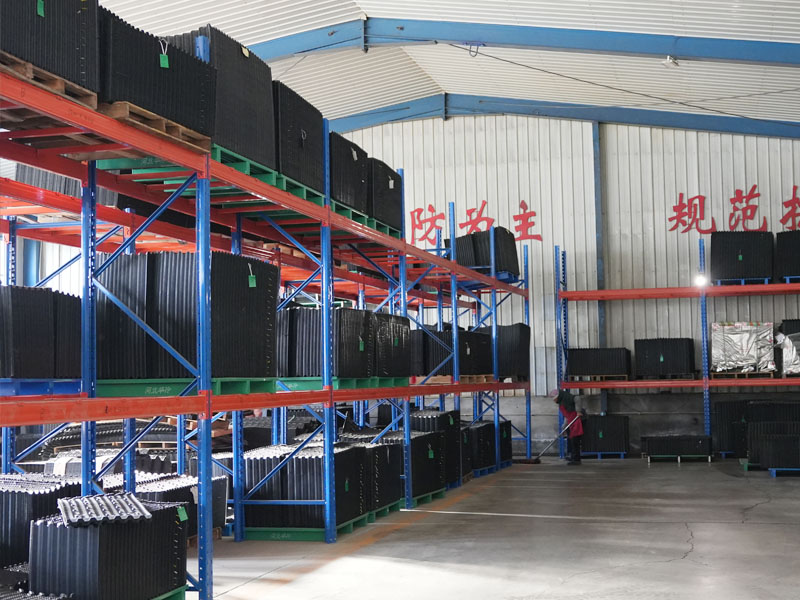
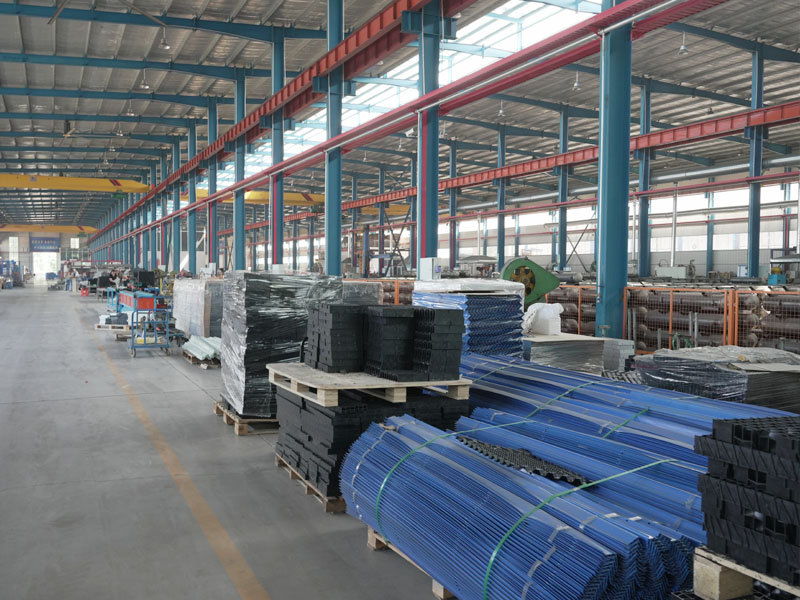
We have a large supermarket stock of cooling tower packing materials, with a variety of product specifications.
Provide customized cooling tower packing solutions to accurately match the needs of different brands of cooling tower projects.
Our experienced team provides comprehensive technical support to ensure timely and high-quality delivery of cooling tower packing orders.

The cooling tower fill from this supplier has significantly improved our system's efficiency. Installation was straightforward, and we've noticed a consistent temperature drop since switching to their product.
Plant Manager

Durability was our main concern, and this fill material has held up exceptionally well even in harsh conditions. It has reduced our maintenance cycles and downtime.
Operations Director

We needed a drop-in replacement for an older system. Their technical support helped us select the right fill, and the performance has exceeded our expectations.
Facilities Engineer

The fill blocks arrived well-packed and were easy to install. Our cooling tower now runs more quietly and with better heat dissipation.
Maintenance Supervisor

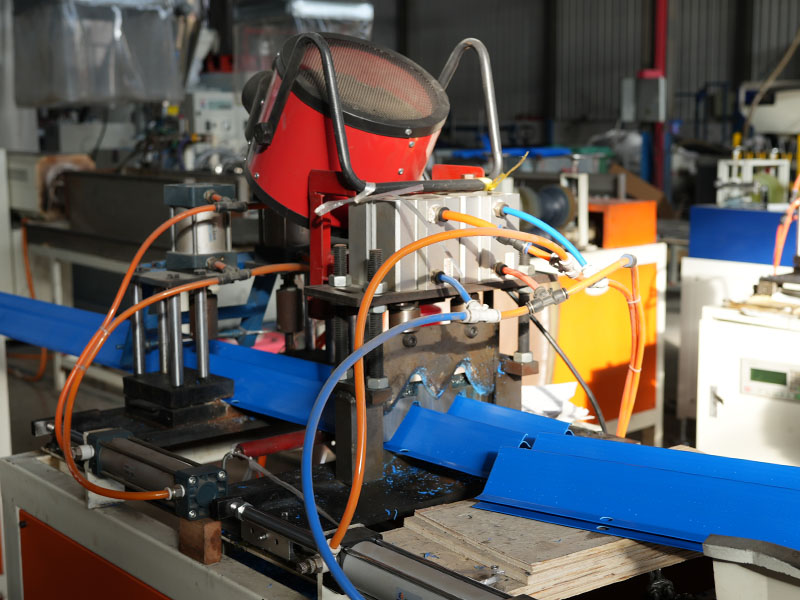
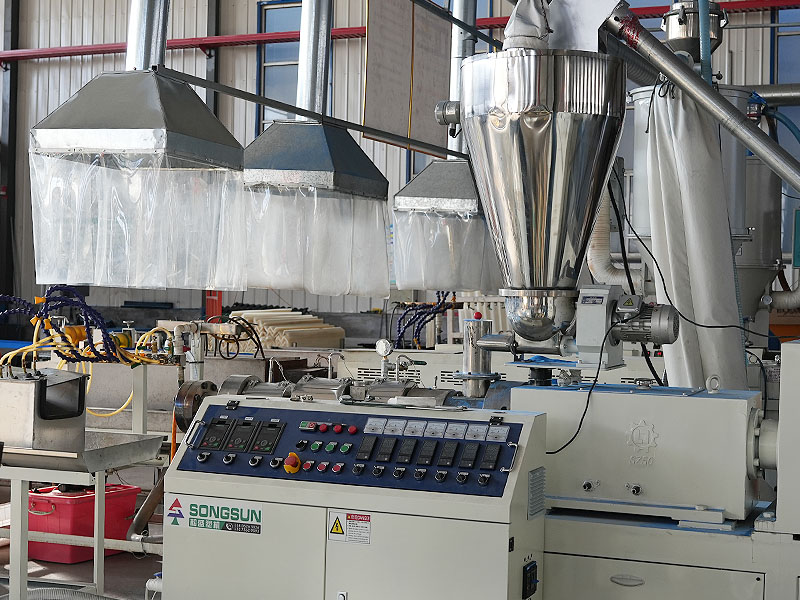
Hi friend, there is a cooling tower packing processing factory here, which has various specifications of cooling tower packing and can also be customized according to your requirements. Are you sure you don't want to come and take a look
Copyright © 2026.Company cooling tower fill factory All rights reserved.