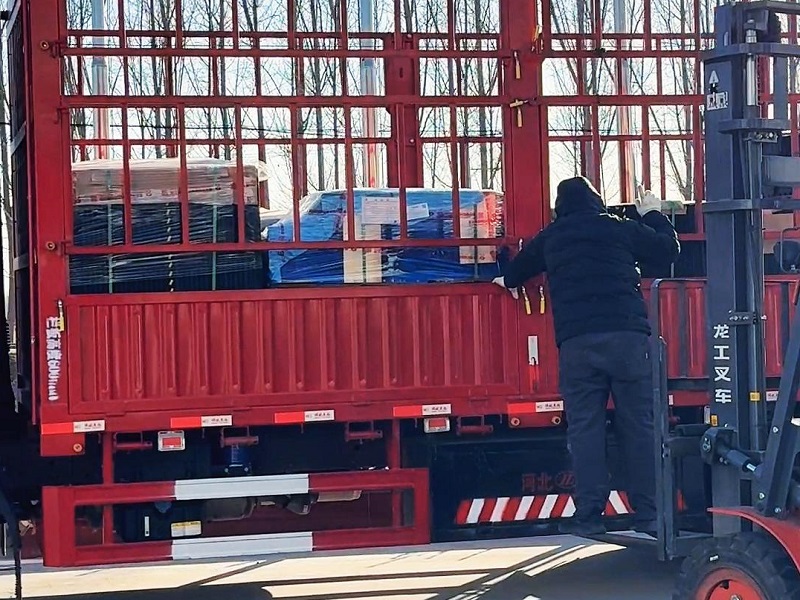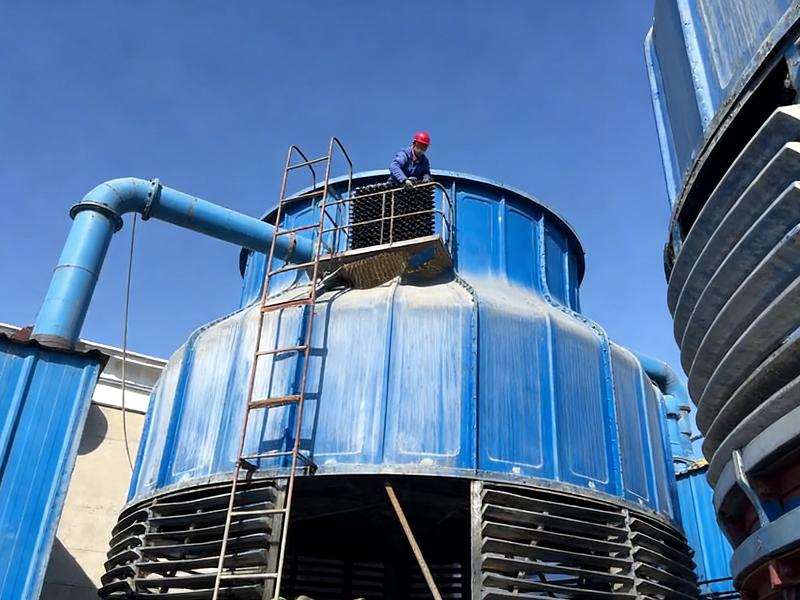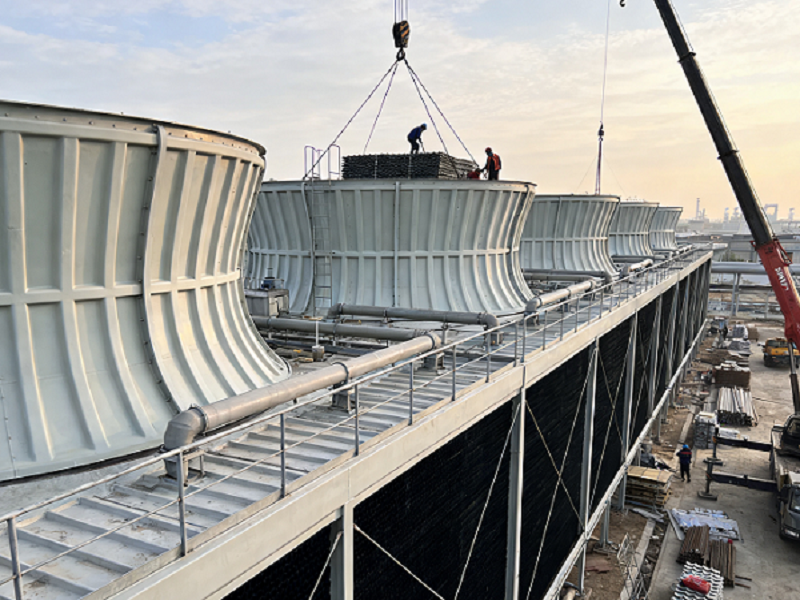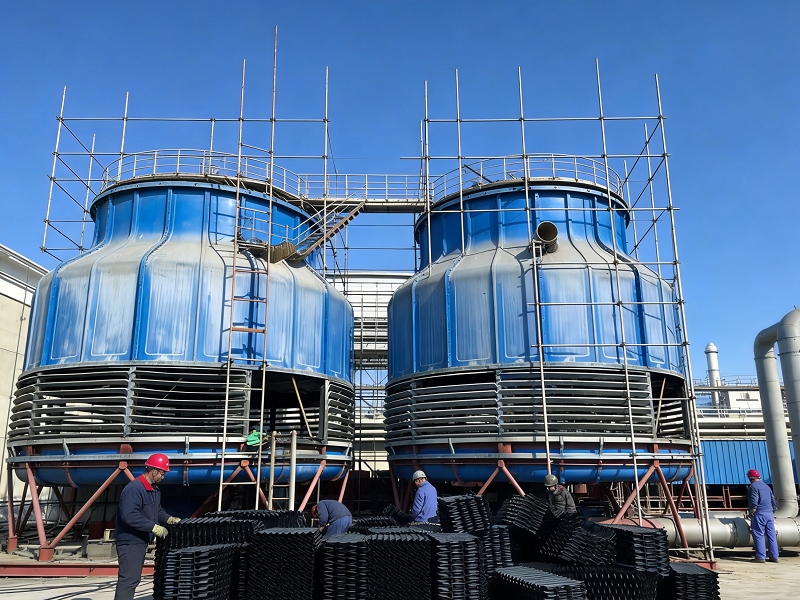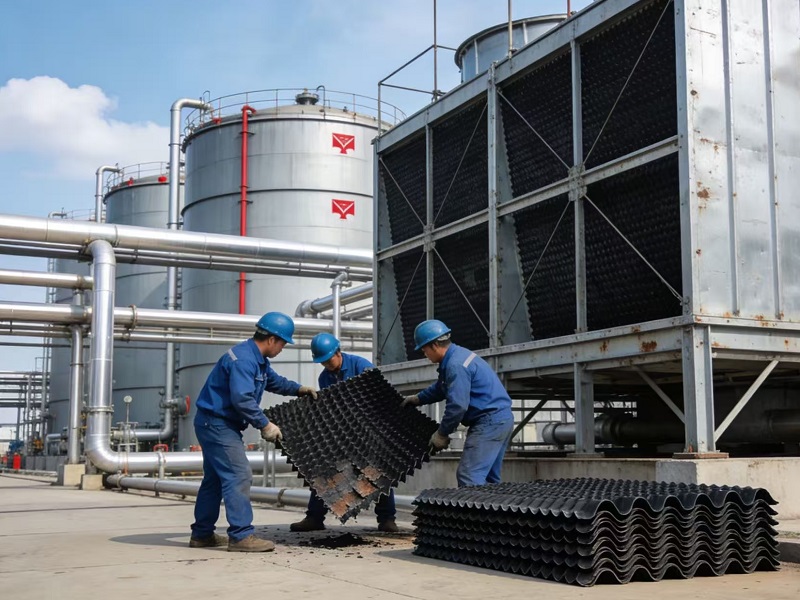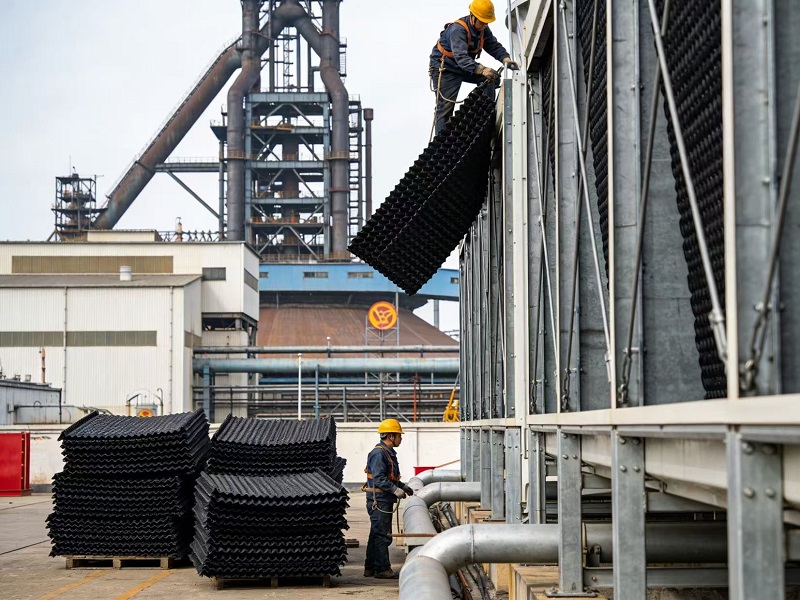
In modern industrial facilities, maintaining stable equipment temperatures is essential for safe and efficient operation. One of the most important components that supports this process is the cooling tower filler factory media installed inside cooling towers. Cooling tower filling is responsible for increasing the surface area where water and air interact, allowing heat to dissipate efficiently. Whether used in HVAC systems, petrochemical plants, power generation facilities, or manufacturing industries, properly designed filling cooling tower structures play a crucial role in achieving reliable cooling performance.
Cooling tower fill is a heat exchange medium placed inside the central section of a cooling tower. Its main function is to distribute warm circulating water across a large surface area while allowing air to flow through the internal channels. As the water spreads across the cooling tower filler sheets, it forms thin films or droplets that maximize evaporation.
This process allows heat to transfer from water to air, lowering the water temperature before it returns to the industrial process. Without properly designed cooling tower filling, cooling towers would struggle to maintain efficient heat exchange, especially in high-load industrial environments.
Most modern cooling tower filler factory manufacturers use carefully engineered corrugated sheet structures to control airflow patterns and ensure uniform water distribution across the fill surface.
Crossflow cooling towers allow air to move horizontally through the tower while water flows downward across the cooling tower fill. This type of tower is commonly used in commercial buildings, HVAC systems, and light industrial cooling applications.
The cooling tower filling used in crossflow towers usually consists of vertically aligned corrugated sheets that guide airflow through the tower. This design allows stable operation with relatively low energy consumption.
Counterflow cooling towers are widely used in heavy industrial applications such as power plants, petrochemical processing facilities, and steel manufacturing plants. In these systems, air flows upward while water flows downward through the cooling tower filling.
Because the airflow moves in the opposite direction of the water, the contact time between air and water increases. This results in higher cooling efficiency compared with many other cooling tower designs.
In environments where circulating water contains suspended solids or impurities, splash-type cooling tower filling may be preferred. Splash bars break water into droplets repeatedly as it falls through the tower.
Although splash fill typically provides slightly lower heat transfer efficiency than film fill, it performs better in situations where clogging could occur.
The material used in cooling tower fill significantly influences its durability, chemical resistance, and temperature tolerance. Different industrial environments require different material characteristics.
PVC is one of the most widely used materials for cooling tower fill. It provides excellent corrosion resistance, smooth water film formation, and cost-effective production. PVC cooling tower filling is commonly used in HVAC cooling towers and many industrial cooling applications.
Polypropylene, or PP, is often used in higher temperature environments. Compared with PVC, PP material offers better heat resistance and improved durability in demanding industrial conditions.
Some cooling tower filler factory suppliers also produce modified plastic materials designed for harsh environments such as chemical plants, coastal installations, or systems with strong UV exposure.
The structural design of cooling tower filling directly affects heat exchange efficiency. Engineers design the geometry of the fill sheets to create balanced airflow and uniform water distribution.
Film fill structures consist of thin corrugated sheets arranged in layers. Water flows across these sheets as a thin film while air moves through the channels created by the corrugation pattern.
This design provides a large contact surface area, which significantly improves heat transfer efficiency.
Corrugated and chevron-shaped channels increase turbulence within the airflow passages. This turbulence improves heat exchange performance and ensures that water spreads evenly across the cooling tower filling surface.
Many fill replacement factory manufacturers produce modular cooling tower fill blocks that simplify installation and maintenance. These modular blocks allow operators to replace specific sections without dismantling the entire fill structure.
Cooling tower filling works together with several additional components that help regulate airflow and reduce water loss.
Airflow entering the tower is often managed using structures such as Air intake grille type A and B-type air intake grille. These components help guide air into the tower while preventing debris from entering the cooling system.
Another airflow management solution is the Air intake grille C-type, which helps distribute air evenly across the cooling tower fill area.
Water drift is controlled by collectors installed near the top of the tower. Two commonly used options are the M-type aluminum alloy water collector and the M-type ABS alloy water collector. These devices capture water droplets carried by airflow and return them to the tower basin, reducing water loss.
Before selecting cooling tower fill, industrial buyers should evaluate several important technical factors to ensure optimal system performance.
The cooling load of the system determines the size and density of cooling tower filling required. Towers handling large heat loads typically require more efficient fill structures with larger surface areas.
If the circulating water contains minerals, biological growth, or suspended particles, a more open fill design may be necessary to prevent clogging.
High temperature systems may require polypropylene or other heat-resistant materials instead of standard PVC fill.
Choosing an experienced cooling tower filler factory ensures consistent product quality and reliable support during installation or fill replacement.
Proper maintenance helps ensure that cooling tower fill continues to operate efficiently throughout its service life.
Operators should inspect the fill cooling tower section regularly to check for damage, scaling, or biological growth.
Maintaining a proper water treatment program helps prevent scale buildup and algae growth on cooling tower filling surfaces.
Over time, cooling tower fill may degrade due to exposure to chemicals, heat, and environmental conditions. Periodic replacement ensures stable cooling performance.
Cooling tower fill is a critical component in maintaining efficient industrial cooling systems. From material selection and structural design to regular maintenance, every factor contributes to the performance of the cooling tower. By understanding how cooling tower filling works and selecting the right products from a reliable cooling tower filler factory, industrial operators can ensure long-term system reliability and efficient heat exchange.
If you are planning to purchase cooling tower filling or replace existing fill cooling tower structures, our technical team can help evaluate the best solution for your system.
If you are not sure about the exact specifications, you can send us your cooling tower drawings, structure dimensions, or photos of the existing fill. Our engineers will review the design and recommend the most suitable cooling tower fill configuration.
If you have any questions about cooling tower filling or need technical support, feel free to contact us.
Precision design for efficient heat exchange. Improves cooling efficiency and reduces operating energy consumption.
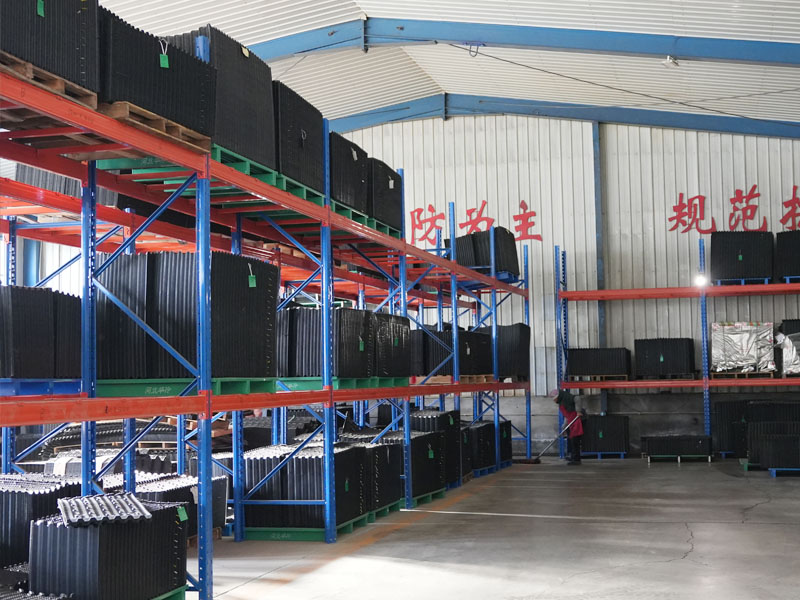
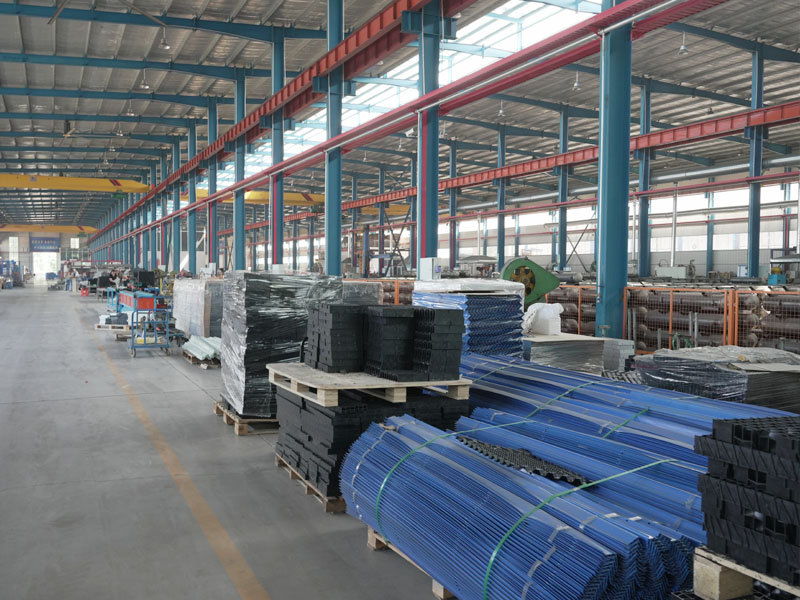
We have a large supermarket stock of cooling tower packing materials, with a variety of product specifications.
Provide customized cooling tower packing solutions to accurately match the needs of different brands of cooling tower projects.
Our experienced team provides comprehensive technical support to ensure timely and high-quality delivery of cooling tower packing orders.

The cooling tower fill from this supplier has significantly improved our system's efficiency. Installation was straightforward, and we've noticed a consistent temperature drop since switching to their product.
Plant Manager

Durability was our main concern, and this fill material has held up exceptionally well even in harsh conditions. It has reduced our maintenance cycles and downtime.
Operations Director

We needed a drop-in replacement for an older system. Their technical support helped us select the right fill, and the performance has exceeded our expectations.
Facilities Engineer

The fill blocks arrived well-packed and were easy to install. Our cooling tower now runs more quietly and with better heat dissipation.
Maintenance Supervisor

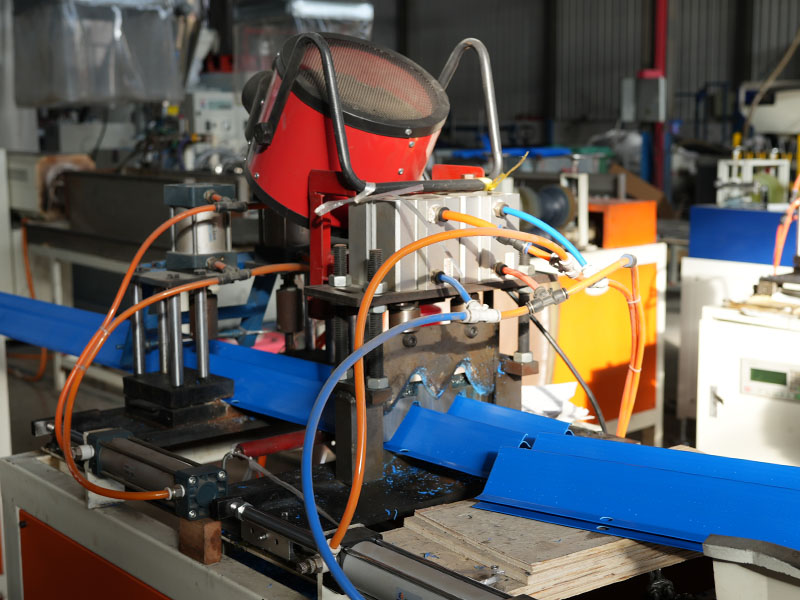
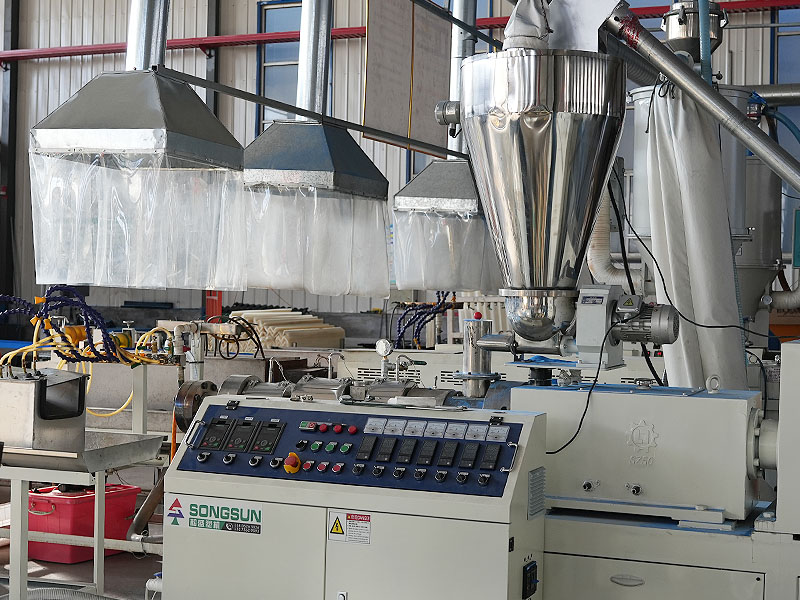
Hi friend, there is a cooling tower packing processing factory here, which has various specifications of cooling tower packing and can also be customized according to your requirements. Are you sure you don't want to come and take a look
Copyright © 2026.Company cooling tower fill factory All rights reserved.