1. Search Intent Type:
2. Google SERP Characteristics:
3. Recommended Article Length:
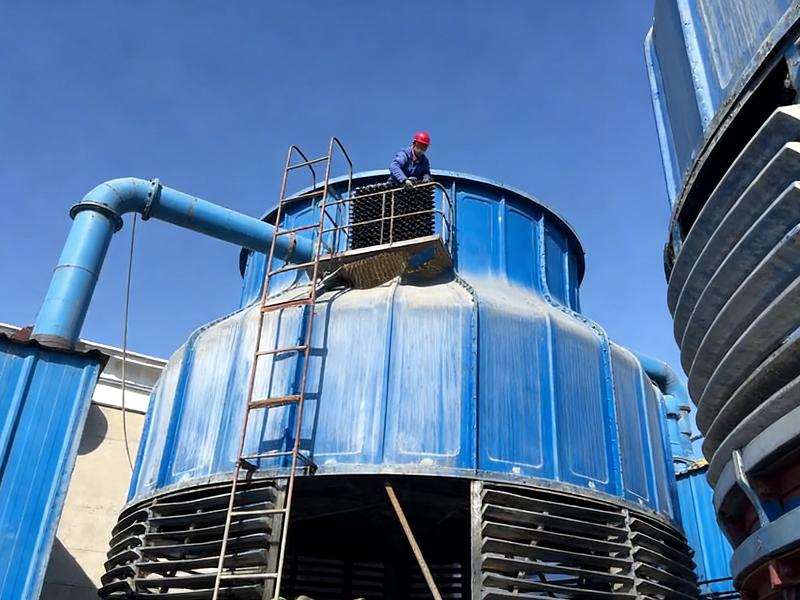
Selecting the right material for cooling tower fill is essential for ensuring long-term efficiency and durability. Different materials used in cooling tower infill perform differently under temperature, water quality, and operating conditions.
Working with an experienced cooling tower fill supplier helps industrial users avoid costly mistakes when choosing between material options.
The material of cooling tower infill determines how well it resists heat, chemicals, and physical stress.
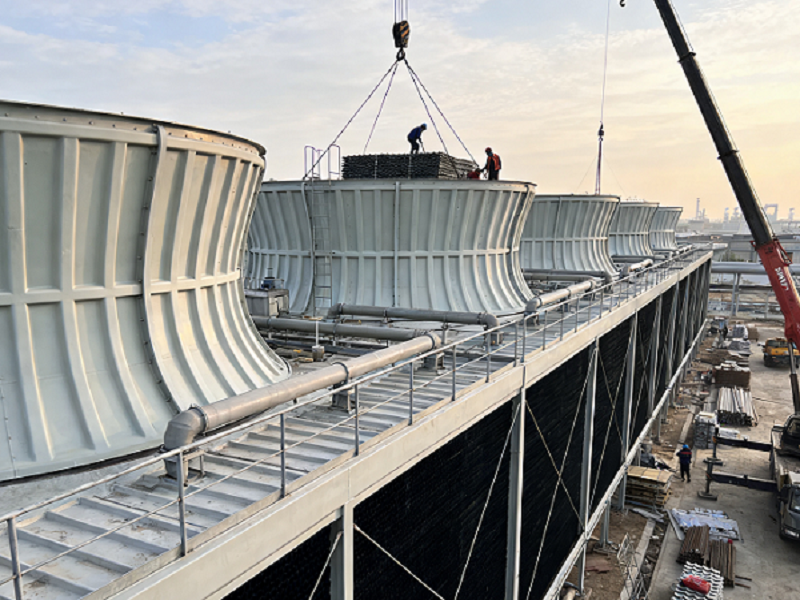
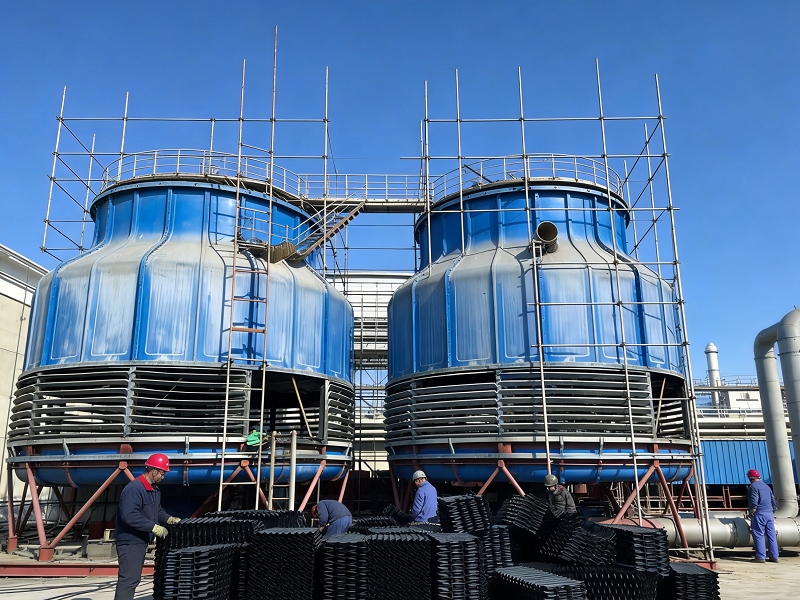
A professional cooling tower fill replacement supplier will always evaluate material compatibility with the working environment.
PVC is widely used in standard cooling tower fill applications due to its cost efficiency and performance balance.
Cooling tower infill made from polypropylene is designed for more demanding environments.
Some cooling tower fill supplier manufacturers offer enhanced materials with improved durability.
High operating temperatures require more resistant cooling tower infill.
Aggressive or contaminated water requires chemically stable materials.
A knowledgeable cooling tower fill supplier can recommend suitable options based on water analysis.
Different industries require different performance characteristics.
Material must withstand continuous thermal exposure without deformation.
Strong cooling tower fill maintains structure under airflow and water load.
Some materials reduce the risk of scaling and biological growth.
Higher quality cooling tower infill lasts longer and reduces replacement frequency.
Low-cost materials often result in shorter lifespan and higher maintenance.
Selecting the wrong material leads to rapid failure.
A reliable cooling tower fill replacement supplier provides valuable technical insight.
Upgrading to better materials improves overall system performance:
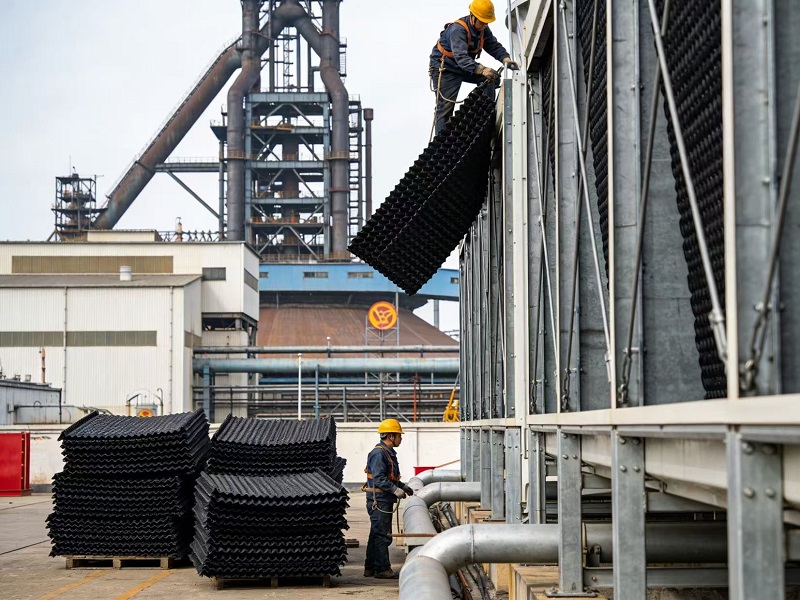
In many cases, switching materials during replacement is more effective than maintaining outdated cooling tower infill.
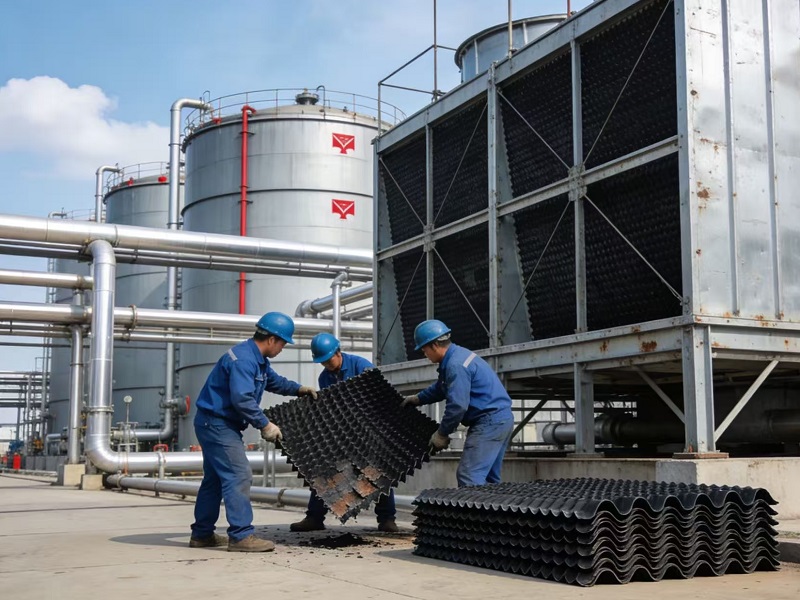
A refinery upgraded from PVC to PP cooling tower fill, eliminating deformation issues.
Using chemically resistant cooling tower infill reduced maintenance significantly.
Standard PVC fill provided a cost-effective solution for stable operations.
Material selection is a key factor in the performance of cooling tower fill.
Working with a trusted cooling tower fill supplier ensures that the chosen material matches real operating conditions and delivers long-term value.
PVC is the most widely used material.
In high temperature or chemically aggressive environments.
Yes it impacts heat transfer and durability.
Typically 3 to 5 years depending on conditions.
Yes it can improve performance and lifespan.
This article is written by a cooling tower engineer with expertise in material selection and industrial applications.
Recommended references: ASHRAE, Cooling Technology Institute CTI
Precision design for efficient heat exchange. Improves cooling efficiency and reduces operating energy consumption.
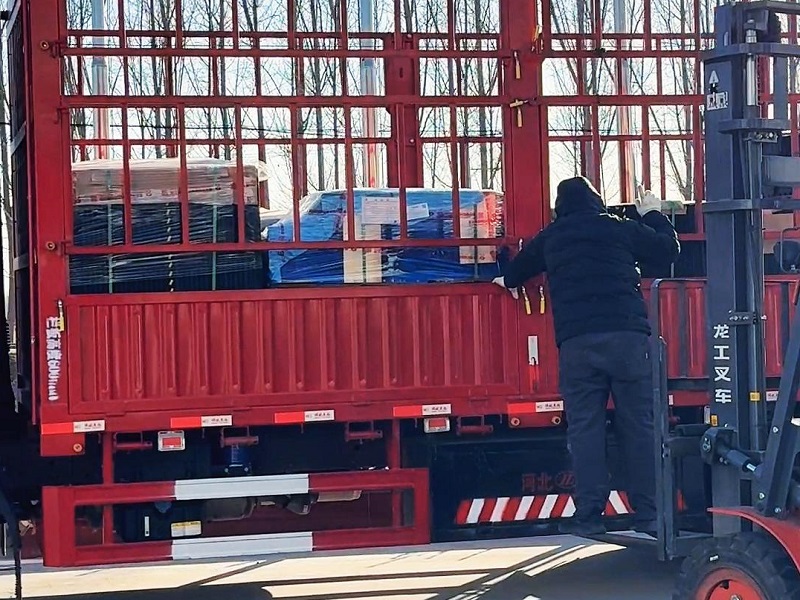
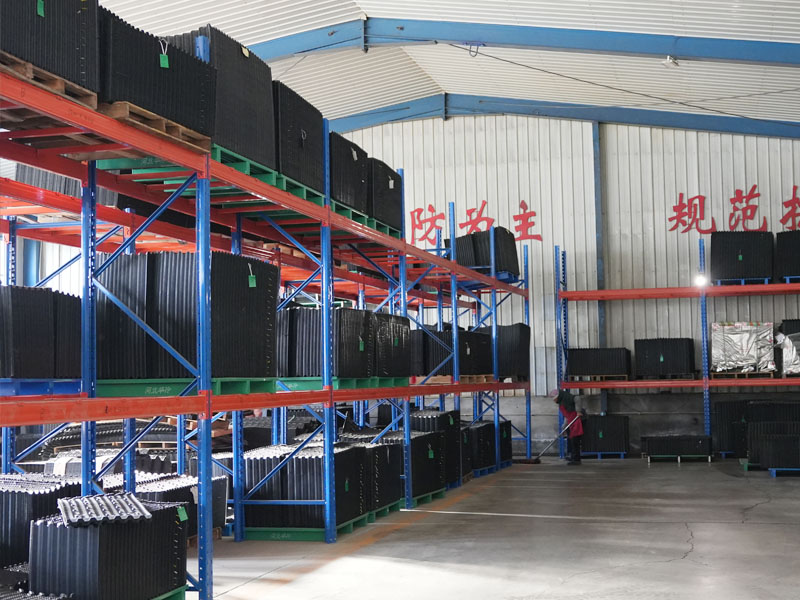
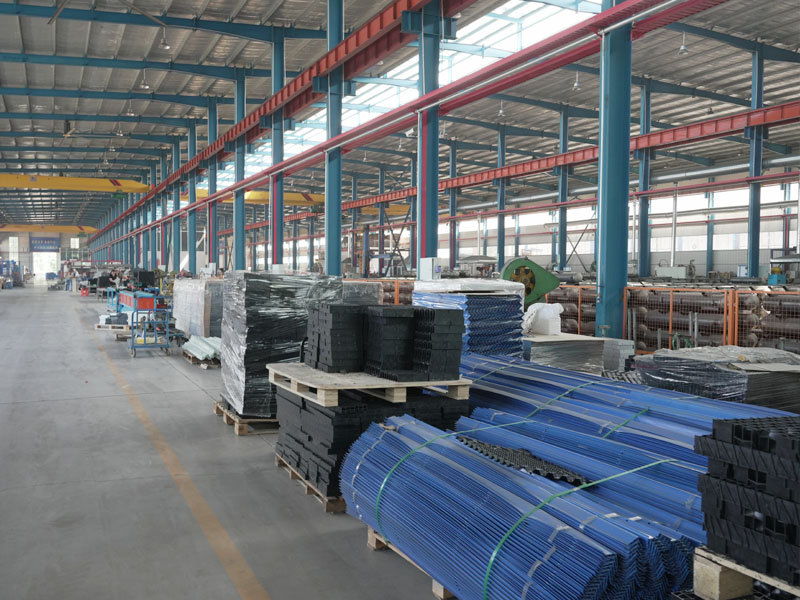
We have a large supermarket stock of cooling tower packing materials, with a variety of product specifications.
Provide customized cooling tower packing solutions to accurately match the needs of different brands of cooling tower projects.
Our experienced team provides comprehensive technical support to ensure timely and high-quality delivery of cooling tower packing orders.

The cooling tower fill from this supplier has significantly improved our system's efficiency. Installation was straightforward, and we've noticed a consistent temperature drop since switching to their product.
Plant Manager

Durability was our main concern, and this fill material has held up exceptionally well even in harsh conditions. It has reduced our maintenance cycles and downtime.
Operations Director

We needed a drop-in replacement for an older system. Their technical support helped us select the right fill, and the performance has exceeded our expectations.
Facilities Engineer

The fill blocks arrived well-packed and were easy to install. Our cooling tower now runs more quietly and with better heat dissipation.
Maintenance Supervisor

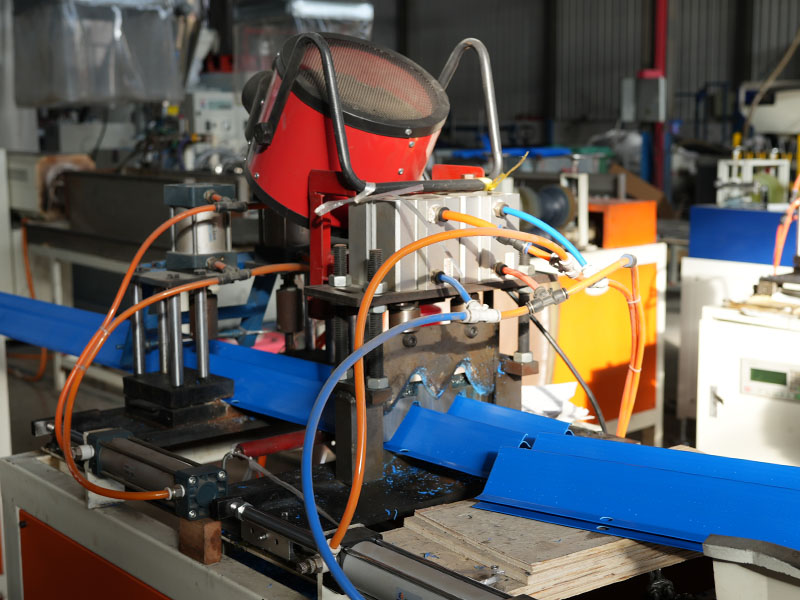
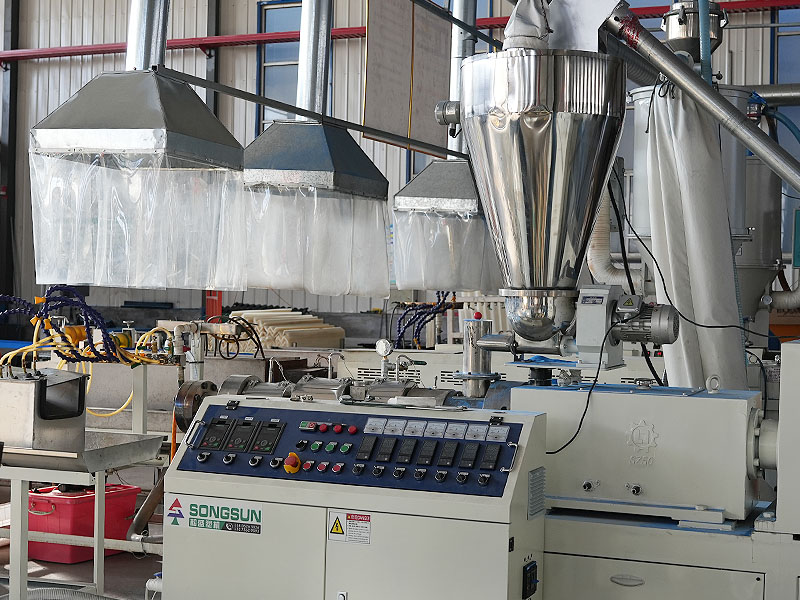
Hi friend, there is a cooling tower packing processing factory here, which has various specifications of cooling tower packing and can also be customized according to your requirements. Are you sure you don't want to come and take a look
Copyright © 2026.Company cooling tower fill factory All rights reserved.