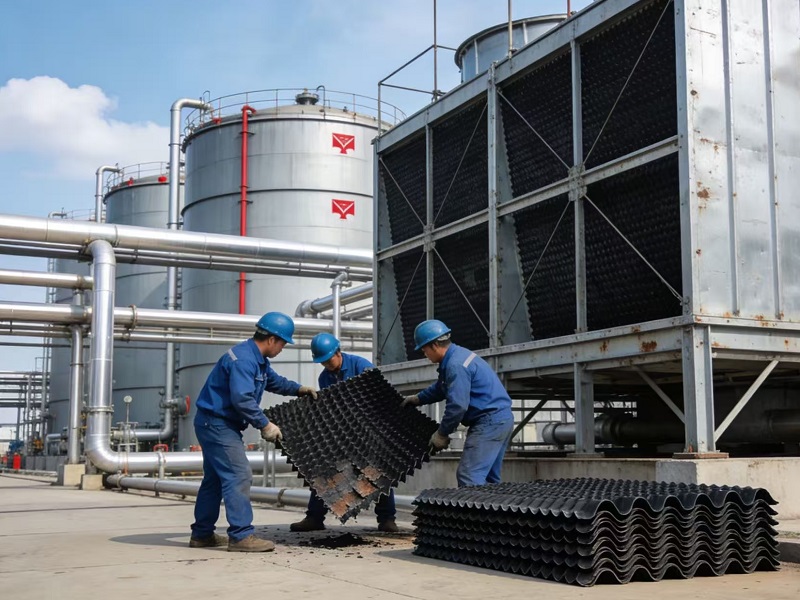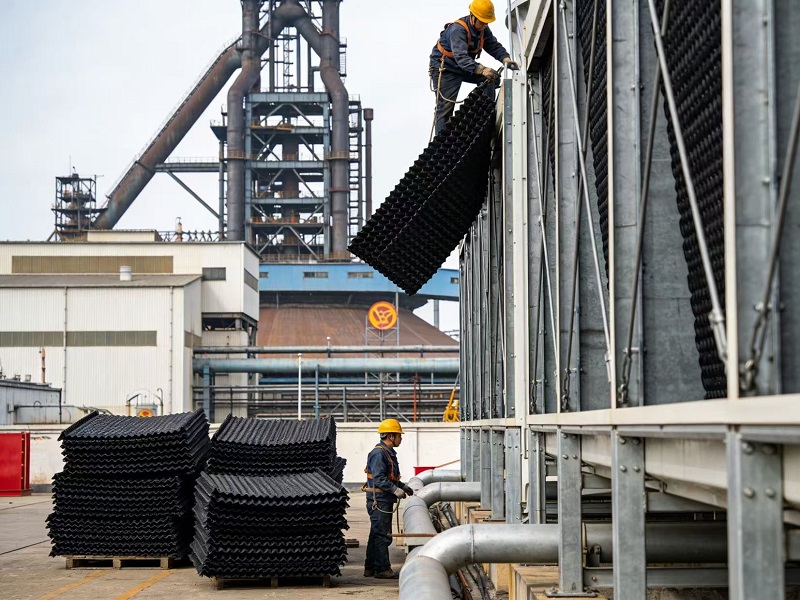
In industrial cooling systems, performance gaps are often traced back to internal components rather than structural design. One of the most critical yet frequently underestimated elements is the Cooling Fill. When improperly selected or maintained, it leads to higher outlet temperatures, increased fan power consumption, and unstable operation.
In regions such as Southeast Asia and the Middle East, extreme climate conditions combined with varying water quality make Industrial Tower Fill selection a key engineering decision rather than a simple procurement step.
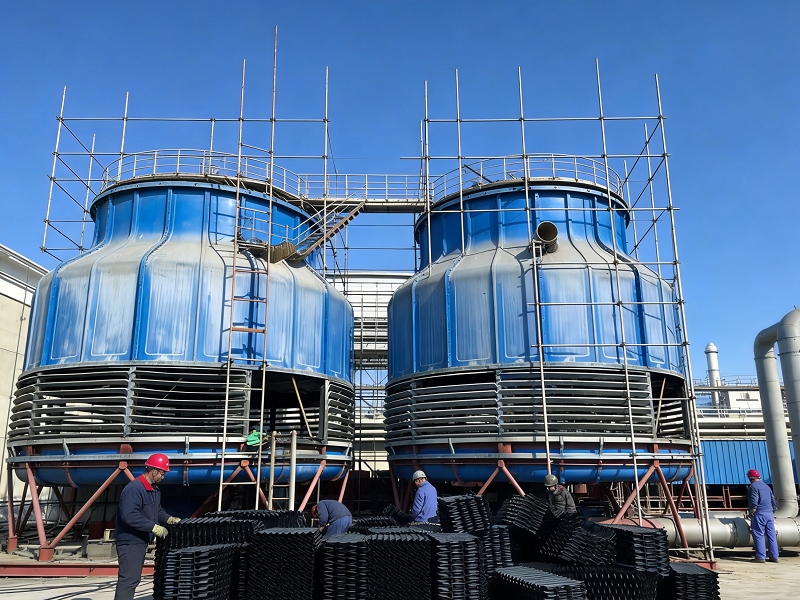
Cooling Tower Media serves as the primary surface for heat exchange between circulating water and airflow. Its role is to maximize contact area and improve evaporation efficiency.
From an engineering standpoint, tower fill performs three essential functions:
The effectiveness of any cooling tower largely depends on how well these functions are achieved.
Film Fill is widely used in systems with relatively clean water. It forms a thin water layer over structured surfaces, allowing efficient heat exchange.
Designs such as PVC film fill and CrossFluted Fill are commonly used to optimize airflow and water distribution.
Splash fill breaks water into droplets through repeated contact with bars or grids. It is suitable for systems where water contains impurities or suspended solids.
While less efficient than film designs, it offers better resistance to fouling.
Corrugated Fill features a structured geometry that balances efficiency and durability. It is often applied in large-scale industrial cooling towers.
PVC remains the most commonly used material for Cooling Tower Media due to its cost-effectiveness and thermal performance under standard operating conditions.
PP fill media is designed for high-temperature environments. It provides superior resistance to thermal deformation and chemical exposure.
This makes it ideal for industries such as petrochemical processing and power generation.
The efficiency of Cooling Fill is influenced by multiple technical parameters:
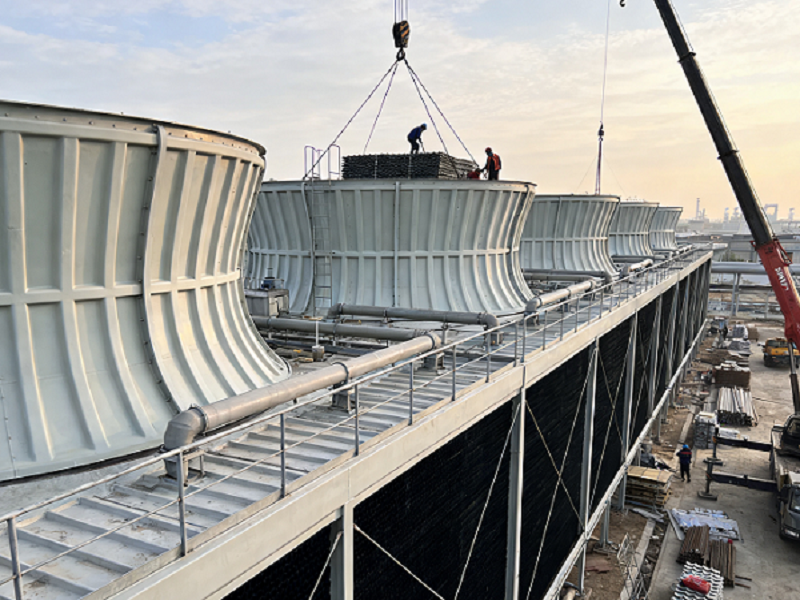
Field data shows that upgrading outdated cooling tower infill to modern structured fill can improve system efficiency by 10**–22**.
Another critical factor is drift loss control. Efficient water collection systems, including:
can significantly reduce water carryover and improve operational efficiency.
Choosing the right tower fill requires a systematic evaluation of system conditions. A qualified cooling tower fill supplier will analyze:
General selection guidelines:
When working with a cooling tower fill replacement supplier, always request performance data and previous project references.
Clogging occurs when particles accumulate in the fill structure, restricting airflow and water movement.
Solutions:
Scaling is caused by mineral deposits forming on the fill surface. It reduces heat transfer efficiency.
Preventive measures include water treatment and regular cleaning.
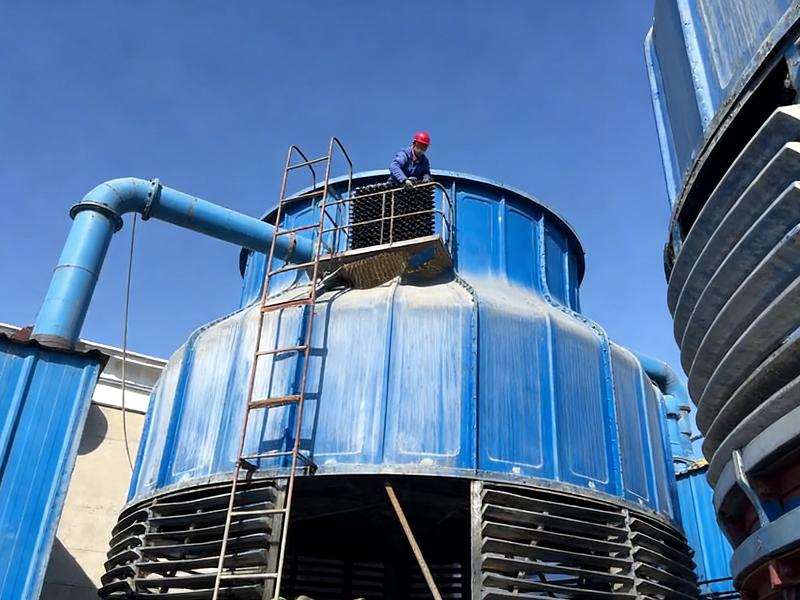
Material aging results from prolonged exposure to heat, UV radiation, and chemicals.
Using high-quality Cooling Tower Media extends service life and reduces replacement frequency.
Effective maintenance ensures long-term performance:
Preventive maintenance minimizes downtime and improves system reliability.
A textile plant experienced reduced cooling efficiency due to fouled PVC film fill. After switching to optimized Corrugated Fill, system efficiency improved by 17**.
A refinery operating at elevated temperatures faced repeated deformation of PVC fill. Replacing it with PP fill media eliminated the issue and extended service life.
A steel production facility using recycled water encountered severe clogging. Implementing splash fill reduced blockage and maintenance frequency.
Cooling Fill is the core element of cooling tower performance. Proper selection and maintenance of Industrial Tower Fill directly impact efficiency, reliability, and operating costs.
Understanding the characteristics of different Cooling Tower Media types enables engineers and procurement teams to optimize system performance and ensure long-term stability.
Surface area, airflow resistance, water distribution, and material quality are key factors.
Replacement is recommended when efficiency drops or physical damage is observed.
Yes, splash fill is more resistant to clogging in contaminated systems.
Yes, optimized fill can significantly reduce fan and pump energy consumption.
Evaluate technical experience, material quality, and project references.
This article is written by a cooling tower engineer with more than a decade of experience in industrial applications. The content is based on real project implementation, troubleshooting, and performance optimization across different industries and regions.
For further standards and guidelines, refer to ASHRAE and Cooling Technology Institute (CTI).
Precision design for efficient heat exchange. Improves cooling efficiency and reduces operating energy consumption.
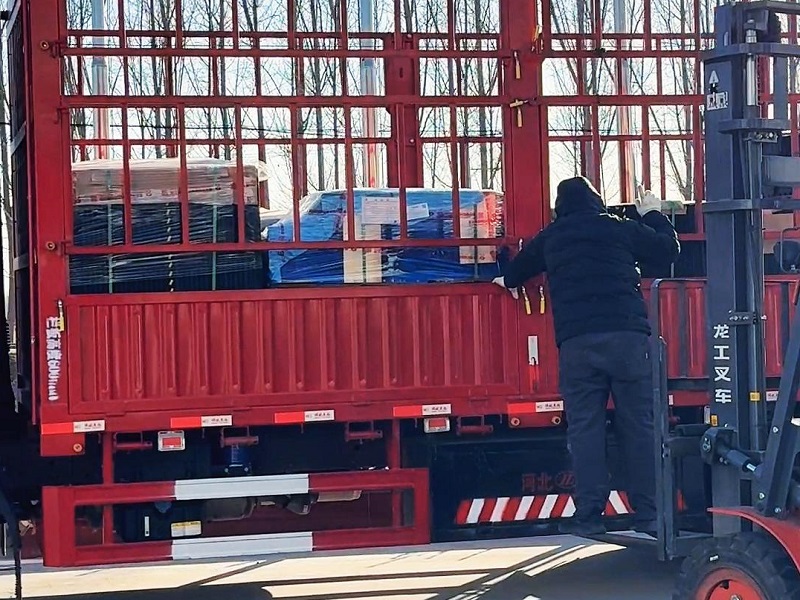
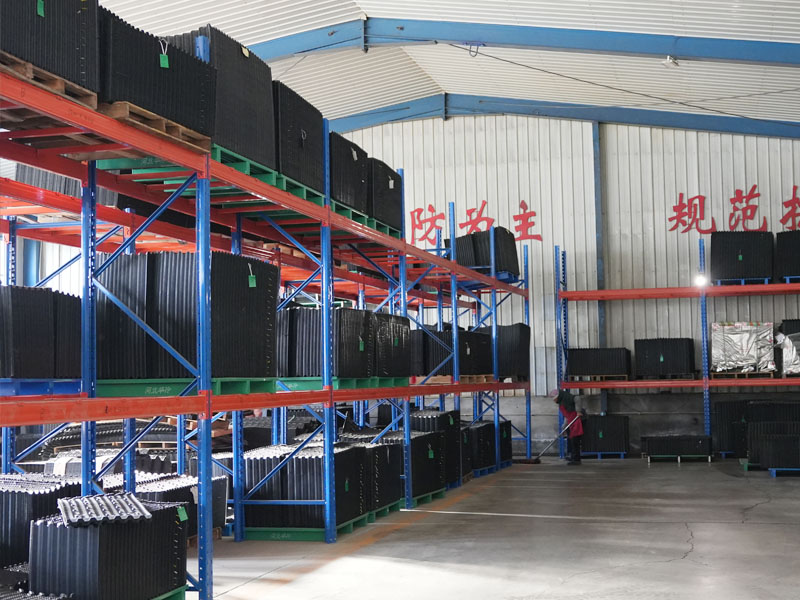
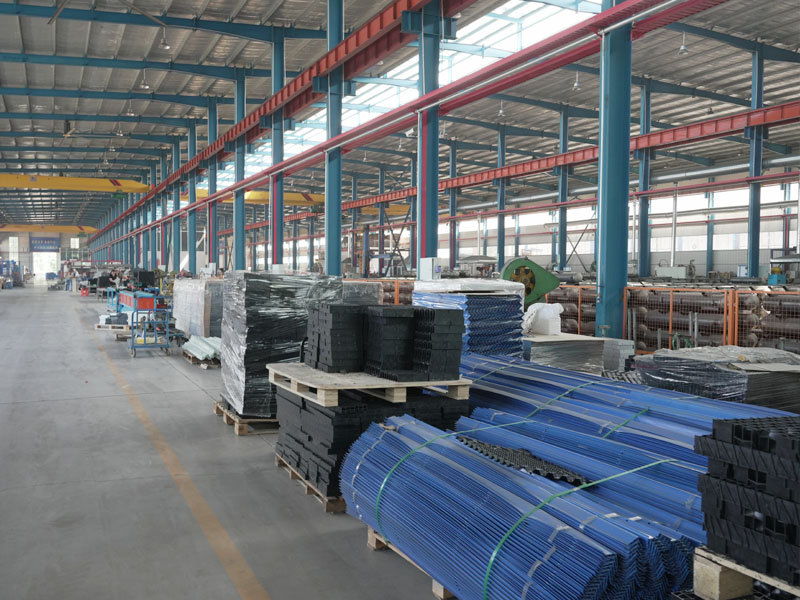
We have a large supermarket stock of cooling tower packing materials, with a variety of product specifications.
Provide customized cooling tower packing solutions to accurately match the needs of different brands of cooling tower projects.
Our experienced team provides comprehensive technical support to ensure timely and high-quality delivery of cooling tower packing orders.

The cooling tower fill from this supplier has significantly improved our system's efficiency. Installation was straightforward, and we've noticed a consistent temperature drop since switching to their product.
Plant Manager

Durability was our main concern, and this fill material has held up exceptionally well even in harsh conditions. It has reduced our maintenance cycles and downtime.
Operations Director

We needed a drop-in replacement for an older system. Their technical support helped us select the right fill, and the performance has exceeded our expectations.
Facilities Engineer

The fill blocks arrived well-packed and were easy to install. Our cooling tower now runs more quietly and with better heat dissipation.
Maintenance Supervisor

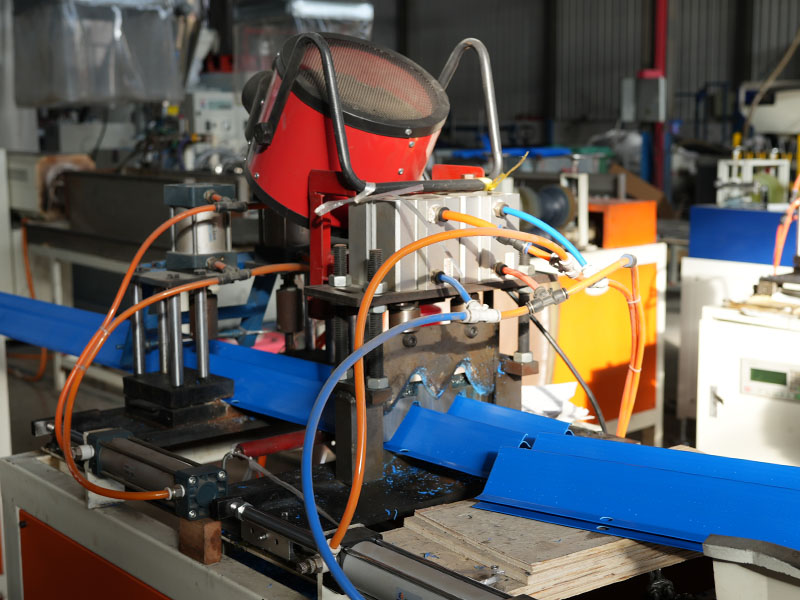
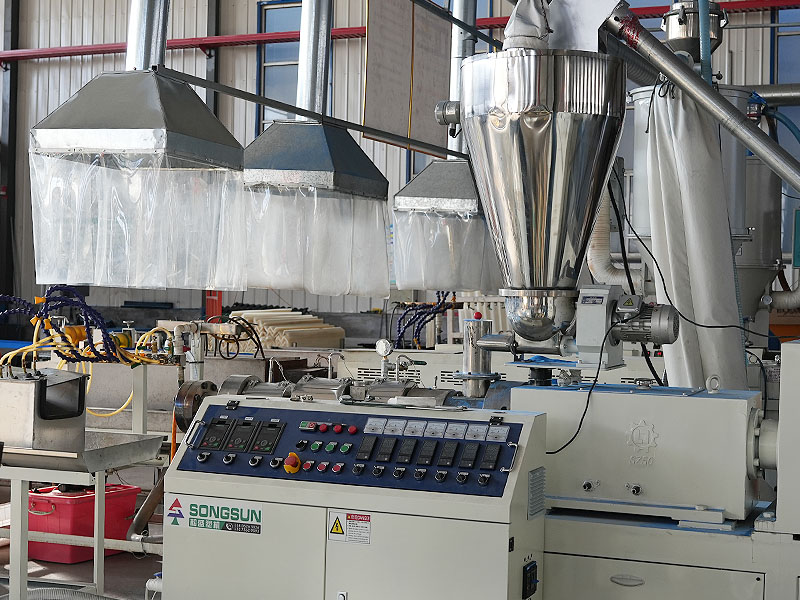
Hi friend, there is a cooling tower packing processing factory here, which has various specifications of cooling tower packing and can also be customized according to your requirements. Are you sure you don't want to come and take a look
Copyright © 2026.Company cooling tower fill factory All rights reserved.