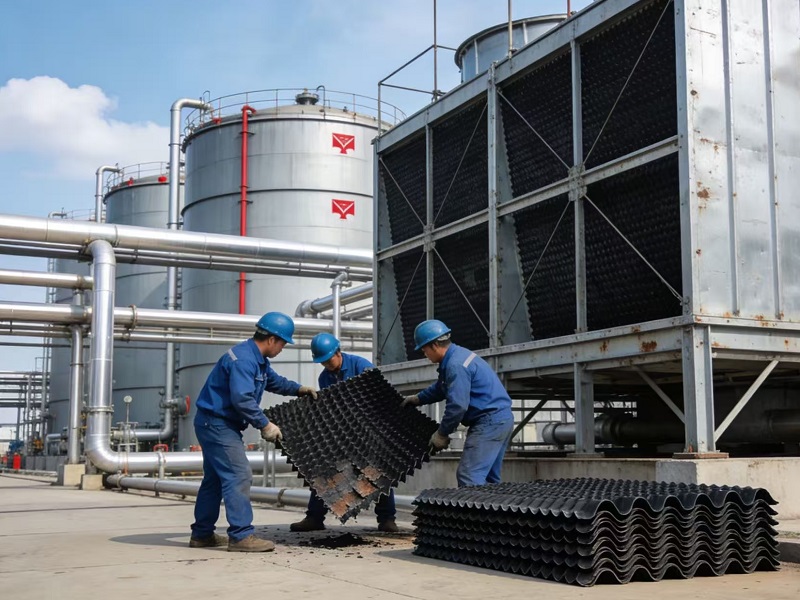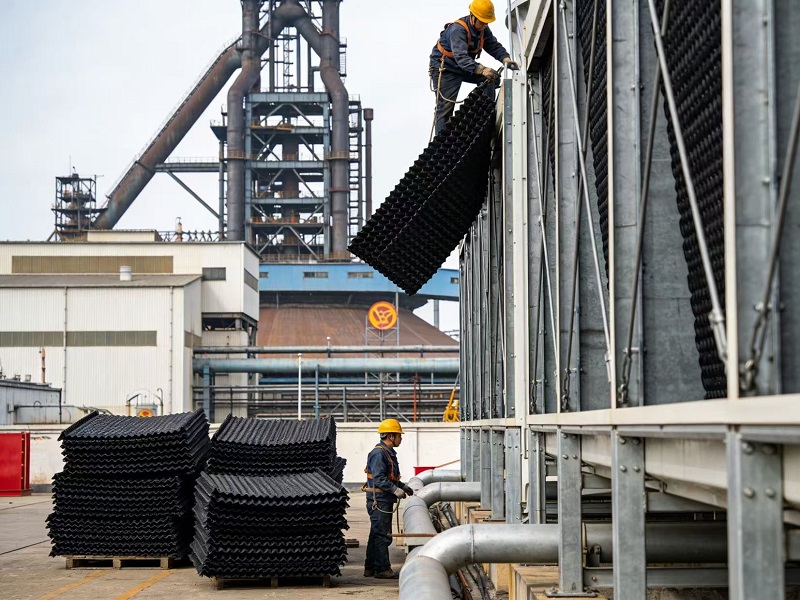
In industrial cooling tower operation, air inlet conditions are often ignored until performance drops become obvious. One of the most common hidden issues is air inlet blockage, which directly affects the performance of Cooling Tower Fill and overall system efficiency.
In Southeast Asia and Middle East industrial environments, where dust, sand, and airborne particles are common, Cooling Tower Media is frequently exposed to gradual air inlet obstruction that reduces airflow and cooling capacity over time.
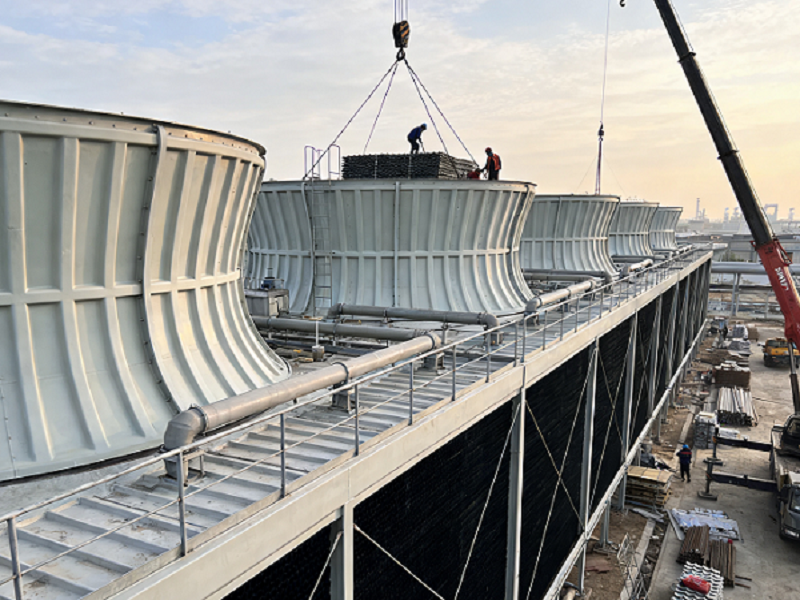
Cooling Tower Media depends on continuous and uniform airflow entering from the inlet section. This airflow passes through the fill structure and enables efficient heat exchange between water and air.
When air inlet conditions are restricted, even high-performance cooling tower infill cannot maintain stable cooling efficiency.
Film fill requires stable airflow to maintain thin water film formation. It is highly sensitive to inlet air restrictions.
Splash fill is more tolerant of airflow variation and performs better in partially blocked inlet conditions.
This type is designed to reduce resistance and improve air penetration under restricted inlet conditions.
PVC materials are commonly used but can suffer from performance decline when airflow is restricted for long periods.
PP materials provide better structural stability and maintain performance under fluctuating airflow conditions.
Airborne particles gradually accumulate at the air inlet, reducing airflow into Cooling Fill.
Leaves, plastic waste, and industrial debris can partially block inlet openings.
Cooling towers located near construction or desert areas face higher risk of inlet restriction.
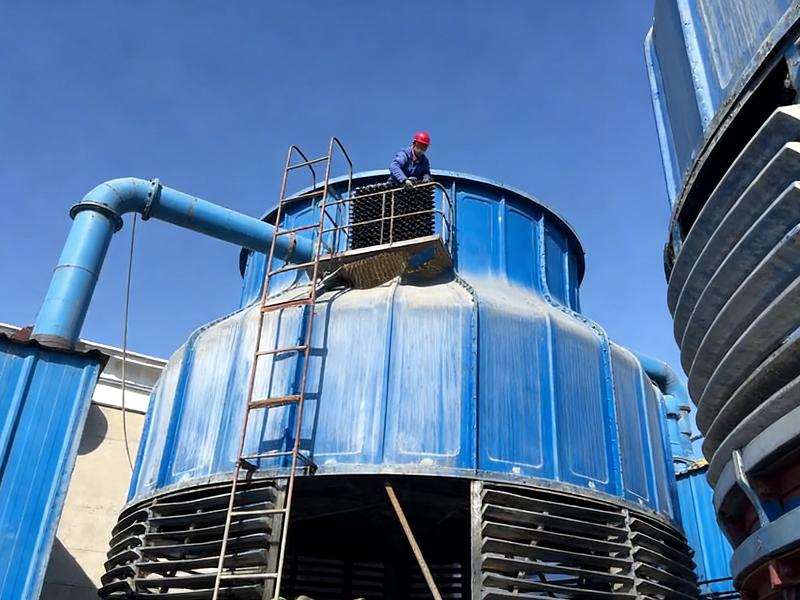
Failure to clean inlet screens and louvers leads to progressive blockage of cooling tower infill airflow paths.
Air inlet blockage causes multiple performance issues:
In severe cases, the system may struggle to maintain design cooling capacity even under normal load conditions.
Solving inlet blockage requires both design improvements and regular maintenance practices.
Additional hydraulic components help stabilize system performance:
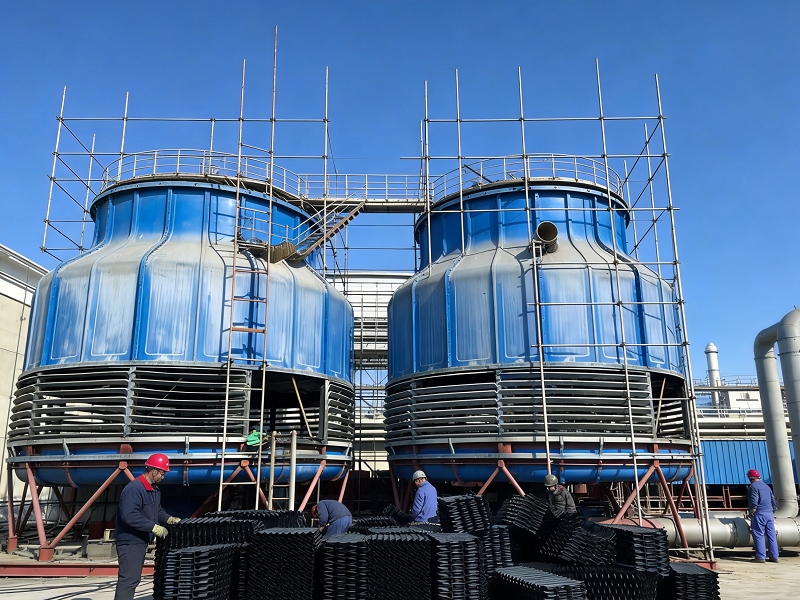
Preventive maintenance is key to avoiding long-term airflow restriction problems.
Sand accumulation severely reduced inlet airflow. Regular cleaning restored Cooling Tower Media performance and improved efficiency.
Leaf blockage caused uneven airflow distribution. Installing inlet protection screens solved the issue.
Poor maintenance led to gradual inlet restriction. Cleaning and redesign improved system stability.
Air inlet blockage is a silent but serious problem that directly reduces Cooling Tower Fill efficiency. It affects airflow, heat transfer, and overall system stability.
With proper site management, regular maintenance, and suitable Industrial Tower Fill selection, operators can maintain stable and efficient cooling performance in harsh environments.
Main causes include dust, debris, and poor maintenance practices.
It reduces airflow and lowers heat transfer efficiency.
Yes, removing blockage often restores normal operation.
Splash fill generally performs better under restricted airflow conditions.
Frequent inspection is recommended in high-dust environments.
This article is written by an industrial cooling system engineer with over 10 years of experience in airflow management, cooling tower optimization, and industrial maintenance engineering.
Precision design for efficient heat exchange. Improves cooling efficiency and reduces operating energy consumption.
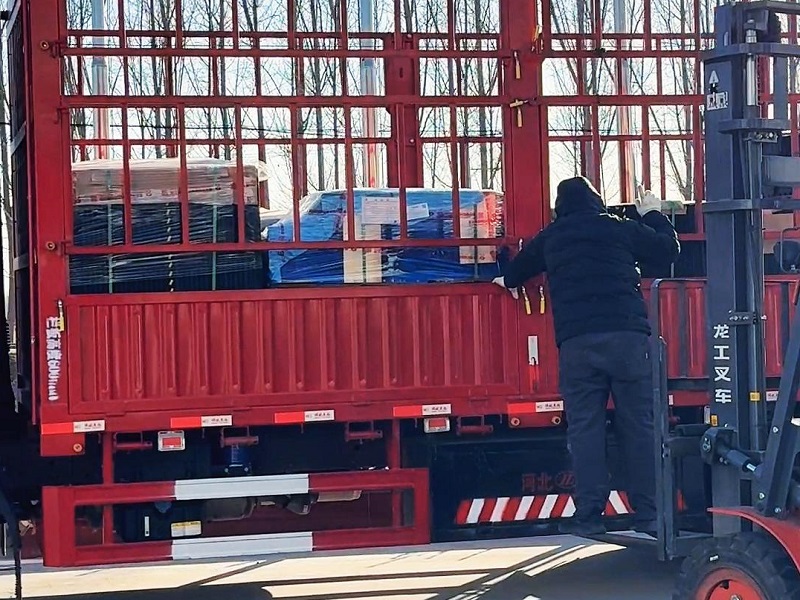
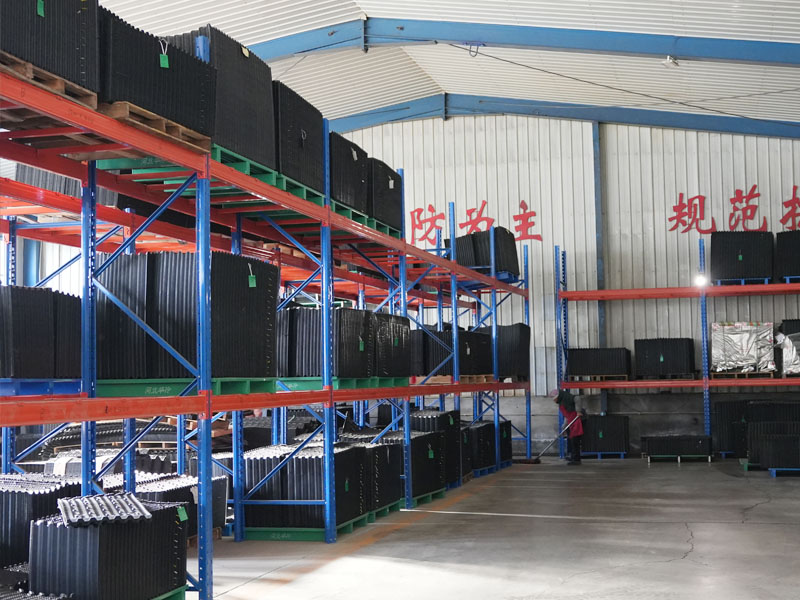
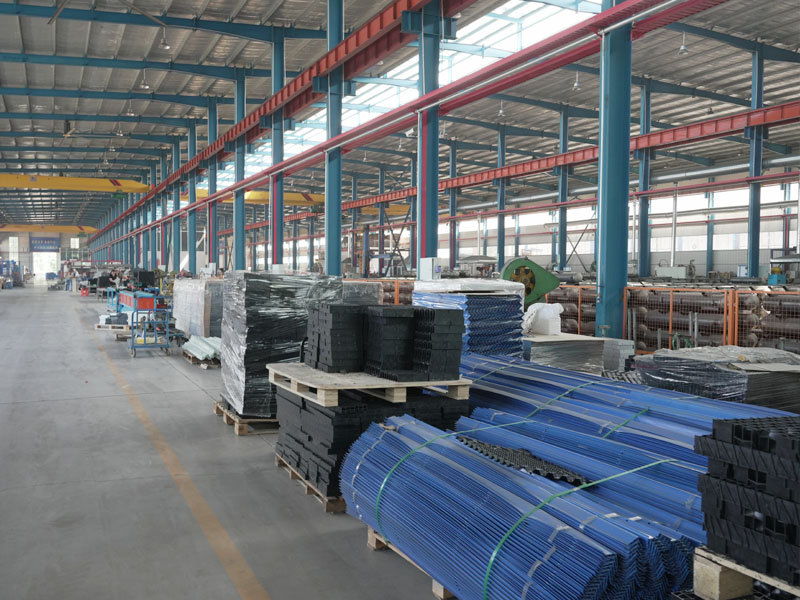
We have a large supermarket stock of cooling tower packing materials, with a variety of product specifications.
Provide customized cooling tower packing solutions to accurately match the needs of different brands of cooling tower projects.
Our experienced team provides comprehensive technical support to ensure timely and high-quality delivery of cooling tower packing orders.

The cooling tower fill from this supplier has significantly improved our system's efficiency. Installation was straightforward, and we've noticed a consistent temperature drop since switching to their product.
Plant Manager

Durability was our main concern, and this fill material has held up exceptionally well even in harsh conditions. It has reduced our maintenance cycles and downtime.
Operations Director

We needed a drop-in replacement for an older system. Their technical support helped us select the right fill, and the performance has exceeded our expectations.
Facilities Engineer

The fill blocks arrived well-packed and were easy to install. Our cooling tower now runs more quietly and with better heat dissipation.
Maintenance Supervisor

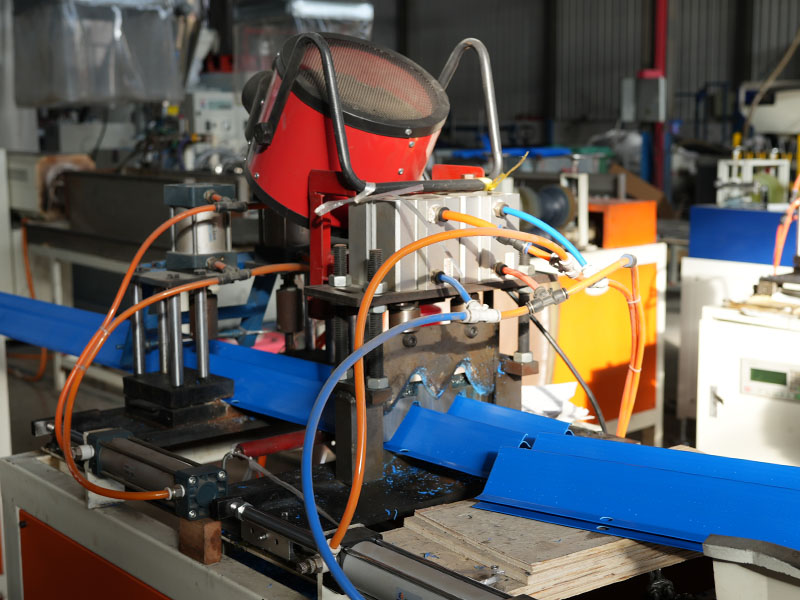
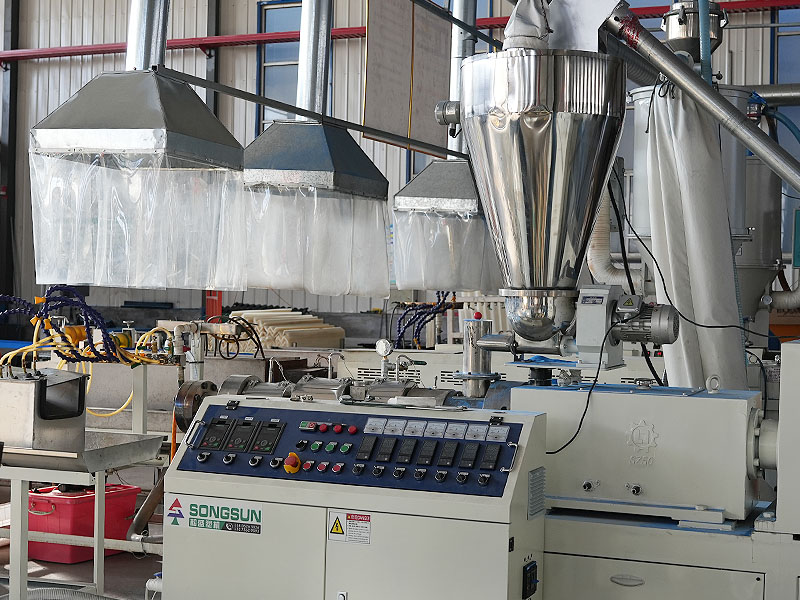
Hi friend, there is a cooling tower packing processing factory here, which has various specifications of cooling tower packing and can also be customized according to your requirements. Are you sure you don't want to come and take a look
Copyright © 2026.Company cooling tower fill factory All rights reserved.