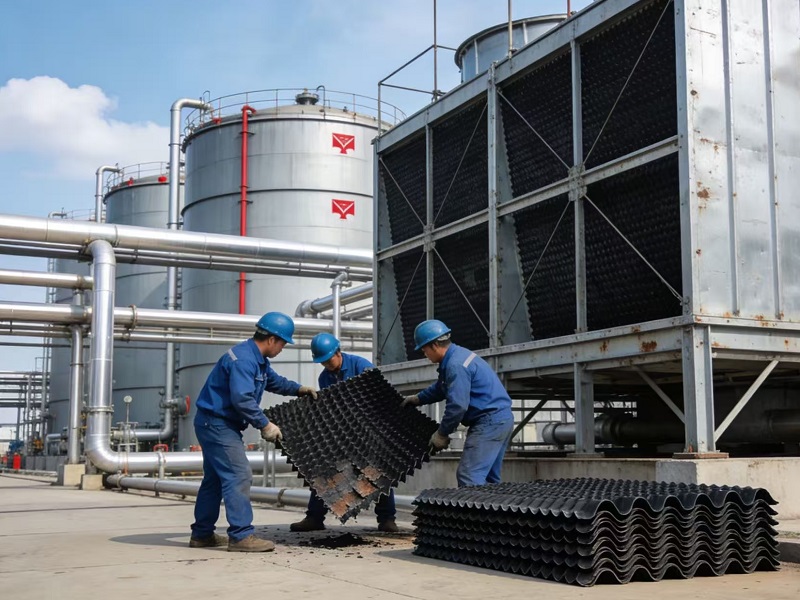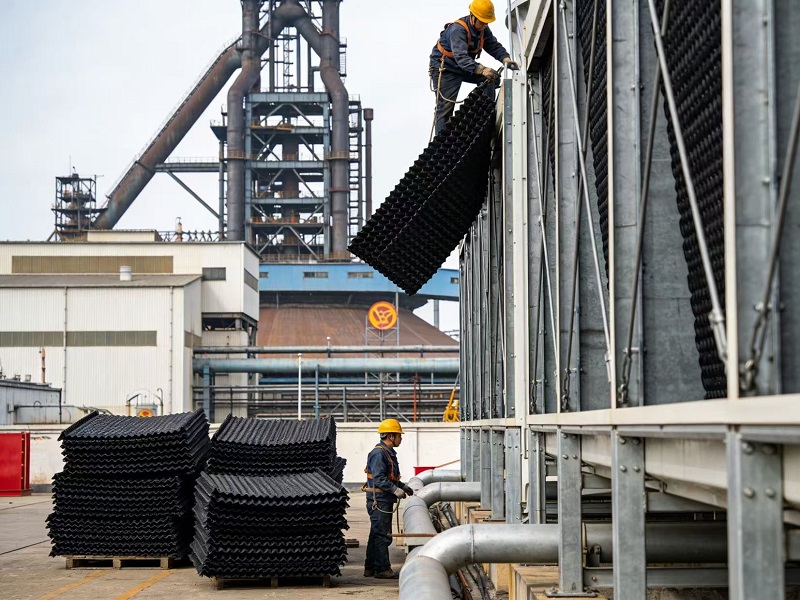
Cooling tower systems are designed to operate continuously for many years, but like any industrial equipment, internal components will gradually lose performance over time. Among these components, cooling tower fill media is one of the parts most affected by long-term operation.
Many cooling tower owners focus on the fan, motor, pump, and electrical system when maintenance problems occur. However, the condition of the fill media inside the tower is often overlooked, even though it directly affects heat exchange efficiency.
When the fill becomes aged, damaged, or blocked, the cooling tower may no longer achieve the original design performance. Problems such as higher outlet water temperature, increased energy consumption, and unstable operation may gradually appear.
Understanding the common problems caused by aging cooling tower fill can help engineers identify issues earlier and make better maintenance decisions.
Cooling tower fill media works in a difficult environment. It is exposed to continuous water flow, airflow, temperature changes, and chemical conditions.
Over years of operation, several factors can affect the performance of the fill:
Even high-quality cooling tower fill media requires proper operation and maintenance to achieve a longer service period.
One of the most common signs of aging fill media is reduced cooling efficiency.
The main purpose of fill media is to increase the contact area between water and air. When the fill surface becomes damaged or covered with deposits, water cannot spread evenly, and heat transfer efficiency decreases.
Typical symptoms include:
In many cases, the cooling tower fan and pump may still be working normally, but the aging fill media prevents the system from achieving effective heat exchange.
Blockage is another common issue in cooling tower operation.
During long-term operation, suspended particles, minerals, algae, and other materials may accumulate on the surface of the fill.
This can reduce the open area inside the fill structure and affect airflow and water distribution.
Film fill designs provide excellent heat transfer performance, but they require suitable water conditions. In applications with heavy contamination, engineers may need to consider different fill structures.
Cooling tower fill media can gradually deform due to unsuitable operating conditions.
Common causes include:
When the fill structure becomes deformed, the airflow channels may change. This can reduce the balance between air resistance and heat transfer performance.
PVC cooling tower fill is widely used in many applications. Under normal conditions, it can provide stable performance.
However, if the operating temperature exceeds the suitable range or the environment contains aggressive chemicals, PVC material may gradually lose mechanical stability.
PP cooling tower fill generally provides better temperature resistance and chemical stability for demanding applications.
However, even PP materials require correct application conditions and regular inspection to maintain long-term performance.
A cooling tower depends on uniform water distribution to achieve effective cooling.
When fill media becomes damaged or blocked, water may not spread evenly through the fill area.
This can create:
A properly designed tower fill system should maintain stable water distribution throughout the cooling process.
Cooling tower performance depends on the relationship between airflow and water flow.
When fill media becomes blocked or airflow resistance increases, the fan may need to work harder to maintain airflow.
This can lead to:
For large industrial cooling towers, even a small decrease in efficiency can create significant energy costs over time.
Aging cooling tower components may also affect water control performance.
When the internal structure of the tower is not working properly, more water droplets may escape with the exhaust air.
This increases water consumption and may create environmental concerns.
During cooling tower maintenance projects, engineers often inspect the fill media together with the Water Collector to improve water retention performance.
Regular inspection is important because fill problems usually develop gradually.
Engineers can check for:
Operational data can also indicate fill problems.
Important parameters include:
When problems are discovered, engineers usually consider two options: cleaning the existing fill or replacing it completely.
Cleaning may be considered when:
Replacement may be more practical when:
For replacement projects, selecting the correct cooling tower packing is important to avoid repeating the same problems.
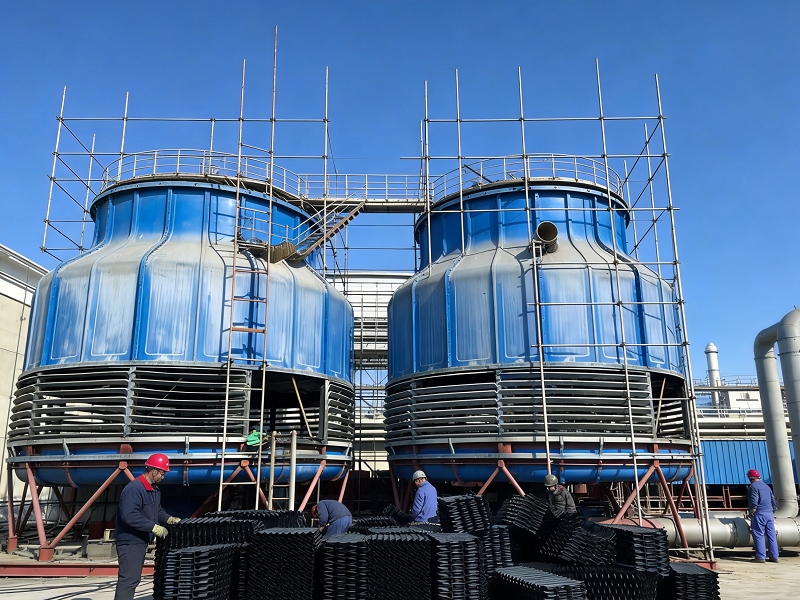
Many industrial companies choose retrofit projects instead of replacing complete cooling towers.
A typical cooling tower retrofit may include:
The airflow condition of a cooling tower has a direct influence on heat exchange.
A damaged or blocked Air intake grille can reduce the amount of air entering the tower.
During retrofit projects, checking air intake conditions together with fill replacement can help improve overall system performance.
Power plants usually operate cooling systems continuously, so fill performance is critical.
Maintenance teams often use regular inspections and performance monitoring to identify aging problems before serious efficiency losses occur.
Chemical industries need to pay special attention to material compatibility because water conditions can be more complex.
Selecting suitable materials such as PP can help improve reliability in demanding environments.
Commercial HVAC systems usually focus on stable operation and convenient maintenance.
Regular cleaning and inspection can help extend the service period of cooling tower fill media.
In Southeast Asia and the Middle East, many industrial users are focusing more on cooling tower maintenance and efficiency improvement.
Because many systems operate under high ambient temperatures, keeping the internal components in good condition is becoming increasingly important.
Replacing old Film Fill and improving other internal components can be an effective approach for upgrading existing cooling systems.
Cooling tower fill media plays a critical role in heat exchange performance. When fill becomes aged, blocked, or damaged, the entire cooling system may experience efficiency problems.
Regular inspection, proper maintenance, and timely replacement can help maintain stable cooling performance.
Before replacing old fill media, engineers should evaluate operating temperature, water quality, tower design, and maintenance requirements.
A suitable cooling tower fill solution is not only about improving current performance but also about supporting reliable operation in the future.
Precision design for efficient heat exchange. Improves cooling efficiency and reduces operating energy consumption.
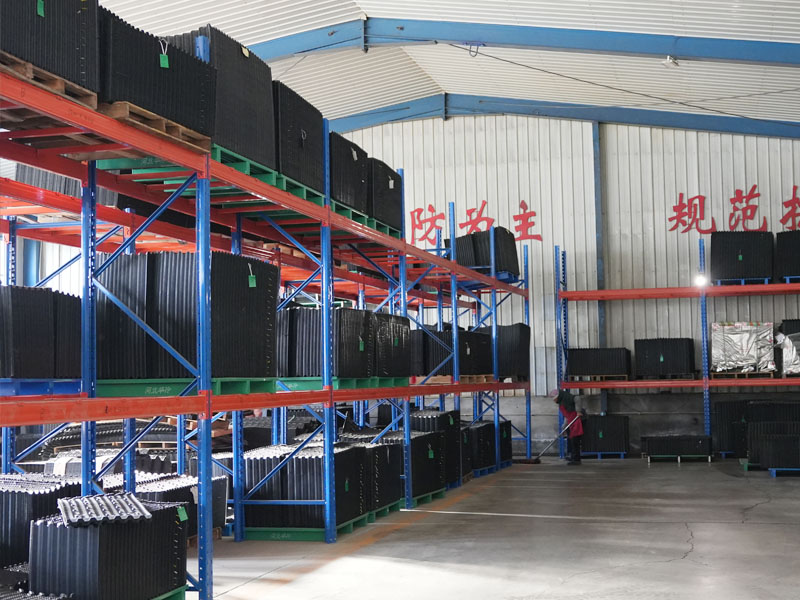
We have a large supermarket stock of cooling tower packing materials, with a variety of product specifications.
Provide customized cooling tower packing solutions to accurately match the needs of different brands of cooling tower projects.
Our experienced team provides comprehensive technical support to ensure timely and high-quality delivery of cooling tower packing orders.

The cooling tower fill from this supplier has significantly improved our system's efficiency. Installation was straightforward, and we've noticed a consistent temperature drop since switching to their product.
Plant Manager

Durability was our main concern, and this fill material has held up exceptionally well even in harsh conditions. It has reduced our maintenance cycles and downtime.
Operations Director

We needed a drop-in replacement for an older system. Their technical support helped us select the right fill, and the performance has exceeded our expectations.
Facilities Engineer

The fill blocks arrived well-packed and were easy to install. Our cooling tower now runs more quietly and with better heat dissipation.
Maintenance Supervisor

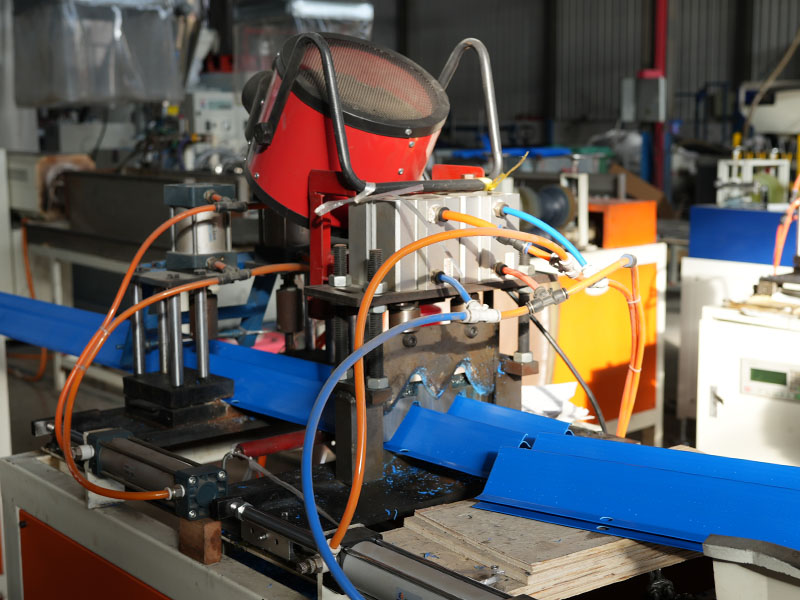
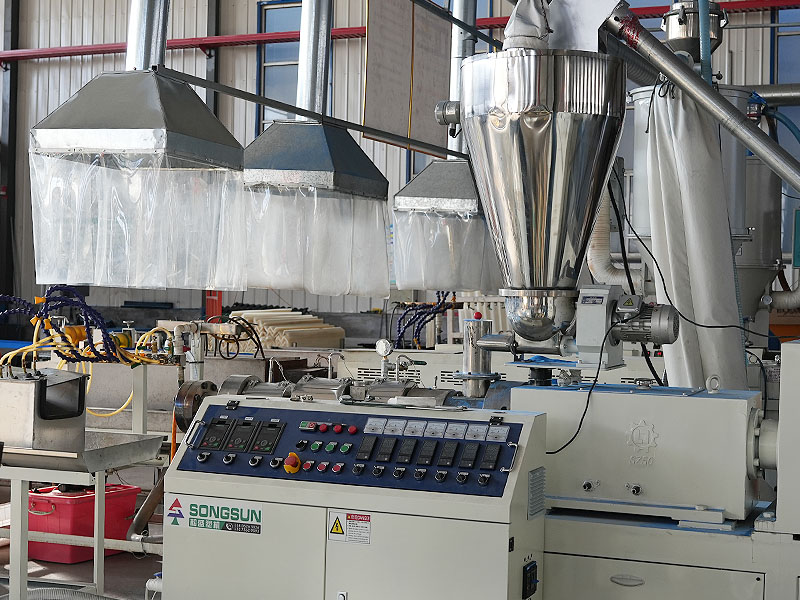
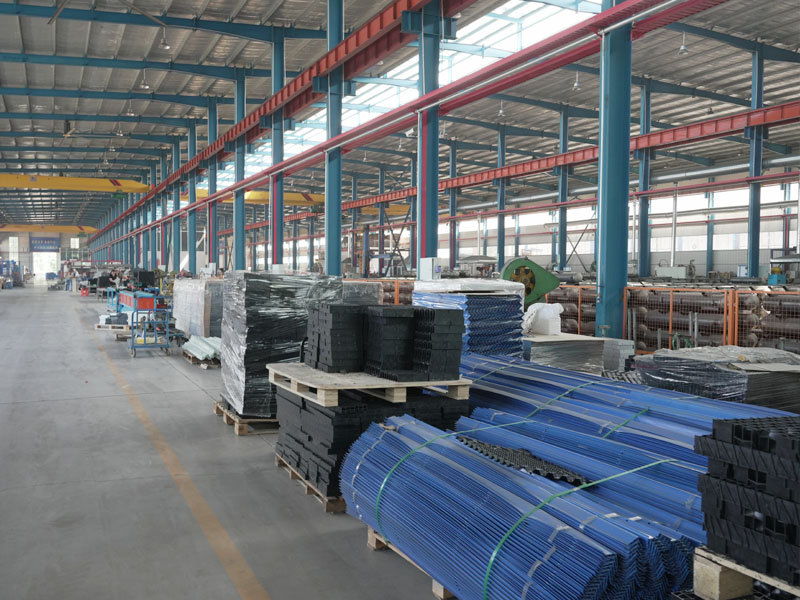
Hi friend, there is a cooling tower packing processing factory here, which has various specifications of cooling tower packing and can also be customized according to your requirements. Are you sure you don't want to come and take a look
Copyright © 2026.Company cooling tower fill factory All rights reserved.